



The Statement Maker: The Wide Belt
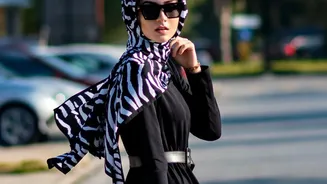
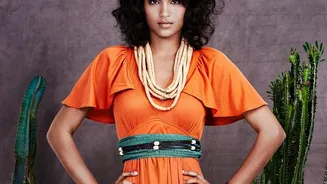
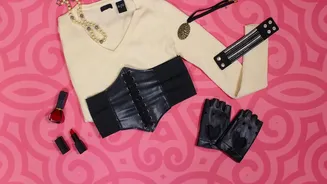
A wide belt, typically two inches or more, is designed to be a focal point. Its primary power lies in its ability to dramatically cinch your midsection, creating or enhancing an hourglass figure. This makes it a perfect companion for garments that lack
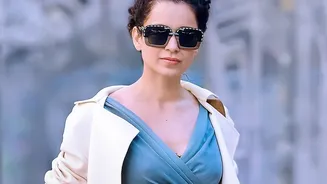
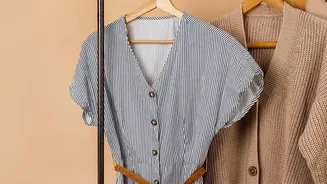
inherent shape. Think of pairing a wide belt with a loose-fitting shirt dress, a longline cardigan, or an oversized blazer to add instant structure and definition. By creating a strong horizontal line, a wide belt can bring a sense of order and power to an outfit, especially monochrome looks that need a point of visual contrast. However, proportion is crucial. For those with a shorter torso, a very wide belt can overwhelm the frame, making the upper body appear shorter. But for individuals with a long waist, a wide belt can create better balance and a more defined silhouette. It's a bold choice that works best when you want your accessory to do the talking.
The Quiet Achiever: The Narrow Belt
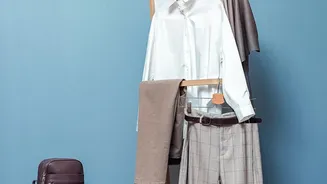
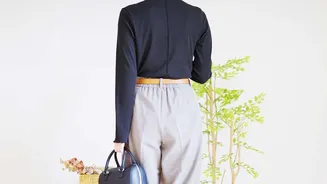
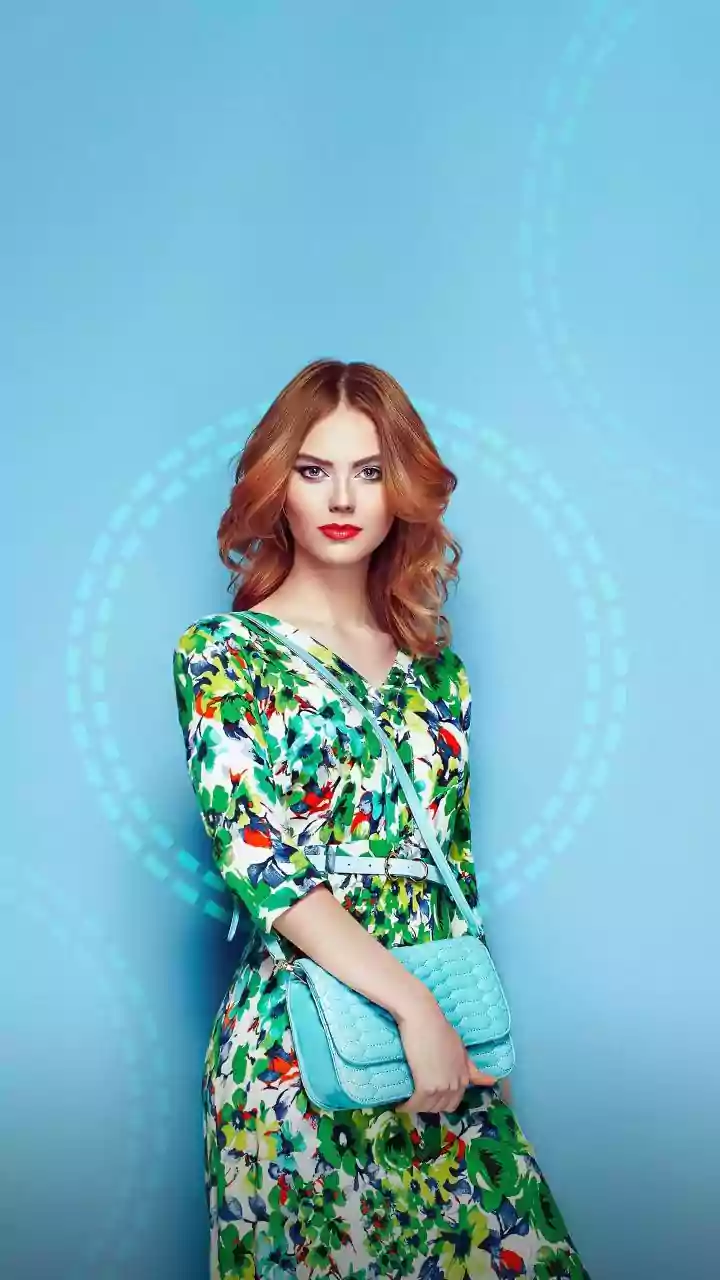
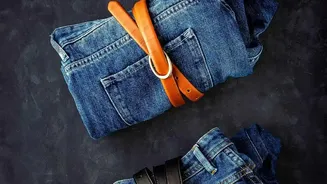
In contrast, the narrow belt—usually an inch wide or less—is an expert in subtlety. Its effect is less about transformation and more about refinement. A skinny belt adds a polished, thoughtful detail without breaking up the silhouette too dramatically. This makes it ideal for outfits that are already well-fitted, like a tailored sheath dress or high-waisted trousers paired with a tucked-in blouse. It can add a touch of elegance to business-casual attire and is often the best choice for threading through the standard belt loops on trousers and chinos. For those with a petite frame or a short waist, a narrow belt is an excellent choice as it provides definition without visually shortening the torso. It acknowledges the waistline with a whisper, not a shout, making it a versatile staple for adding a final, sophisticated touch.
How to Choose: Outfit, Occasion, and Proportions
Deciding between a wide and narrow belt often comes down to three factors: the garment, your body proportions, and the desired outcome. For heavier fabrics like denim or rugged workwear, a wider belt often feels more natural and proportional. For lightweight or formal attire, a slim belt provides a cleaner, more understated appearance. A practical first step is to always check the belt loops of your trousers or jeans; forcing a wide belt through small loops is never a good look. Beyond the loops, consider your body shape. While not a strict rule, those with an hourglass figure can highlight their curves with a medium to wide belt at the narrowest part of their waist. Those with a pear shape may find a slim or medium belt accentuates their slim waist effectively. For apple shapes, a wider belt worn just under the bustline can create a flattering empire waist. Ultimately, the goal is to create balance and an intentional look.
Modern Styling and Current Trends
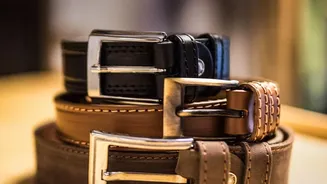
Fashion trends for 2026 show that belts are being used as a central feature of an outfit, not just an afterthought. Wide, structured belts are being worn over blazers and coats to create a powerful silhouette, while some designers are even layering thin belts over wider ones for a play on texture and contrast. Another emerging trend is the belt with an extra-long tail, which is knotted and left to hang down, adding a relaxed yet intentional detail to the look. Material also plays a role. While classic leather remains a timeless choice, belts with unique sculptural buckles, interesting textures like calf hair, or even fabric sashes are gaining popularity. The placement is also becoming more creative. While cinching at the natural waist is classic, positioning a belt lower on the hips can create a more relaxed, fashion-forward line, particularly with dresses. These trends encourage a more playful and deliberate approach to this versatile accessory.