


The Global Newcomer: Chia Seeds
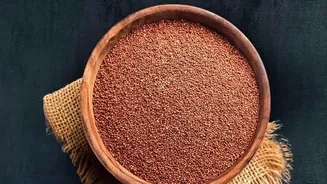
If you've scrolled through any health-focused social media feed, you've likely seen chia seeds. Originating from Mexico and Guatemala, where they were a staple for Aztec and Mayan civilisations, these tiny grey, black, and white seeds have become a global
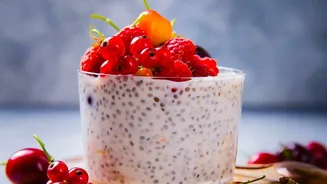
wellness sensation. Their popularity is well-deserved. Chia seeds are celebrated for their impressive nutritional profile, particularly their high content of alpha-linolenic acid (ALA), a plant-based omega-3 fatty acid crucial for heart and brain health. They are also an excellent source of protein, fibre, and minerals like calcium and magnesium, which support bone health. When soaked, chia seeds absorb liquid over time to form a thick, gelatinous texture, making them a perfect base for puddings or a thickening agent in smoothies and oatmeal. Their taste is virtually neutral, allowing them to blend seamlessly into any dish without altering the flavour.
The Local Hero: Sabja Seeds
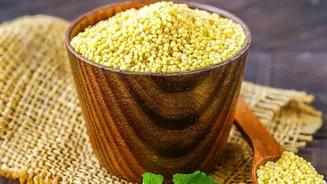
While chia may be a recent import, sabja seeds—also known as sweet basil seeds or tukmaria—are a familiar face in Indian households. Native to India and Southeast Asia, these uniformly black seeds come from the sweet basil plant, a cousin of the holy basil (Tulsi). For generations, sabja has been a key ingredient in traditional cooling drinks like falooda, sharbat, and nimbu pani, prized in Ayurveda for its ability to reduce body heat. Unlike chia, sabja seeds must be soaked before consumption, but they swell up within minutes, developing a soft, translucent gel coating around a crunchy centre. Nutritionally, sabja seeds are a fantastic source of dietary fibre, which aids digestion and promotes a feeling of fullness. They also offer a notable amount of iron, a mineral particularly important in many Indian diets.
A Head-to-Head Comparison
Though they may look similar at a glance, chia and sabja have distinct differences. Chia seeds hold the title for omega-3 content, offering significantly more than sabja. They also provide more protein and calcium per serving. On the other hand, sabja seeds generally contain more fibre and are a richer source of iron. From a practical standpoint, sabja is the faster option, ready to use in about 10-15 minutes of soaking, while chia needs at least 30 minutes or even an overnight soak to fully gel. This quick preparation makes sabja ideal for last-minute additions to drinks. Cost and accessibility also play a role; as a locally grown product, sabja is typically much more affordable and widely available in India compared to the imported and often pricier chia seeds.
Reinventing The Morning Meal
The rise of these seeds coincides with a broader trend of experimentation in the Indian kitchen, especially at breakfast. Hectic urban schedules have created a demand for meals that are both quick and nutritious. This is where chia and sabja shine. Both are being incorporated into modern breakfast staples like overnight oats, smoothies, and yoghurt bowls. The trend is not about replacing traditional dishes like upma or idli, but augmenting them. Some home cooks are even sprinkling soaked seeds over poha or adding them to dosa batter for an extra nutritional kick. Chia puddings, layered with fruits and nuts, have become a go-to make-ahead breakfast, while sabja seeds are finding their way into breakfast-friendly versions of lassi and fruit juices, offering hydration and fibre to start the day.