




The Quest for a Complete Plant Protein
For years, whey protein has been the undisputed king of the post-workout shake, largely due to its status as a 'complete protein'. This means it contains all nine essential amino acids our bodies can't produce on their own and need for muscle repair and growth.
Many individual plant-based proteins, while excellent in their own right, are often considered 'incomplete' because they are low in one or two of these essential amino acids. This has historically been a challenge for vegan athletes or those with dairy sensitivities who need an effective alternative to support their training goals.
A Powerful Partnership: The Science of the Blend
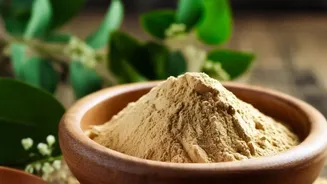
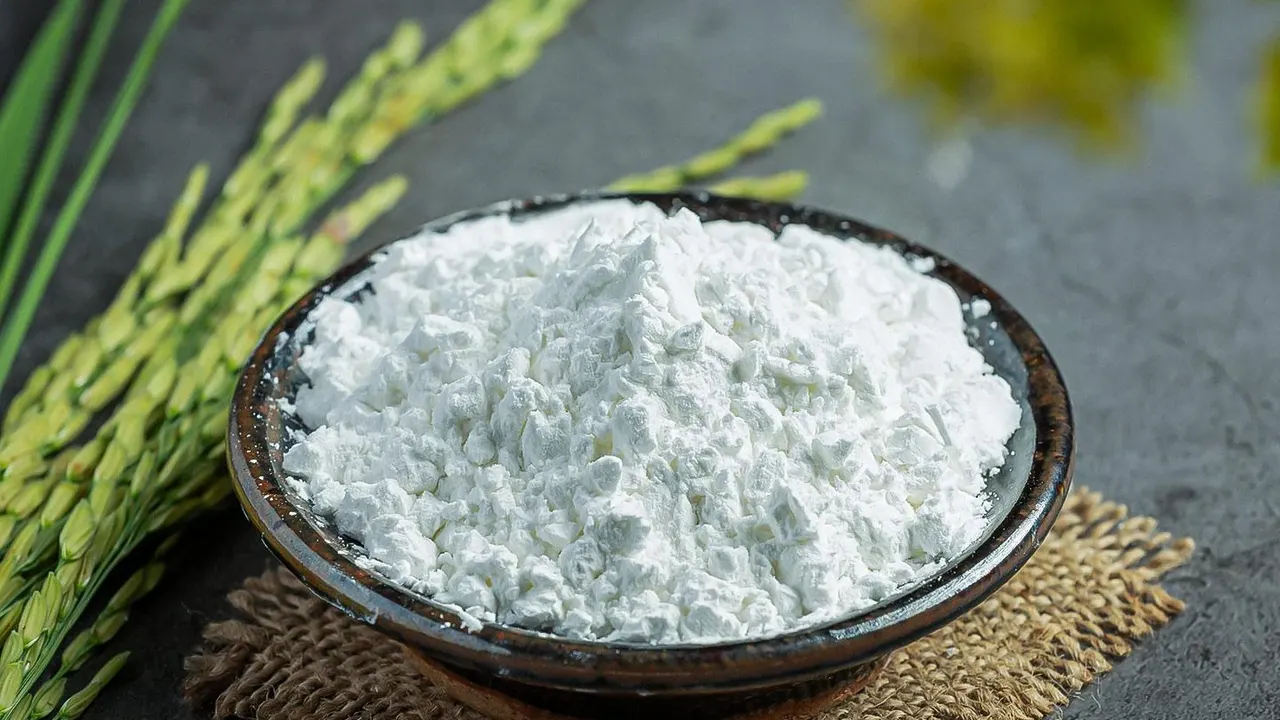
This is where the genius of combining pea and rice protein comes in. The two work together in perfect synergy to fill each other’s nutritional gaps. Pea protein is naturally rich in the essential amino acid lysine, but it's low in methionine. Conversely, brown rice protein is low in lysine but high in methionine. When you blend them, you create a powder with a robust and complete amino acid profile that rivals animal-based proteins like whey. This clever combination ensures your body gets all the crucial building blocks it needs for effective muscle synthesis and recovery after exercise.
More Than Just Muscle: The Full-Body Benefits
The appeal of a pea and rice protein blend goes far beyond its amino acid profile. One of its most significant advantages is that it's hypoallergenic. It's naturally free from dairy, soy, and gluten, making it an excellent choice for individuals with common allergies or intolerances. Many people who experience digestive discomfort, gas, or bloating from whey protein find this plant-based combination much gentler on the stomach. With a significant portion of the Indian population estimated to have some level of lactose sensitivity, this gut-friendly aspect is a major draw.
How Does It Stack Up Against Whey?
The ultimate question for many fitness enthusiasts is whether this plant-based blend can truly compete with whey for building muscle. The science is encouraging. Some studies have shown that rice protein, when combined with resistance training, can be just as effective as whey protein in improving body composition and exercise performance. The combination of pea and rice also delivers a high concentration of Branched-Chain Amino Acids (BCAAs), which are particularly important for reducing muscle soreness and stimulating repair. While whey might be absorbed slightly faster, the blended plant protein provides a sustained release of nutrients that effectively supports muscle growth and recovery goals.
The Bigger Picture: An Inclusive and Sustainable Choice
The rise of this protein blend also reflects a broader shift in consumer consciousness in India. The plant-based protein market in the country is experiencing significant growth, with projections showing a compound annual growth rate of over 14% in the coming years. This trend is driven by an increasing awareness of health, a large vegetarian population, and a growing demand for sustainable and ethical food sources. Plant proteins generally have a lower environmental footprint than animal-derived proteins, appealing to a new generation of eco-conscious consumers. Brands are responding by launching innovative products, signalling that this is a long-term shift, not just a passing trend.