




What is the Zero Waste Challenge?
At its core, the Zero Waste Kitchen Challenge is a social media-driven movement encouraging participants to drastically reduce or eliminate food waste over a set period—be it a week, a month, or longer. The rules are simple but profound: buy only what
you need, use every part of your ingredients, and find creative ways to repurpose leftovers. It’s a gamified approach to sustainability that has resonated deeply with a generation eager to make a tangible impact. Unlike fleeting fads, this challenge taps into a deeper desire for mindful consumption, transforming the everyday act of cooking into a statement of environmental responsibility. Participants document their journey online, sharing everything from their 'trash jar' audits to stunning dishes made from scraps, creating a vibrant community of eco-conscious foodies.
More Than a Trend, It's a Mindset
For many young home cooks in India, this isn't just about winning a challenge; it's about adopting a new philosophy. The trend dovetails perfectly with a growing awareness of climate change and a rejection of hyper-consumerism. It also offers a modern twist on a timeless Indian value: the principle of not wasting food, something our grandparents have practised for generations. But what makes it different now is the element of style and community. Through beautifully curated Instagram posts and engaging YouTube videos, these cooks are making sustainability look cool and accessible. They are demonstrating that being resourceful doesn't mean compromising on flavour or aesthetics. Instead, it’s an opportunity to innovate, learn new skills, and connect with food on a more intimate level.
The Peel-to-Plate Philosophy
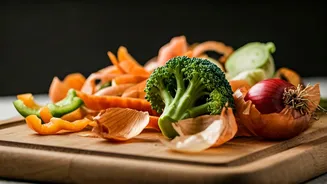
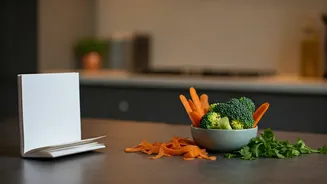
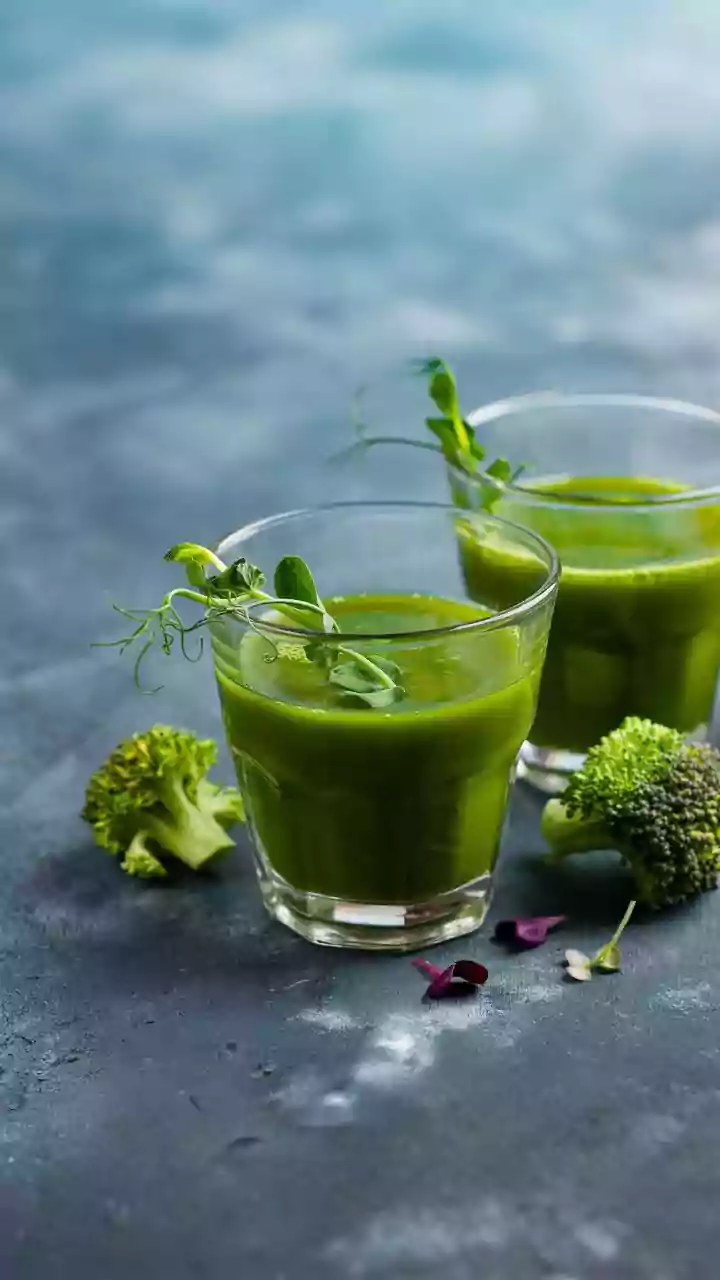
The most visible aspect of the challenge is the ingenious use of food scraps that would typically be binned. This 'peel-to-plate' or 'root-to-stem' approach is where creativity truly shines. For instance, potato and carrot peels are being tossed in olive oil and spices, then air-fried or baked to create crispy, addictive snacks. Tough cauliflower stems and broccoli stalks are blitzed into soups or finely chopped for stir-fries. The fragrant stems of coriander, often discarded, are ground into flavour-packed green chutneys and marinades. Even citrus peels are getting a second life; they’re used to infuse water and oils, candied for desserts, or fermented with jaggery to create natural, all-purpose cleaners known as bio-enzymes. It’s a masterclass in seeing potential in every part of a plant.
The Art of the Leftover 'Glow-Up'
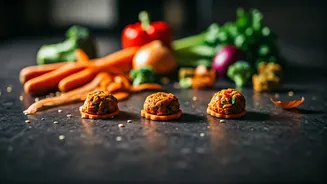
Let’s be honest: leftovers can be boring. But for zero-waste warriors, they are a blank canvas. The challenge has sparked a renaissance in repurposing last night's dinner. A small portion of leftover dal is kneaded into flour to make nutritious and flavourful parathas. That last bit of sabzi is mashed and used as a filling for grilled sandwiches or samosas. Stale bread, rather than being thrown out, is transformed into crunchy croutons for soup, baked into a savory bread upma, or blended into breadcrumbs. Day-old cooked rice is getting a makeover in fried rice, lemon rice, or crispy rice patties. This approach not only prevents waste but also saves time and money, making it a practical and rewarding habit to adopt long after the viral challenge ends.
Beyond the Bin: Mindful Shopping and Storage
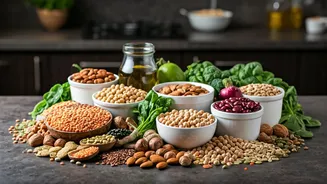
Mastering the zero-waste kitchen isn't just about cooking; it starts with consumption. The challenge encourages a more conscious approach to grocery shopping and storage. Participants plan their meals meticulously to avoid impulse buys that lead to waste. They favour local markets where produce is often sold loose, allowing them to buy the exact quantity they need without plastic packaging. At home, the focus shifts to proper storage to extend the life of ingredients. Glass jars replace single-use plastic bags, herbs are stored like flowers in a glass of water, and refrigerators are organised to ensure older items are used first. This holistic view—from market to meal to leftover—is what truly defines the zero-waste mindset and makes it a sustainable lifestyle, not just a temporary online trend.