



A Culinary Shift Beyond the Samosa
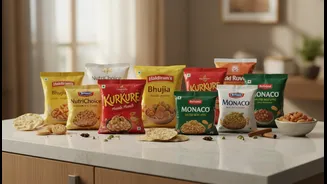
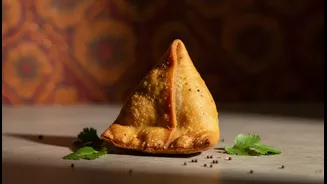
For decades, the global identity of Indian snacks was limited to a few household names like samosas and bhujia. While beloved, these hardly scratched the surface of India's vast snacking culture. Today, a significant shift is underway. The global market
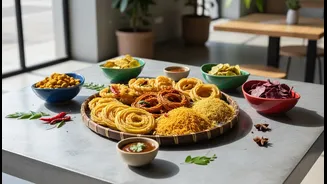
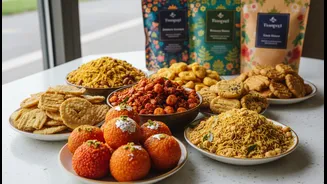
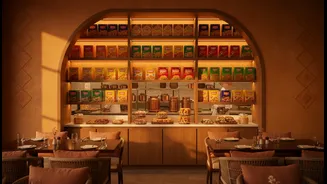
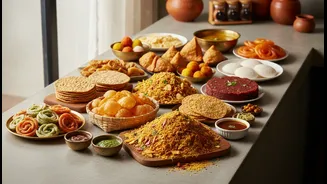
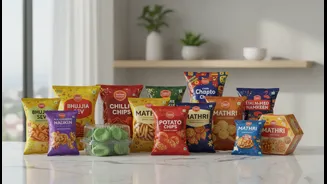
is no longer just getting a taste of 'Indian' food; it is discovering the unique flavours of specific regions. From the tangy thattai of Tamil Nadu to the hearty chakli of Maharashtra, regional specialties are becoming global delicacies. This evolution is driven by a growing appetite for authentic, ethnic foods and a new generation of Indian entrepreneurs who are mastering the art of branding and global logistics. The initial spark often comes from the Indian diaspora, a built-in customer base craving a taste of home. This group acts as a crucial launchpad, introducing their international friends and colleagues to the snacks they grew up with.
Meet the New Guard of Culinary Ambassadors
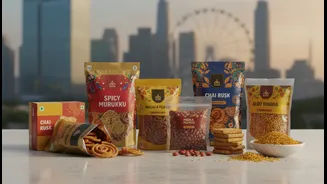
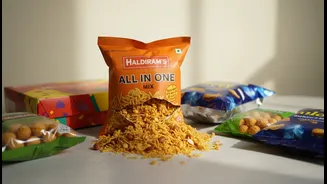
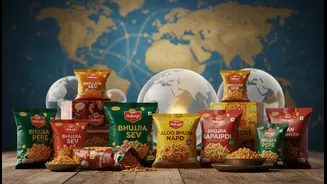
Legacy giants like Haldiram's and Bikaji paved the way, establishing a global footprint and proving the market's potential. Now, a new wave of direct-to-consumer (D2C) brands is building on that foundation, each with a unique regional story. Take Chennai-based Sweet Karam Koffee, which champions South Indian snacks and filter coffee, shipping to 32 countries. Their success comes from offering authentic products that are hard to find abroad, tapping directly into the nostalgia of the South Indian diaspora. Then there is Kerala-based Beyond Snack, which has elevated the humble banana chip into a premium snack, now available in 12 countries including the US and UK. These new-age brands differentiate themselves not just with regional authenticity, but also by focusing on quality ingredients—avoiding palm oil and preservatives—and creating a strong brand connection with customers online.
The Recipe for Global Success
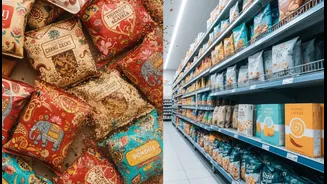
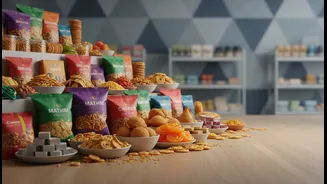
So, what is the secret sauce behind this global expansion? It's a combination of factors. First is the unwavering commitment to authenticity. Brands like Mirchi Bites emphasize that their snacks are made in their respective regions, ensuring a genuine culinary experience rather than a mass-produced imitation. Secondly, modern packaging and savvy digital marketing have been game-changers. Attractive, shelf-stable packaging competes visually with international giants in supermarkets, while a strong online presence allows brands to connect directly with consumers and tell their story. Finally, a robust supply chain is crucial. Whether it's Haldiram's opening a manufacturing plant in the UK or smaller D2C brands perfecting their international shipping, the ability to deliver fresh products efficiently is key to winning over a global audience.
From Niche Aisle to Mainstream Cart
The ultimate goal for these brands is to move from the ethnic foods aisle to the mainstream shopping cart, and the transition is already happening. Major retailers like Walmart are increasingly stocking these regional Indian snacks. India's snack exports have seen remarkable growth, reflecting this rising acceptance. This trend is not just about selling a product; it is a form of cultural diplomacy. By sharing the diverse and nuanced flavours of India's regions, these brands are challenging and expanding the world's perception of Indian cuisine. It's a powerful narrative of entrepreneurial spirit meeting cultural pride, creating a delicious new chapter in India's global story.