


Why Your Terrace Gets So Hot
The problem starts with the materials. Concrete, asphalt, and tiles are excellent at absorbing and storing solar radiation. This phenomenon, known as the urban heat island effect, makes cities and the buildings within them significantly warmer than surrounding
rural areas. Your terrace acts like a giant thermal battery, soaking up heat all day and slowly releasing it at night, which keeps the rooms below uncomfortably warm and drives up air conditioning costs. Without a barrier, direct sunlight relentlessly bakes the surface, making it too hot to even walk on, let alone enjoy.
The Green Umbrella: How Plants Cool Your Home
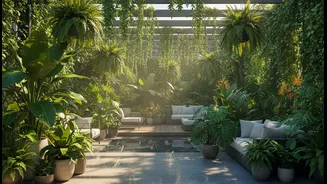
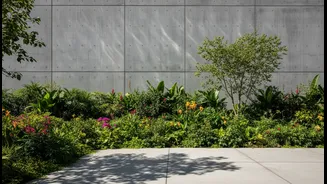
A green cooling plan uses plants as a living shield against the sun. This works in two primary ways: shading and evapotranspiration. Firstly, the leaves of plants physically block sunlight from hitting the concrete surface, preventing it from heating up in the first place. Secondly, through a process called evapotranspiration, plants release moisture into the air, which has a natural cooling effect, similar to how sweating cools our bodies. Studies have shown that a green roof can be significantly cooler than a conventional bare roof, leading to indoor temperatures dropping by as much as 3-5°C. This not only makes your home more comfortable but also reduces the load on your air conditioner, saving electricity.
Step 1: Planning Your Green Terrace
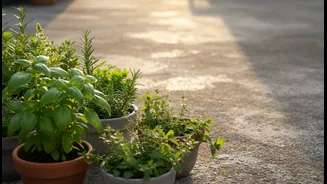
Before you start buying plants, a little planning goes a long way. First, assess your terrace's structural capacity. While simple container gardening is usually fine, a more extensive green roof requires checking if the structure can handle the weight of soil, plants, and water. Waterproofing is also critical; ensure your terrace surface is properly sealed to prevent leaks. Finally, observe the sunlight. Note which areas get full sun and which have partial shade throughout the day. This will determine which plants will thrive where. Starting small with a few pots is a great way to begin without feeling overwhelmed.
Step 2: Choosing Your Cooling Plants
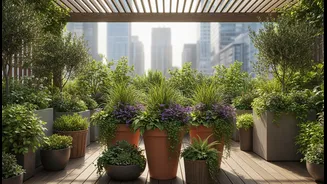
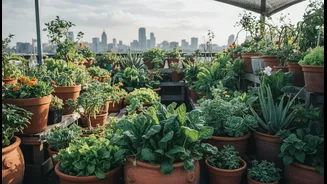
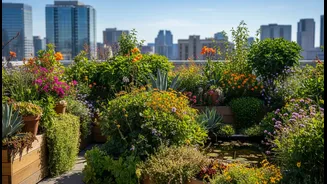
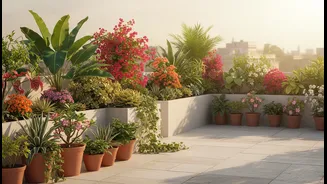
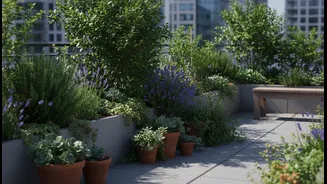
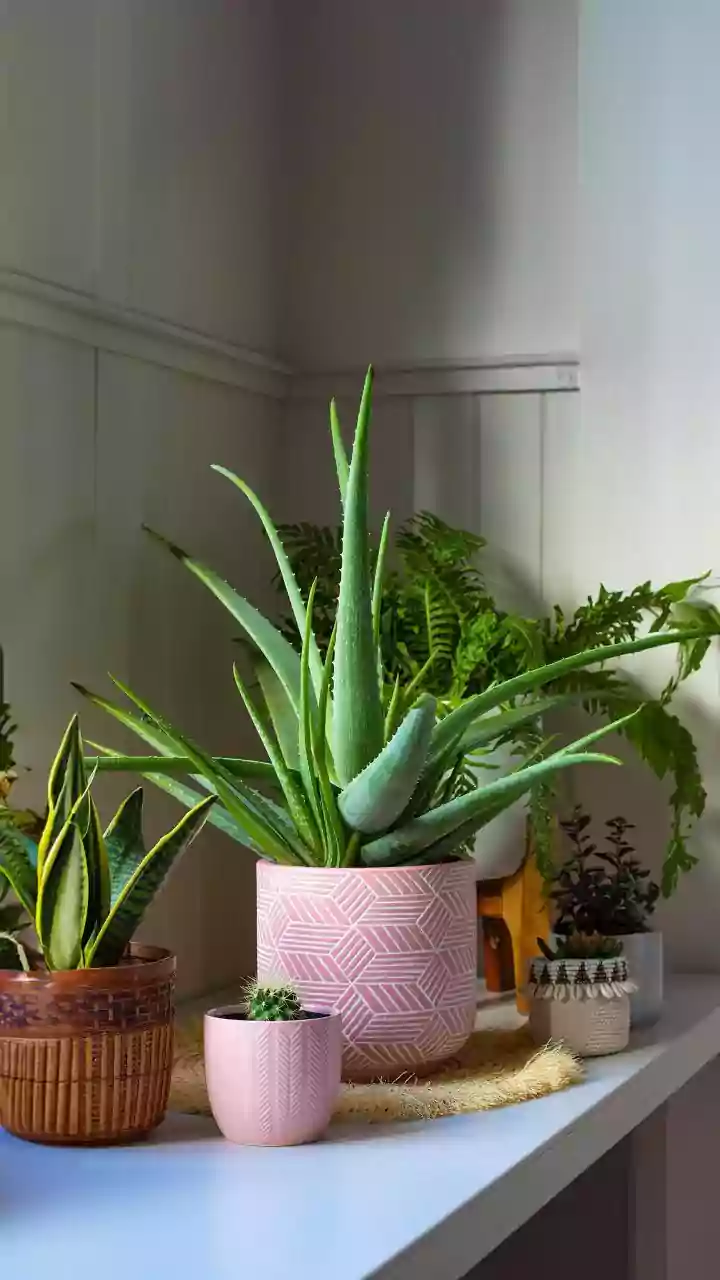
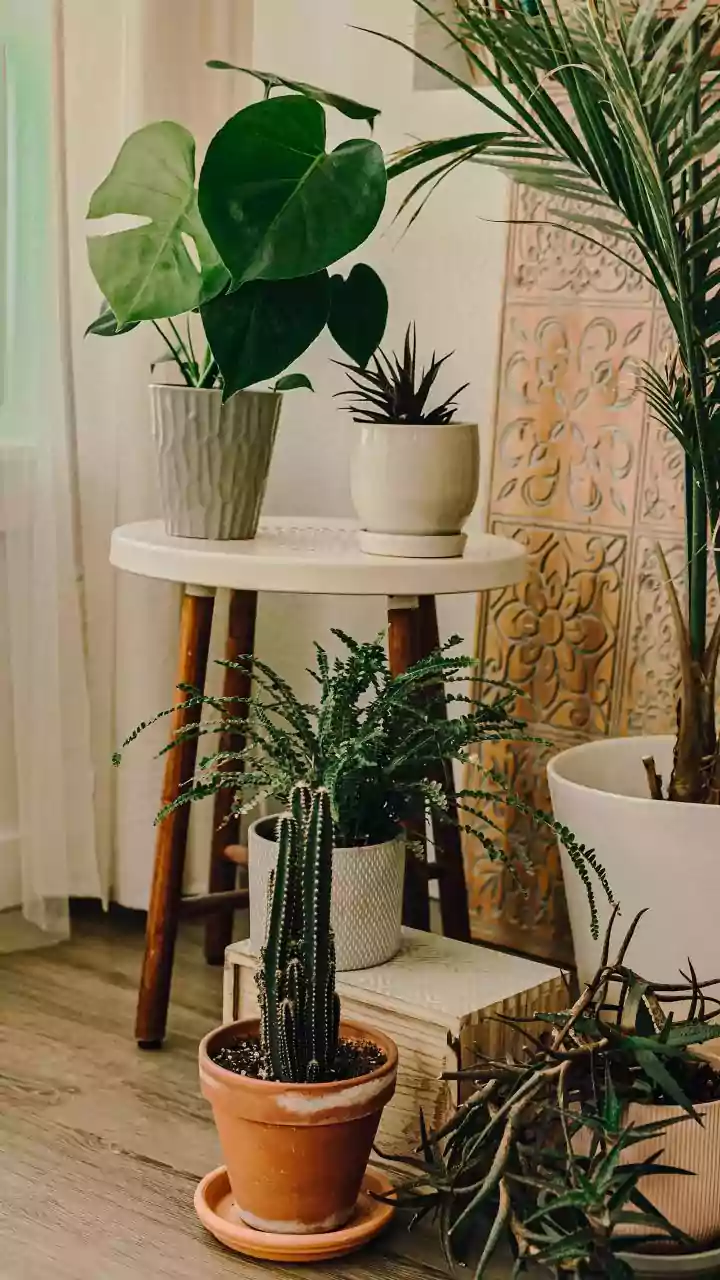
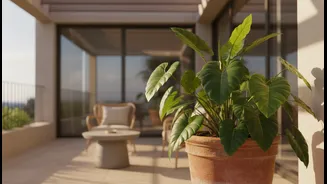
The right plants are key to a successful cooling plan. For intense Indian summers, choose hardy, heat-tolerant species. Bougainvillea, hibiscus, and marigolds thrive in full sun and add vibrant colour. Climbers and vines like the betel leaf plant or money plant can be trained on a trellis to create a vertical green wall, providing excellent shade. For ground cover, consider fast-growing creepers. To create a dense canopy, dwarf trees like neem or fruit trees like lemon and guava in large containers are effective. Plants like snake plant, areca palm, and ferns are also great choices for their air-purifying and cooling properties.
Step 3: Smart Soil and Watering
A successful terrace garden needs the right foundation. Use a lightweight potting mix, which often includes cocopeat or vermicompost, to avoid putting excess strain on your roof. This also helps with drainage and aeration. Efficient watering is crucial. A drip irrigation system is a fantastic investment, as it delivers water directly to the roots, minimizing waste through evaporation. If watering manually, do it in the early morning or late evening when temperatures are cooler. A thick layer of mulch on top of the soil in your pots will help retain moisture, keeping the roots cool and reducing the need for frequent watering.
Beyond the Plants: Other Cooling Aids
While plants are the star players, you can enhance the cooling effect with other elements. Installing a shade net is a cost-effective way to provide immediate relief for both you and your more delicate plants. Simple structures like a bamboo pergola can support climbing plants and create a beautiful, shaded seating area. You can also consider using light-coloured or reflective tiles on the parts of the terrace that aren't covered by plants. These surfaces reflect more sunlight than dark ones, further reducing heat absorption.