


What Exactly Is Patina?
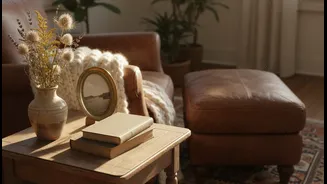
Patina is the soft, subtle sheen and texture that materials acquire as they age. It's the story of a life well-lived, written on a surface. Think of the warm, deep glow on an old wooden table, the gentle fade on a favourite leather armchair, or the beautiful
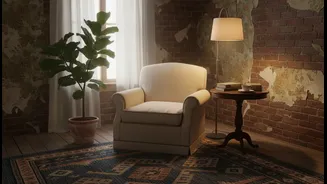
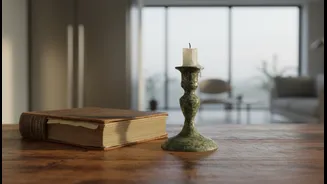
greenish hue that develops on copper and bronze over time. This natural transformation is caused by exposure to air, sunlight, and everyday use. It’s not dirt or damage, but rather a unique fingerprint left by time that adds depth and authenticity to an object. Designers treasure it because it infuses a space with a sense of history and personality that brand-new items often lack.
The Art of the Modern Mix
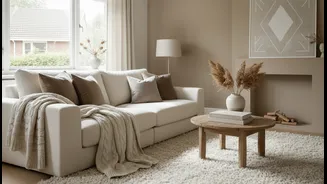
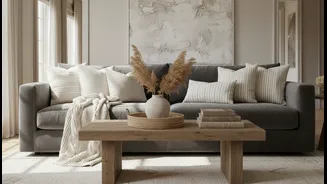
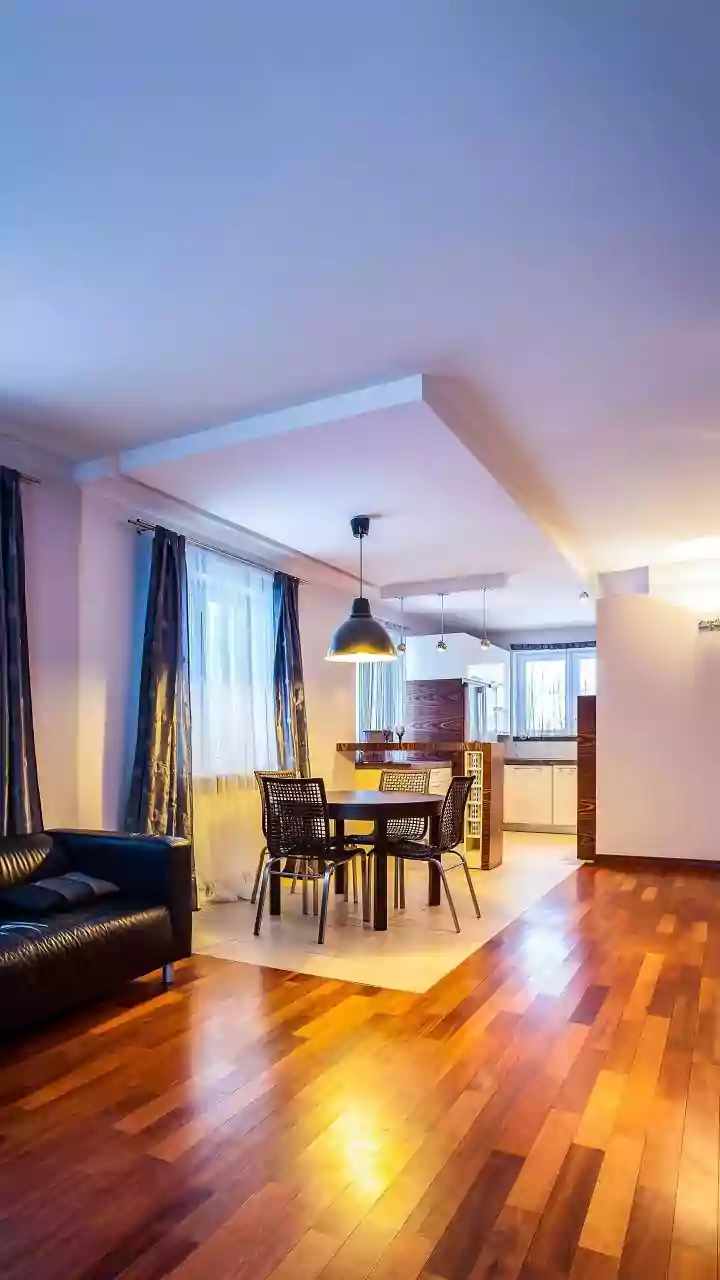
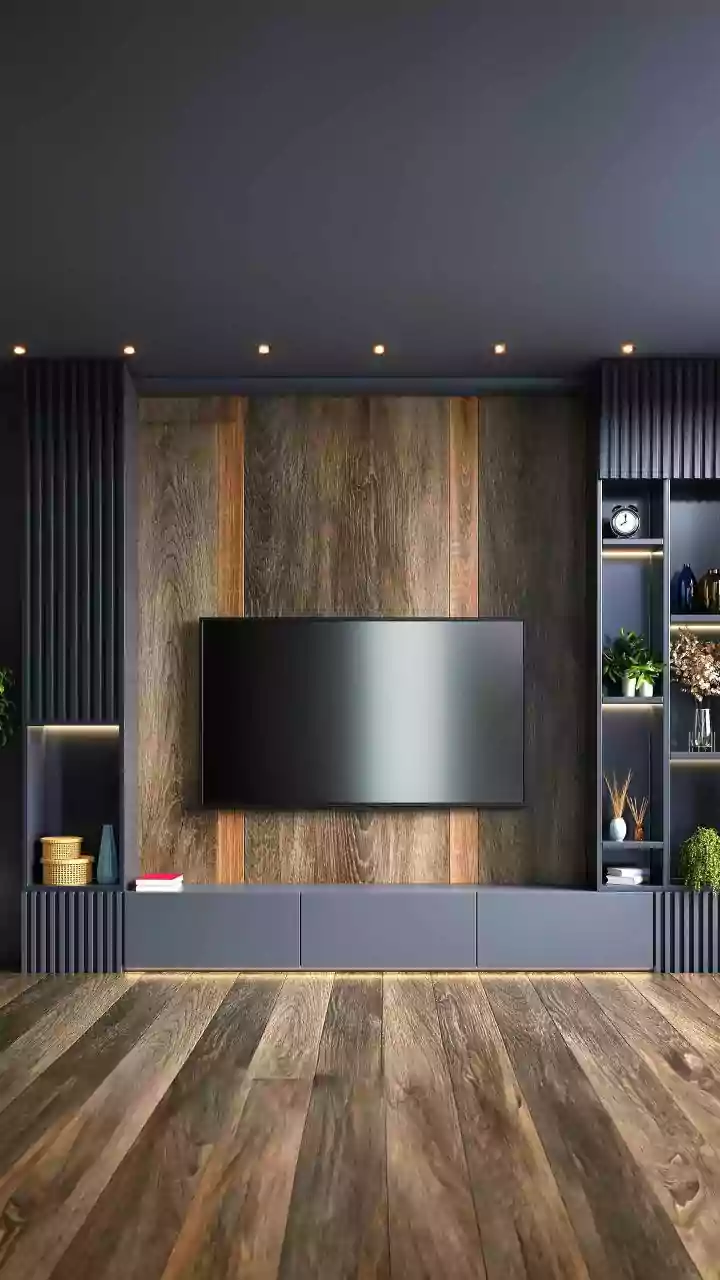
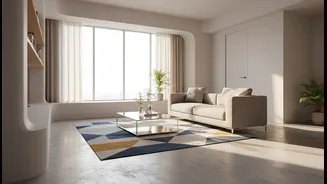
The key to using patina in a contemporary home is balance. The goal isn't to create a museum, but a space that feels curated and personal. The magic lies in the contrast between old and new. Pair a weathered, patinated wooden chest with a sleek, modern sofa and a crisp, minimalist lamp. The clean lines of the new pieces will make the character of the old one stand out, while the aged item will lend warmth and soul to the modern elements. To create a cohesive look, start with a neutral foundation, like white or grey walls, which allows both vintage and modern pieces to shine without competing.
A Symphony of Materials
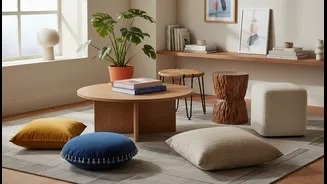
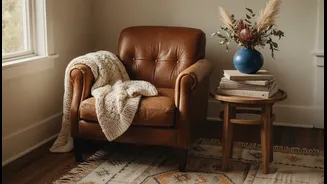
Patina appears differently on various materials, and each has its own charm. Wood often develops a richer, darker tone, with the grain becoming more pronounced in areas of frequent touch. Metals like brass and bronze evolve with golden sheens or a classic green 'verdigris' finish. Even leather softens and develops a unique pattern of wear that enhances its comfort and appeal. Don’t be afraid to mix these materials. A living room might feature a softly worn leather sofa, a patinated brass floor lamp, and a reclaimed wood coffee table. This layering of different aged textures creates a rich, inviting, and visually interesting environment.
How to Start Small
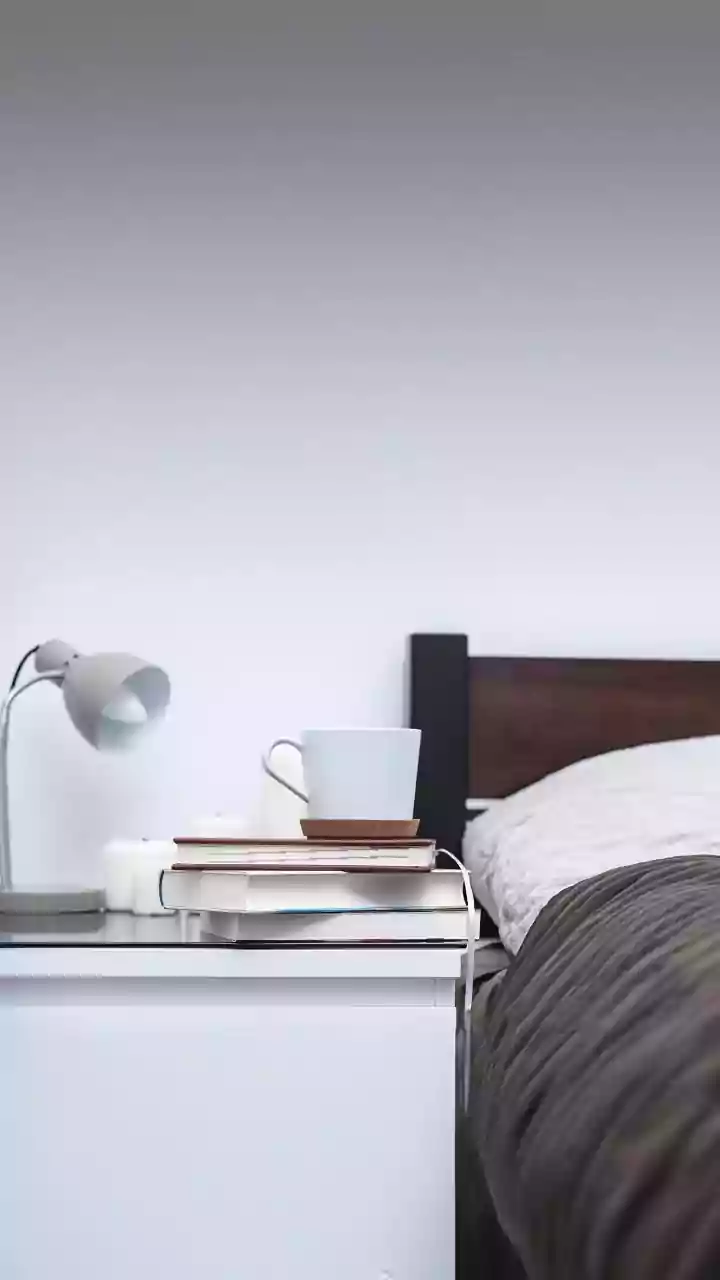
If you're hesitant to go all-in with a large antique furniture piece, start with smaller accents. It’s an easy way to experiment and add character without overwhelming your space. Look for vintage mirrors with slightly foxed glass, small brass bowls or trays, a stack of old hardcover books, or a single antique wooden chair used as a bedside table. These small touches can instantly make a room feel more lived-in and collected. Once you get comfortable with these smaller elements, you might feel more confident incorporating a larger statement piece.
Let There Be Light
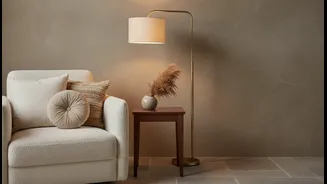
How you light a piece with patina can dramatically affect its impact. Natural light is often best, as it can highlight the subtle variations in an aged surface and bring out its warmth. For artificial lighting, consider using modern fixtures to create that stylish contrast we talked about. A contemporary table lamp on a vintage wooden console, or a modern pendant light hanging over an antique dining table, can bridge the gap between different eras. This blend of lighting styles ensures the room feels fresh and current, while still celebrating the history of its individual pieces.