





The Overture of the Monsoon
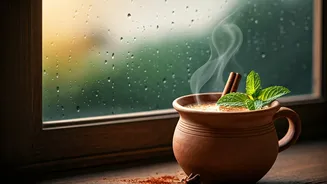
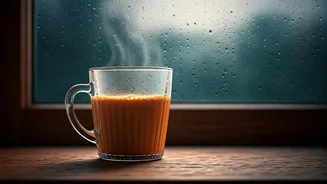
There are few things as universally celebrated in India as the arrival of the monsoon. It’s a sensory event. The petrichor—that earthy smell of rain on dry soil—is the opening note. The rhythmic drumming of water against windowpanes and rooftops follows.
This isn't just a change in weather; it's a shift in mood, a city-wide signal to slow down. The oppressive heat breaks, and a cool, damp breeze invites a moment of pause. In this shared moment of atmospheric magic, the craving for something warm, spiced, and comforting isn't just a preference; it feels like a necessity. It’s a tradition written not in books, but in the collective memory of generations who have watched the same skies open up.
The Ritual of the Brew
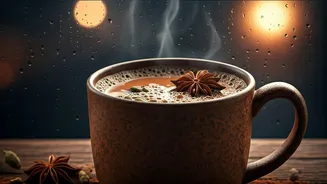
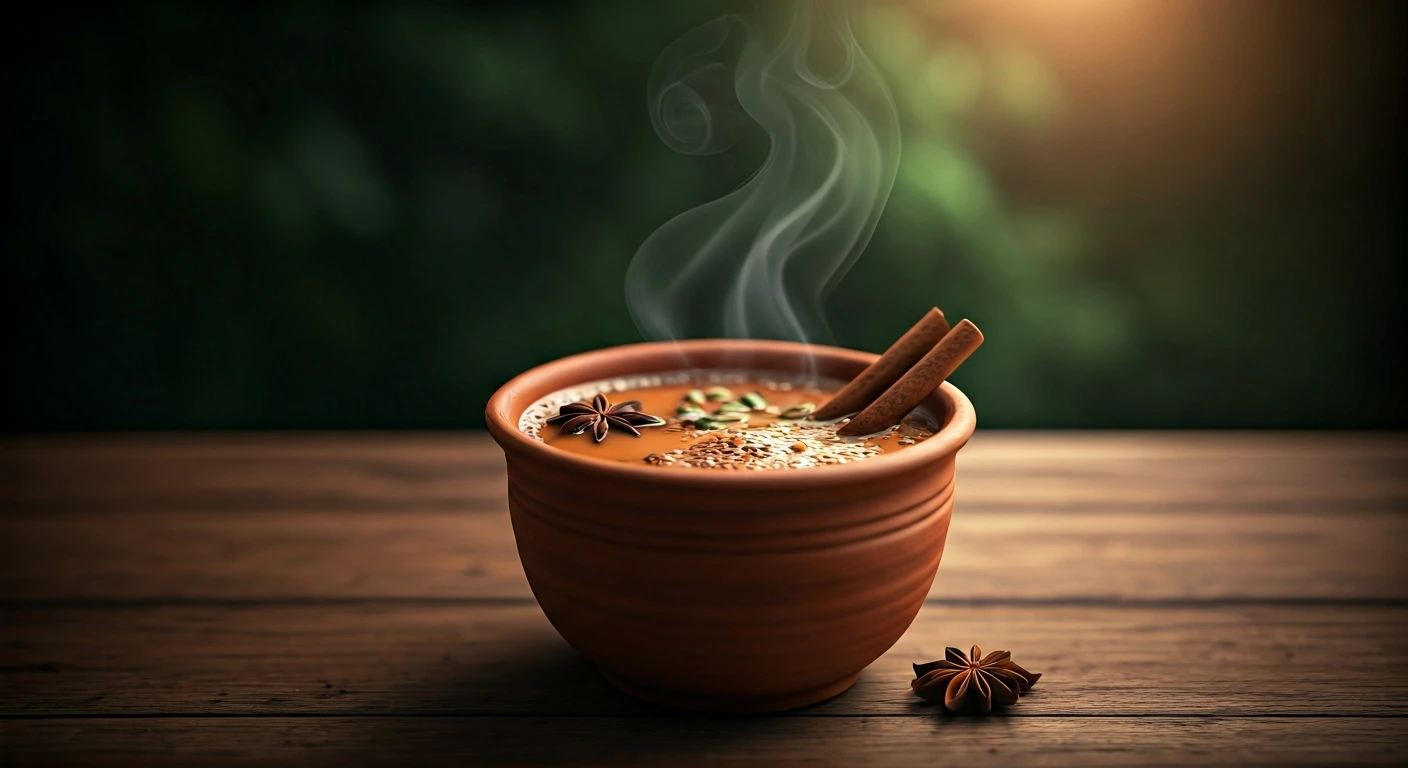
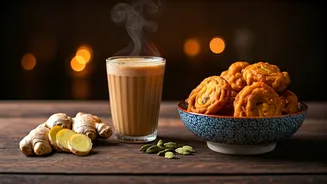
Making masala chai during a downpour is a ritual unto itself. It begins with the sound of a mortar and pestle, the sharp crack of a cardamom pod, the abrasive crush of peppercorns, and the fibrous tear of fresh ginger. Each ingredient is a promise of warmth. The spices hit the simmering water, releasing an aromatic cloud that fills the kitchen, warring with the damp air seeping in from the outside. Then comes the milk, turning the brew from a dark, mysterious concoction to a creamy, welcoming beige. As it bubbles up to the brim of the pot, threatening to spill over, the final act is a careful strain into a favourite cup or a simple cutting glass. This process isn't just about making a beverage; it’s an act of creation, a deliberate crafting of comfort against the gloom.
A Symphony for the Senses
So, why does this combination feel so perfect? It's a symphony of contrasts. The external world is cool, wet, and grey, while the chai in your hands is a pocket of warmth and vibrancy. The heat from the cup seeps into your palms, a direct counterpoint to the chill in the air. The taste itself is a complex dance: the sweetness of sugar, the creaminess of milk, the bite of ginger, the warmth of cinnamon and cloves, and the subtle fire of black pepper. These spices, many of which are known in Ayurveda for their warming properties, do more than just taste good—they create a sensation of internal heat and well-being. It’s a scientifically backed hug in a mug. The steam carrying the scent of cardamom and ginger provides a dose of aromatherapy, soothing the mind as the rain washes the world clean.
A Cup of Connection
Beyond the sensory experience, chai in the rain is a powerful social catalyst. It’s an excuse to gather. It’s the call for “pakoras!” that echoes in homes and office canteens. It’s the huddle under a shop awning, where strangers share a moment of solidarity over small, steaming glasses. In a world that often rushes, the rain provides a legitimate reason to stop, and chai provides the perfect companion for that pause. It’s a vessel for conversation, a silent partner in contemplation, and a bridge between solitude and community. This shared experience reinforces cultural bonds, reminding us of the simple, profound pleasures that connect us all, regardless of where we are.
The Essential Accompaniment
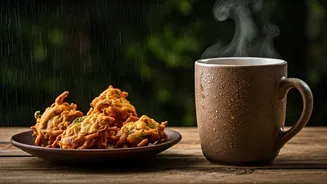
A perfect moment can always be made better. While the masala chai is the star, its supporting cast is just as crucial. The classic pairing is, of course, a plate of hot, crispy pakoras—be it onion, potato, or paneer—fresh from the frying pan and served with a tangy chutney. The crunch of the fried batter and the softness inside offer a textural contrast to the liquid warmth of the tea. For others, it might be a flaky samosa, a simple biscuit like Parle-G dunked until it’s on the verge of collapse, or a savoury mathri. This combination elevates the experience from a simple drink break to a mini-feast, a celebration of the weather and the comfort of home.