


The Enduring Appeal of a Simple Remedy
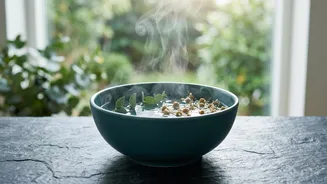
Across India, the practice of steam inhalation is deeply ingrained as a first response to the common cold and sinus congestion. The logic feels intuitive: inhaling warm, moist air seems to help loosen stubborn mucus, making it easier to breathe. The sensation
can be immediately soothing, providing temporary relief from the uncomfortable pressure in the head and nose. This feeling of immediate comfort is a primary reason why so many people turn to this simple, accessible home treatment before considering other options. Especially when herbs like eucalyptus or mint are added, the aromatic experience reinforces the belief that it is actively clearing the airways.
Myth vs. Reality: What Does Science Say?
Despite its popularity, scientific evidence supporting steam inhalation as an effective treatment is surprisingly weak. Multiple studies have found little to no proof that it speeds up recovery from the common cold or provides significant, lasting relief for chronic sinus symptoms. While some people report feeling better temporarily, research suggests this is more about subjective comfort than a true medical benefit. Theories that the heat kills cold viruses in the nasal passages remain unproven. A Cochrane review, which analyzes evidence from multiple studies, found the data on steam for the common cold to be equivocal and insufficient to recommend it for routine use. Some studies even noted that steam inhalation provides no more benefit than usual care.
The Overlooked Danger: Severe Scald Burns
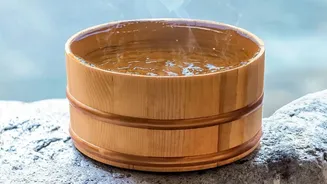
The most significant argument against the traditional bowl-and-towel method is the high risk of serious injury. Hospitals report treating a concerning number of patients, especially children, for severe scald burns after accidentally spilling the bowl of boiling water. These accidents can happen in an instant, often when a person is feeling unwell or when a child, who has limited motor skills, knocks over the container. The resulting injuries can be devastating, causing second-degree burns to the face, chest, and limbs that may require extensive treatment, including surgery and skin grafting, and can leave permanent scars. Doctors warn that these incidents, which are often physically and psychologically traumatic, have seen an increase, highlighting an urgent need for public awareness about this preventable danger.
Do Herbal Additives Actually Help?
Many people add substances like eucalyptus oil, mint, or other herbs to the water, believing they enhance the steam's effectiveness. Eucalyptus, for example, is known to have properties that may help loosen mucus. However, while these may create a stronger sensation of cleared passages, they do not change the fundamental lack of evidence for steam as a cure. Furthermore, these additions are not without risk. Essential oils can cause skin irritation or allergic reactions in some individuals, and there is concern that excessive inhalation could irritate the eyes. For children, in particular, using the whole herb is considered a safer alternative to concentrated essential oils, but the primary risk of scalding from the hot water remains.
Safer and More Effective Alternatives
Given the high risk and low evidence of benefit, medical experts recommend safer alternatives for managing sinus congestion. Nasal saline rinses or sprays, using a device like a Neti pot, have been shown in studies to be effective at flushing out mucus and improving symptoms without the danger of burns. Staying well-hydrated by drinking plenty of fluids like water helps thin mucus from the inside out, making it easier for the body to clear. Using a humidifier or a vaporizer adds moisture to the air in a room, which can soothe irritated nasal passages safely. Other simple measures include getting adequate rest to help your body fight infection, and using an over-the-counter decongestant spray or pain reliever after consulting a professional.