





A Window to the Ancient World
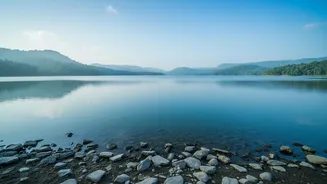
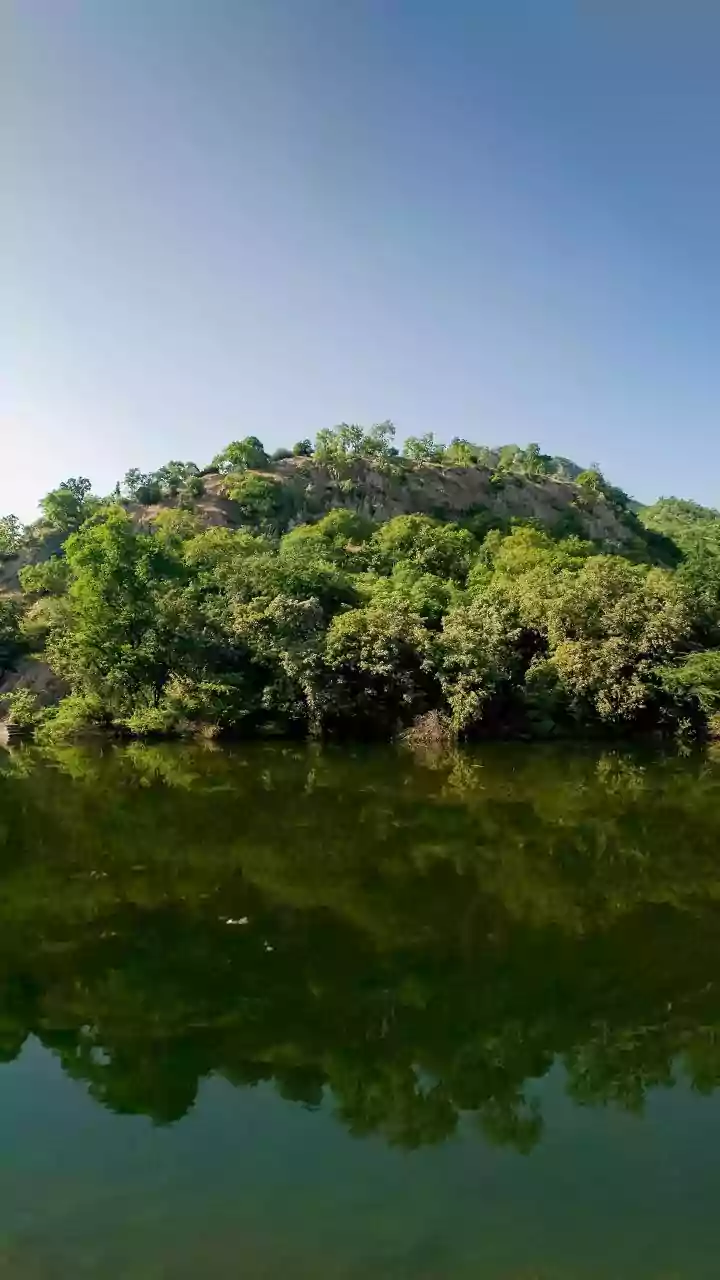
In the heart of Chhattisgarh’s Korba district lies Raja Rani Lake, an unassuming body of water that holds thousands of years of climate secrets. Scientists from the Birbal Sahni Institute of Palaeosciences (BSIP) in Lucknow recently drilled into the lakebed,
extracting a sediment core that acts as a natural archive. Layer by layer, the mud reveals the environmental history of the region, going back approximately 2,500 years. Trapped within these layers are microscopic pollen grains from plants that grew in the area centuries ago. This field of study, known as palynology, allows researchers to reconstruct ancient landscapes and, by extension, the climates that supported them. It is a form of natural history detective work, using biological clues to piece together a story that predates any written records or scientific instruments.
What the Ancient Pollen Revealed
The analysis of the Raja Rani Lake sediment core uncovered a fascinating period in India’s climate history. Between roughly 1060 and 1725 CE, a time known globally as the Medieval Climate Anomaly, central India experienced a significantly stronger and more intense summer monsoon than previously thought. The pollen record from this era is dominated by species found in dense, moist tropical deciduous forests. The abundance of this type of vegetation points to a consistently warm and humid climate with heavy rainfall, far more than what is typical for the region today. This finding is especially significant because Chhattisgarh is located in India's Core Monsoon Zone (CMZ), the area that receives the vast majority of the subcontinent's annual rainfall. The study shows a sustained period of powerful monsoons, driven by factors like La Niña-like conditions and increased solar activity.
The Short Memory of Modern Tech
This is where the headline's claim comes into focus. How can ancient mud be more valuable than a state-of-the-art weather station? The answer lies in the timescale. Modern meteorological instruments provide incredibly precise, real-time data on temperature, rainfall, and wind speed. However, most of this data only goes back a century or, at best, a little more. This is a mere snapshot in the Earth’s vast climate history. This limited timeframe makes it difficult to distinguish between short-term weather variability and truly long-term climate cycles. Our instrumental records don't have the memory to tell us what the monsoon was like 500 or 1,000 years ago, and whether current trends are truly unprecedented or part of a larger, natural cycle that plays out over centuries.
Pollen as a Long-Term Climate Proxy
Lake sediments, on the other hand, provide that missing long-term context. Each layer of sediment corresponds to a specific period, and the pollen trapped within it is a direct proxy for the vegetation that grew then. Since different plants thrive under different climatic conditions, a shift in pollen types indicates a shift in climate. For example, a landscape dominated by pollen from grasses and herbs suggests a drier, more open savannah-like environment. Conversely, a high concentration of pollen from large, forest-dwelling trees indicates a wetter climate capable of supporting a dense canopy. By reading these pollen signals through thousands of years of sediment layers, scientists can reconstruct long-term patterns of drought and heavy rainfall, giving them a baseline against which to measure today's changes.
Why This Ancient History Matters Now
Understanding that the Indian monsoon has been much stronger in the past has critical implications for the present and future. It provides invaluable data for refining the climate models used to predict future weather patterns. If the climate system is capable of producing such intense monsoons naturally, as the Chhattisgarh study shows, this information must be factored into future projections for agriculture, water management, and disaster preparedness. For a region so dependent on the monsoon, knowing the full range of its historical behaviour is crucial for building resilience in a changing world. The study doesn't suggest we abandon modern weather stations; rather, it highlights that to truly understand our climate, we need to combine the precision of modern technology with the deep historical perspective that only these natural archives can provide.