

Understanding the Monsoon Shift in National Parks
The arrival of the monsoon marks a significant change for India's national parks and wildlife sanctuaries. Following guidelines from the National Tiger Conservation Authority (NTCA), most parks close their core zones, typically from July 1 to September
30. The reasons for this are twofold: safety and conservation. The heavy rains can make the unpaved tracks in core areas slippery, flooded, and unsafe for safari vehicles. Secondly, the monsoon is a crucial breeding season for many animals, and closing the core areas allows wildlife to thrive without human disturbance while the forest regenerates. However, this doesn't mean all access is forbidden. Many of India's premier tiger reserves have a clever system involving core and buffer zones, which is the key to a successful monsoon safari.
Decoding Zone Calendars: Core vs. Buffer
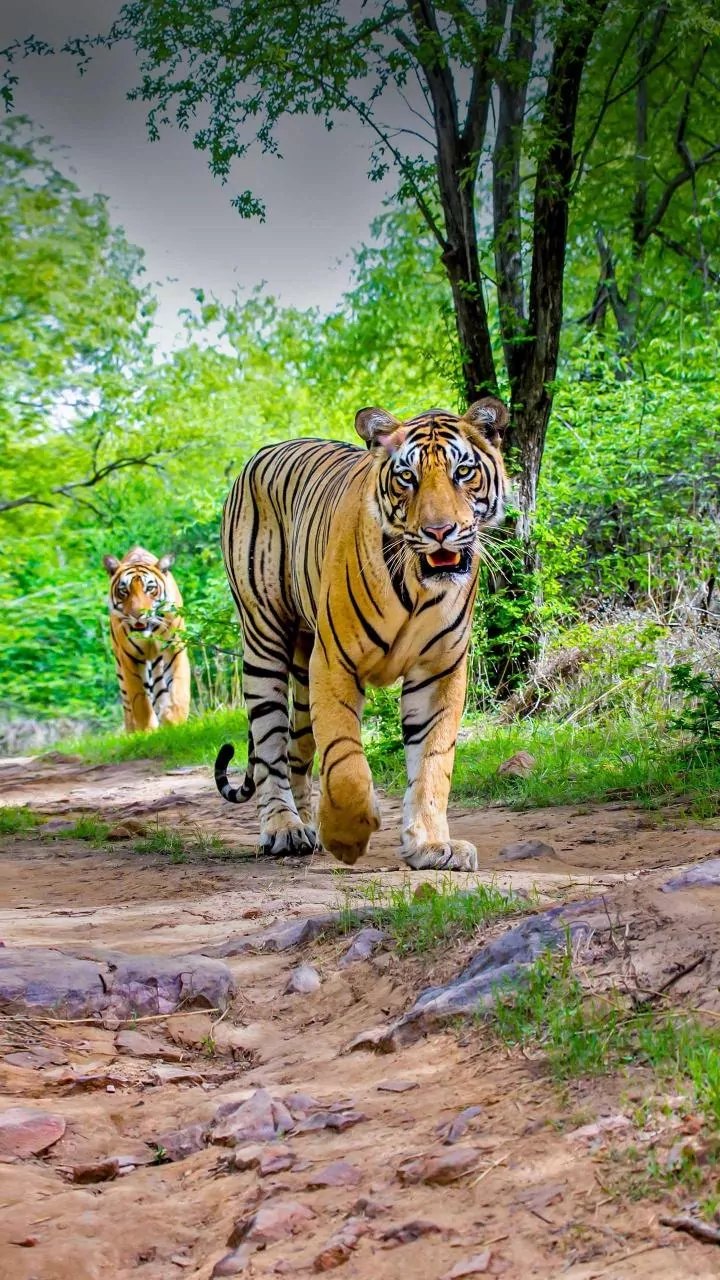
Think of a national park as a circle with a protected center. That center is the 'core zone'—the critical wildlife habitat with the highest density of animals, which is closed during the rains. The area surrounding it is the 'buffer zone'. These buffer zones often remain open for tourism year-round, including the monsoon months. For example, Ranthambore National Park closes its popular core zones 1-5 but keeps buffer zones 6-10 open for safaris. Similarly, Jim Corbett National Park closes its main Dhikala and Bijrani zones but allows access to buffer areas like Jhirna, Dhela, and Garjia. Many other reserves, including Tadoba, Pench, and Bandhavgarh, follow a similar model, offering safaris in their buffer areas. These 'zone calendars' are crucial for planning, allowing you to see which parts of a park are accessible.
How to Plan Using Zone Information
Planning a monsoon safari requires a little more research than in the dry season. The first step is to check the official website of the national park you intend to visit. These sites provide the most accurate and up-to-date information on which zones are open and the safari timings. Don't rely on old information, as dates and accessible zones can sometimes change. If the information isn't clear online, call the park's forest department office directly. Booking safaris for open buffer zones can often be done through the official park websites. Visiting these buffer zones offers a different, often more peaceful experience with fewer crowds and stunningly green landscapes.
Crafting a Smart Alternative Plan
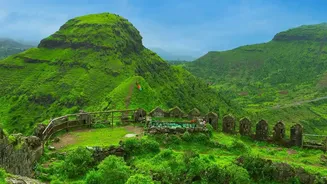
The monsoon is unpredictable. Heavy downpours can cause last-minute cancellations, landslides can block roads, and trails can become unsafe overnight. This is why having a solid 'Plan B' is non-negotiable. If you're planning a trek, identify a safer, lower-altitude alternative in the vicinity. For instance, if a high-risk Himalayan trail is closed, a well-marked fort trek like Sinhagad or Lohagad in Maharashtra might be a great backup. If your primary national park safari gets cancelled due to extreme weather, research nearby waterfalls, scenic drives, or cultural sites that are less weather-dependent. Your alternative plan should be just as well-researched as your primary one, with routes mapped and accommodation options noted.
Choosing Safer Monsoon Treks
Not all trekking trails are created equal in the monsoon. The safest options are typically well-marked, have gradual ascents, and avoid narrow gullies or major river crossings. Many treks in the Western Ghats, like Rajmachi and Mullayanagiri, are popular and considered relatively safe due to established paths. In the Himalayas, the Valley of Flowers in Uttarakhand is a classic monsoon trek because the flowers are in full bloom, and the trail is regulated. Conversely, trails with steep, technical climbs or those known for flash floods should be avoided. Always check with local authorities or experienced trekking groups about the current condition of your chosen trail before you set out.
Your Essential Monsoon Adventure Kit
Packing correctly is critical for a safe and comfortable monsoon trip. Your gear should focus on staying dry and maintaining grip. A good quality poncho is often better than a rain jacket as it can also cover your backpack. Pack quick-dry clothing and carry an extra set in a waterproof dry bag. Footwear is crucial; choose high-ankle trekking shoes with excellent grip, but avoid fully waterproof boots that don't allow sweat to escape, which can lead to skin issues. Other essentials include trekking poles for stability, insect repellent, a headlamp, a well-stocked first-aid kit, and a power bank for your devices.