






The Great Urban Squeeze
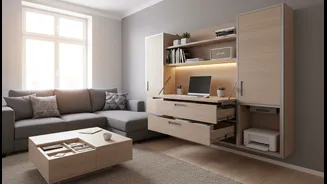
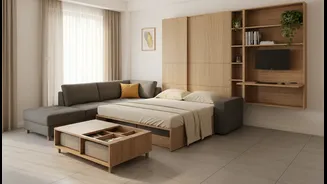
Across India’s bustling cities, from Mumbai to Bengaluru, the reality of modern living is that bedrooms are getting smaller. A typical bedroom in a new 2BHK flat can be as compact as 100 to 140 square feet. Into this space, we must fit our lives: a bed,
side tables, and often, a work desk. The result is often a feeling of being cramped and cluttered. Traditional, freestanding almirahs, while nostalgic, are often bulky and inefficient. They leave awkward, dust-collecting gaps above them and fail to use precious corner spaces, making a small room feel even smaller.
Beyond the Bulky Almirah
The problem with old-fashioned wardrobes isn't just their size, but their inflexibility. They offer a one-size-fits-all solution for a country with diverse storage needs. A wardrobe designed without considering the specific requirements of Indian clothing—like sarees that need to be hung long, heavy lehengas, or seasonal woollens—quickly becomes a disorganised mess. This is where the case for a smarter approach begins. The goal is no longer just to store clothes, but to reclaim floor space, create visual harmony, and design a storage system that works for you, not against you.
The Magic of Modular Wardrobes
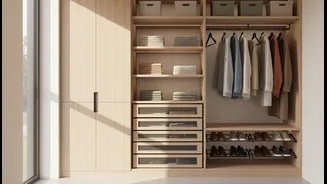
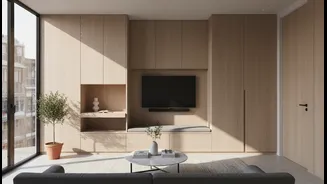
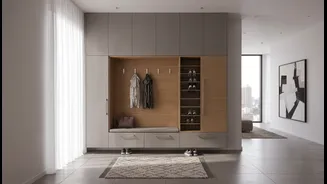
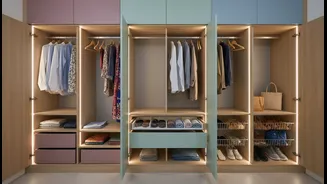
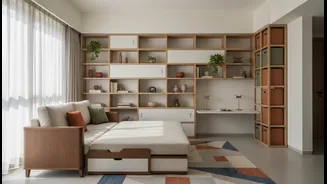
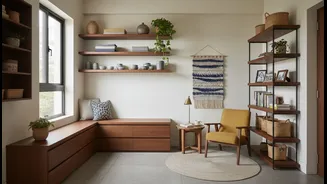
The modern answer to the space crunch is the modular wardrobe. Unlike a single, fixed piece of furniture, a modular wardrobe is a system of individual, prefabricated units that are assembled on-site. This allows for immense customisation. You can have a wardrobe built to the exact dimensions of your room, stretching from floor to ceiling and wall to wall, eliminating wasted space. Awkward L-shaped corners, which are often dead zones, can be transformed into highly functional storage. This approach is about maximising every available inch, creating a seamless, integrated look that makes the entire room feel more spacious and serene.
Smart Design for Indian Life
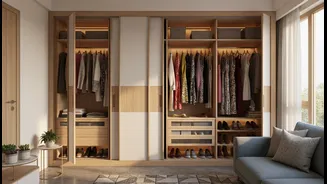
A wardrobe's true value lies in its interior organisation. A smart wardrobe is designed around your specific lifestyle. For Indian homes, this means dedicated sections for different types of clothing. Consider longer hanging spaces for sarees, kurtas, and dresses to prevent creasing. Include double-level hanging rods for shirts and blouses to maximise vertical space. Customisable drawers and pull-out trays can house everything from jewellery and accessories to innerwear. Upper loft cabinets, reaching the ceiling, are perfect for stowing away seasonal items like heavy quilts, festive wear, or luggage, keeping your main wardrobe space clutter-free for daily use.
Features That Maximise Space
Modern wardrobes come with clever features that enhance both functionality and aesthetics. Sliding doors are a game-changer for small rooms, as they don't require any clearance to open, unlike traditional hinged doors. This alone can free up significant floor space. Incorporating mirrors on wardrobe doors is another classic trick; it not only provides a dressing mirror but also reflects light and creates an illusion of a larger, brighter room. Finishes also matter. Lighter colours and glossy or lacquered surfaces can make the wardrobe feel less bulky and help open up the space visually.
An Investment in Better Living
While a custom modular wardrobe might have a higher initial cost compared to a ready-made or basic carpenter-built option, it's best viewed as a long-term investment. The factory-finished quality, durable hardware, and intelligent design mean fewer repairs and a longer lifespan. More importantly, it's an investment in your daily peace of mind. A well-organised space reduces stress, saves time when getting ready, and transforms a cramped room into a functional, calming retreat. In the context of a small Indian flat, that kind of value is hard to overstate.