

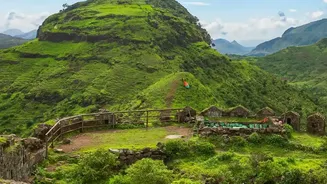
The Maharashtrian Marvel: Satara & Mahabaleshwar
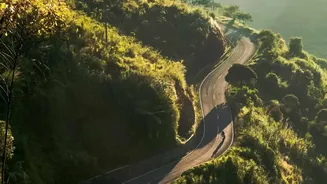
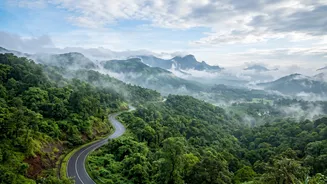
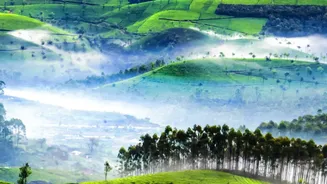
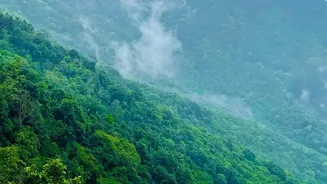
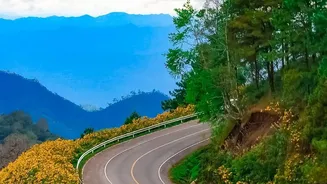
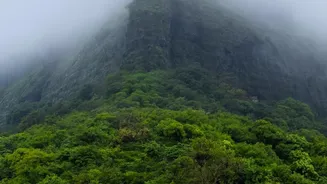
The neighbouring destinations of Satara and Mahabaleshwar in Maharashtra offer a quintessential post-monsoon experience, best enjoyed as a single, continuous road trip. The drive itself, especially on the ghat roads, is an attraction, with mist-filled
valleys and temporary waterfalls appearing at every turn. Roads are generally well-maintained, but it's wise to drive cautiously on the winding sections. This region is a feast for the eyes from September through November, after the heaviest rains have passed, leaving lush landscapes and full-flowing waterfalls.
Satara's Blooming Plateau and Waterfalls
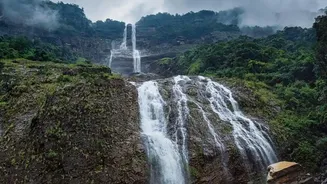
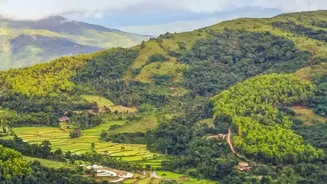
The primary draw for any post-monsoon trip to Satara is the Kaas Plateau, a UNESCO World Natural Heritage site. From late August to early October, this volcanic plateau transforms into a 'valley of flowers', carpeted with over 850 species of wildflowers in a stunning natural display. The bloom is short-lived, with the peak usually in September, so checking local conditions before you go is essential. Beyond Kaas, the region is dotted with powerful waterfalls that are at their peak after the rains. Don't miss Thoseghar Falls, a series of cascades including one that plunges from a height of around 500 metres. Vajrai Waterfall, one of India's tallest, is another spectacular sight nearby. Combine these natural wonders with a visit to the historic Sajjangad Fort for panoramic views of the surrounding green hills.
Mahabaleshwar's Misty Viewpoints
Just a short, scenic drive from Satara, Mahabaleshwar is the perfect next stop. Famous for its viewpoints and strawberry farms, the hill station is at its most atmospheric post-monsoon. While some viewpoints might be obscured by fog, driving through the clouds is an experience in itself. Head to Arthur's Seat, the 'Queen of all points', for a dramatic view of the Savitri Valley, or visit Elephant's Head Point for its unique rock formations. The Lingmala Waterfall, energised by the monsoon, is a must-see, cascading beautifully amidst the forest. For a more tranquil experience, a boat ride on the mist-covered Venna Lake offers a peaceful respite. The roads from Pune or Mumbai are generally smooth, making it a popular weekend getaway.
The Southern Jewel: Coorg, Karnataka
For those seeking a southern escape, Coorg (Kodagu) in Karnataka is a paradise after the rains. The landscape of rolling hills, dense coffee plantations, and spice gardens becomes incredibly vibrant and alive. The post-monsoon period, from September to December, offers the perfect balance of lush scenery and comfortable weather for driving and exploration. The most common route from Bengaluru is via Mysuru and is generally in good condition, though the final ghat sections require careful driving. The air is fresh, the rivers are full, and the entire district feels rejuvenated.
Coorg's Waterfalls and Panoramic Vistas
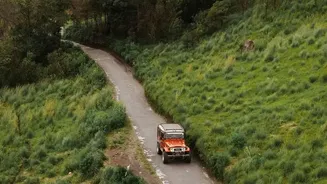
Coorg's waterfalls are at their most magnificent right after the monsoon. Abbey Falls, located near Madikeri, is a powerful cascade set amidst private coffee and spice estates, creating a dramatic and photogenic scene. Iruppu Falls, located in the Brahmagiri Range, is another spectacular sight, often combined with a scenic drive through the Nagarahole forest. For unparalleled views, a jeep safari to the Mandalpatti viewpoint is a must-do adventure. From the peak, you are rewarded with a 360-degree vista of mist-laden hills and verdant valleys. While trekking to the viewpoint can be risky during peak monsoon, the post-monsoon season offers safer conditions to enjoy the stunning scenery. A drive through the region will take you past these key sights, as well as hidden gems like the tranquil Chiklihole Reservoir.