





The Great Protein Boom
Walk through any supermarket in India, and you'll see the evidence. Shelves are filled with high-protein breads, biscuits, and even ice creams. This boom is fuelled by social media trends and a growing awareness of health and fitness. Protein is essential—it's
a vital building block for our muscles, organs, and tissues. It helps us feel full, aids in muscle repair, and is crucial for overall health. Given its importance, it's easy to see why 'more is better' has become a popular mantra. However, this simplistic view overlooks a more complex reality that nutrition experts are keen to highlight.
How Much Protein Do You Actually Need?
Contrary to the hype, the average person's needs are quite moderate. The Indian Council of Medical Research (ICMR) recommends about 0.83 grams of protein per kilogram of body weight for a sedentary adult. For a person weighing 65 kg, that's roughly 54 grams per day. Even most active people don't need the mega-doses often promoted online. Someone who exercises regularly might need about 1.2 to 1.7 grams per kilogram. The truth is, most people who eat a balanced diet already get enough protein, often without even trying. Studies show that many people, especially men aged 19-59, regularly exceed their protein recommendations.
The Downsides of Overconsumption
Your body is efficient, but it can't work miracles. It can only use a certain amount of protein at once, typically 20-30 grams per meal. Anything extra doesn't get stored as muscle. Instead, your body converts the excess calories to fat, and the byproducts of protein metabolism are processed by your kidneys and liver. Long-term excessive protein intake can put a strain on these organs, especially in individuals with pre-existing kidney conditions. Other potential side effects include dehydration, digestive issues like bloating and constipation, and an increased risk of kidney stones. Furthermore, focusing solely on protein can lead to a diet that lacks other essential nutrients, like fibre from fruits and vegetables.
Do You Need Protein Powders and Supplements?
Protein supplements can be a convenient way to boost intake, but for most people, they are simply not necessary. A well-rounded diet is almost always superior because whole foods offer a complex package of vitamins, minerals, and fibre that supplements lack. Elite athletes or individuals with specific medical conditions that increase their protein needs might benefit from supplements under guidance. For the average person, however, they can be an expensive way to consume extra calories that may end up being stored as fat. Before you spend money on a large tub of whey or plant protein, consider whether your diet is truly lacking.
A Balanced Plate: Protein in the Indian Diet
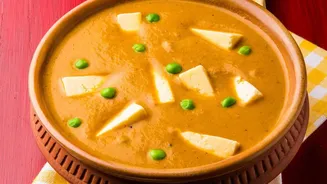
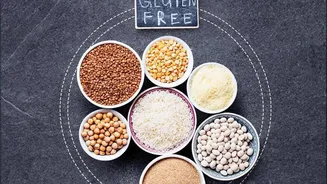
The good news is that a traditional Indian diet is rich in excellent protein sources. A balanced meal plan can easily meet your daily requirements without any special powders. Combining cereals with pulses—like in dal and rice or roti and dal—creates a complete protein profile containing all essential amino acids. Other fantastic sources include paneer, curd, chickpeas (chana), kidney beans (rajma), lentils, tofu, nuts, and seeds. Instead of fixating on one nutrient, the goal should be to build a balanced plate. Spreading your protein intake throughout the day with 20-30 grams per meal is more effective for muscle health than consuming a large amount in one sitting.