





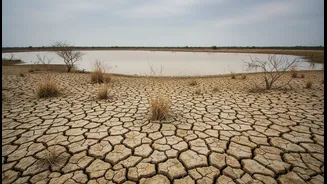


Understanding the Monsoon Deficit
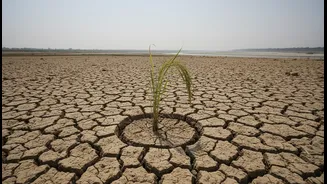
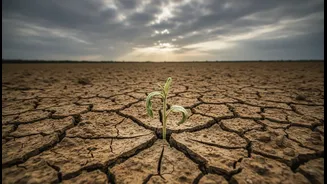
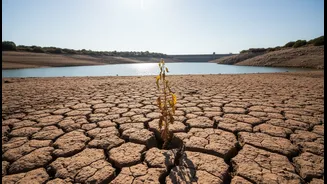
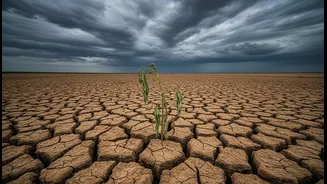
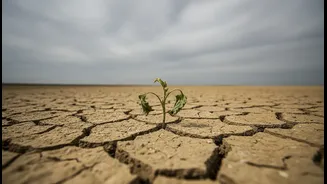
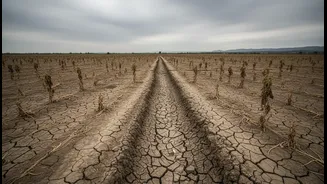
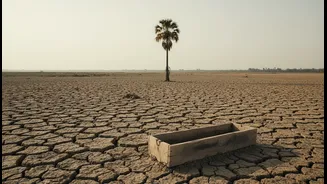
As of early July, Goa is experiencing a notable rainfall deficit. The India Meteorological Department (IMD) has reported that while June saw some recovery from a very dry start, the seasonal shortfall was still around 26.7%. July, typically the wettest
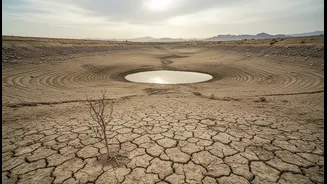
month, has so far seen lighter, moderate rainfall instead of the usual heavy downpours. This pattern is concerning because the state's reservoirs, which supply water for the entire year, depend on a strong monsoon to reach their full capacity. For instance, the Selaulim reservoir, which serves most of South Goa, was only 37% full by early July, a time when it is normally expected to be overflowing. This weak spell has also brought hotter, more humid conditions, with temperatures climbing nearly three degrees above normal.
At Home: Your Water Conservation Checklist
With dam levels lower than normal, conserving water is critical to avoid shortages later in the year. Officials have already warned that without sufficient rain, water supply could become an issue. Start by implementing simple changes at home. Fix any leaking taps or pipes immediately, as even small drips waste a significant amount of water over time. Opt for shorter showers and turn off the tap while brushing your teeth or washing dishes. Avoid using potable water for non-essential tasks like washing cars or cleaning large outdoor areas. If you have a garden, water your plants early in the morning or late in the evening to reduce evaporation. Installing water-saving fixtures on taps and showers can also drastically cut down consumption without a noticeable change in pressure. The government has also pointed to the poor implementation of existing rainwater harvesting rules, a measure that could significantly recharge groundwater if adopted widely.
Power Supply and Utility Management
A weak monsoon can strain the power grid. A significant portion of electricity, especially on the national grid that supplies Goa, comes from hydroelectric plants. Lower water levels in reservoirs mean reduced power generation capacity. This can lead to voltage fluctuations and potential load-shedding or power cuts, especially as demand for fans and air conditioning rises with the increased humidity and heat. To prepare, ensure your electronic devices are protected with surge protectors. Keep emergency light sources like rechargeable lamps, torches, and candles handy. If you rely on electronic medical equipment, consider investing in a backup power source like an inverter or a small generator. It's also a good idea to keep your mobile phones and power banks fully charged whenever electricity is available.
Health and Safety During a Weak Monsoon
Unusual weather patterns can bring specific health risks. While a full-blown monsoon brings risks of flooding and water-borne diseases, a weak one creates different problems. Patches of stagnant water from infrequent rains can become breeding grounds for mosquitoes, increasing the risk of vector-borne diseases like dengue and malaria. Take precautions by clearing any standing water around your home—in flowerpots, coolers, and discarded containers. Use mosquito repellents and nets, especially during dawn and dusk. The higher-than-normal heat and humidity can also lead to dehydration and heat exhaustion. Drink plenty of water and fluids throughout the day to stay hydrated, and try to stay indoors during the hottest parts of the afternoon.
Advice for Tourists and Businesses
For those visiting or running a business in Goa, the weak monsoon presents a mixed bag. On one hand, there may be more sunny days than are typical for July. However, the underlying issues of potential water and power shortages remain. Tourists should be mindful of their water usage in hotels and guesthouses. Carry a reusable water bottle and stay hydrated. Be prepared for occasional power cuts and check if your accommodation has backup power. For businesses, especially in the hospitality sector, this is a crucial time for responsible resource management. Implementing water-saving measures and communicating the need for conservation to guests can make a collective difference. Investing in rainwater harvesting and backup power solutions is not just a good practice but a necessary step for sustainable operations.