




1. Balsam (Gulmehndi)
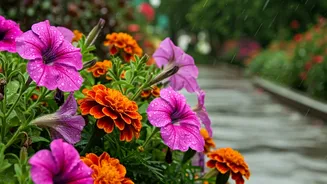
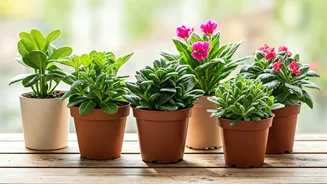
Often called the 'monsoon flower', Balsam is a true star of the rainy season. These plants produce a riot of colours—pink, red, purple, and white—on lush, green stems. They adore the humidity and consistent moisture that the monsoon provides. Balsam grows
quickly from seed, often flowering within 60 days, making it an incredibly rewarding choice for impatient gardeners. Its delicate, almost rose-like blooms stand out beautifully against overcast skies, bringing instant cheer to balconies and garden beds alike. Pro Tip: Plant them in well-draining soil to prevent root rot, as their love for water doesn't extend to sitting in a puddle. A mix of garden soil, compost, and a little sand is ideal. They do well in pots and are perfect for adding a splash of colour to window boxes.
2. Marigold (Genda)
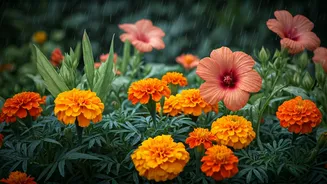
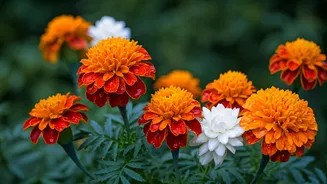
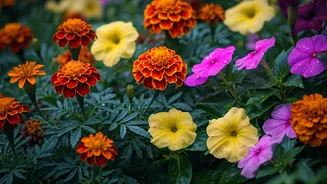
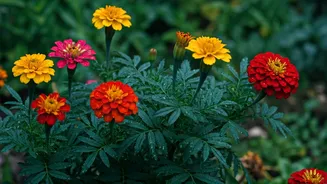
The ubiquitous Genda is a festive favourite for a reason: it's tough, cheerful, and incredibly easy to grow. While they bloom throughout the year, marigolds have a special affinity for the monsoon. The cooler, moist environment encourages lush foliage and abundant, vibrant blooms in shades of yellow, orange, and maroon. They are also a natural pest repellent, helping protect other, more delicate plants in your garden. Their sturdy nature means they can withstand moderate to heavy rain without losing their charm.
Pro Tip: To encourage bushier growth and more flowers, pinch off the first few flower buds. Ensure your pots have good drainage holes, and avoid over-watering on days when there's no rain.
3. Hibiscus (Gudhal)
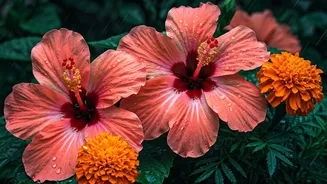
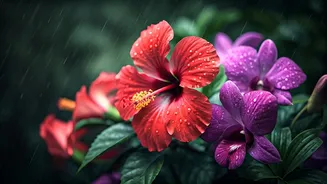
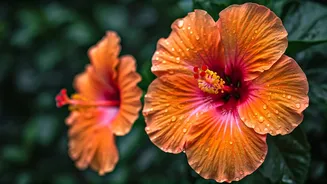
The tropical Hibiscus is a symbol of sunshine, but it puts on a spectacular show during the monsoon. The consistent water supply and high humidity prompt the plant to produce large, dramatic flowers continuously. From classic reds to exotic pinks, yellows, and oranges, the Gudhal adds a touch of the exotic to any setting. These are hardy shrubs that, once established, require minimal care but offer maximum impact. The rain washes their glossy leaves clean, making the entire plant look fresh and vibrant.
Pro Tip: Hibiscus are heavy feeders. Give them a dose of balanced fertiliser (rich in potassium) at the beginning of the monsoon to support vigorous blooming. Plant in a large pot or directly in the ground for best results.
4. Spider Lily (Hymenocallis)
If you're looking for elegance and fragrance, the Spider Lily is your answer. This bulbous plant sends up tall stalks topped with unique, spidery white flowers that are especially fragrant in the evening. They thrive in the wet conditions of the monsoon, often lying dormant during the hot summer and bursting into life with the first rains. Their delicate, unusual shape adds a touch of sophistication to any garden, and their sweet scent is a welcome bonus on a damp evening.
Pro Tip: Spider Lilies are perfect for planting along borders or in clumps. They multiply over time, so give them some space to spread out. They are not fussy about soil but perform best in a location with partial sunlight.
5. Cosmos
With their daisy-like flowers and feathery foliage, Cosmos bring a light, airy feel to the garden. These plants are remarkably resilient and seem to dance in the rain. Available in a wide palette including pink, white, magenta, and orange, they grow tall and produce a profusion of flowers that attract butterflies. They are not demanding and can thrive even in poor soil, making them an excellent choice for beginners. Their ability to handle both sun and rain makes them a versatile performer during the unpredictable monsoon weather.
Pro Tip: Due to their height, some varieties might need staking to prevent them from bending over in heavy wind and rain. Deadheading (removing spent flowers) will encourage the plant to produce more blooms throughout the season.
6. Rain Lily (Zephyranthes)
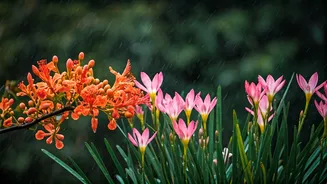
As its name suggests, the Rain Lily is a flower that is intrinsically linked to the monsoon. These small, bulbous plants produce charming, star-shaped flowers in shades of pink, white, and yellow. Their magical quality is that they often bloom overnight in response to a heavy downpour, surprising you with a carpet of colour the next morning. They are perfect for rock gardens, ground cover, or as a border for your flower beds. They require almost no care and will multiply year after year.
Pro Tip: Plant the bulbs in clusters for a more dramatic effect. They perform well in both full sun and partial shade and are an excellent, low-maintenance option for adding pops of colour to your monsoon garden.