



Want to bring lush greenery into a tight urban space? A vertical garden is the perfect solution. It transforms bare walls on balconies and patios into vibrant living art, maximising your growing area without sacrificing precious floor space.
Choosing Your System and Location
The first
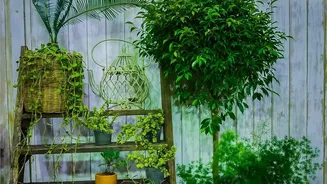
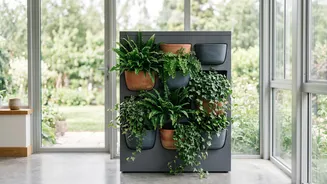
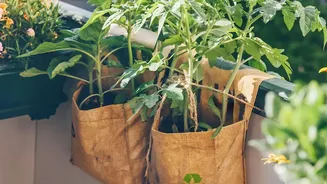
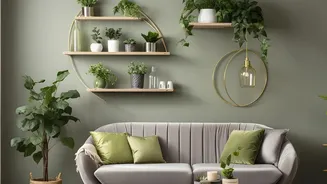
step is deciding on the right structure and spot. Vertical garden systems come in several forms. Fabric pocket planters are lightweight and excellent for beginners. Modular wall panels offer flexibility, allowing you to create custom configurations and expand over time. For a DIY approach, you can use trellises for climbing plants, tiered plant stands, or even upcycled wooden pallets. When selecting a location, observe how much sunlight the wall receives throughout the day. Most vegetables and flowering plants need at least six hours of direct sun, while many foliage plants prefer shadier spots. Also, ensure the wall is strong enough to support the weight of the system, plants, and wet soil.
The Right Foundation: Soil and Nutrients
Standard garden soil is too heavy and compact for vertical gardens, as it can suffocate roots and cause the structure to sag. The ideal growing medium must be lightweight, well-draining, and able to retain moisture. A popular and effective mix combines coco coir for water retention, perlite for aeration and drainage, and high-quality compost or worm castings for nutrients. A good ratio to follow is four parts coco coir, three parts perlite, and two parts compost. Because nutrients can wash out more quickly from these systems, plan on feeding your plants with a diluted liquid fertiliser every couple of weeks during the growing season.
Selecting the Perfect Plants for Indian Climates
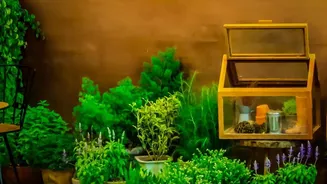
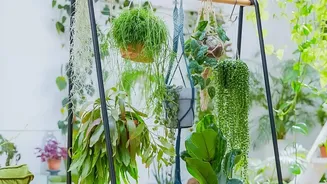
Plant selection is critical and depends on your wall's exposure to sun and wind. For sunny, hot walls, choose heat-tolerant plants like Portulaca, Vinca (Sadabahar), and certain Bougainvillea varieties. In shaded or low-light areas, such as a covered balcony, plants like Money Plant (Pothos), Philodendron, Spider Plant, and various ferns will thrive. Many herbs are also perfect for vertical gardens; mint, basil, and thyme are easy to grow and their compact nature suits wall pockets well. For visual appeal, you can add ornamental plants with colourful foliage like Coleus or Fittonia. Always try to group plants with similar light and water needs together.
Watering Your Vertical Garden
Watering is one of the most important aspects of maintenance. Vertical systems can dry out quickly, especially in windy or sunny conditions. Many highnd modular systems come with builtin automatic drip irrigation, which provides consistent moisture. If you have a smaller setup or a DIY system, you will need to water manually. Use a watering can and start from the top, allowing the water to trickle down through the planters. Check the soil moisture regularly by sticking a finger about halfway into the planter; if it feels dry, it's time to water. Be careful not to overwater, as this can lead to root rot. The goal is to keep the soil moist, not waterlogged.
Ongoing Care and Maintenance
Beyond watering, regular checkups will keep your living wall healthy and lush. Regularly inspect your plants for any signs of pests or disease, addressing any issues early before they can spread. Prune your plants to remove any dead or yellowing leaves and to control their size, preventing them from becoming overgrown. This grooming keeps the wall looking tidy and encourages healthy new growth. For indoor vertical gardens, remember to dust the leaves with a clean cloth occasionally, as this helps the plant to breathe and absorb light more efficiently. Rotating plants can also ensure they receive even light exposure.