
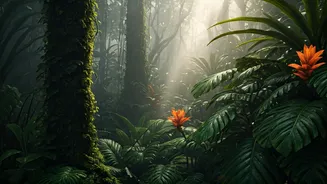




Hoh Rainforest, Washington
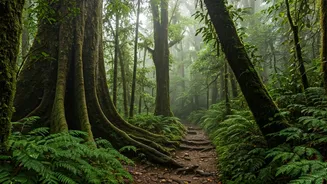
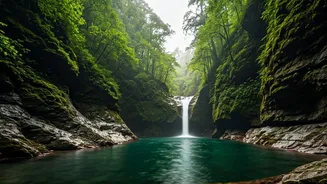
Nestled within Olympic National Park, the Hoh Rainforest is a world apart. It receives an average of 12 feet of rain annually, a deluge that sustains an ecosystem of staggering beauty. Walking its trails is like stepping into a fantasy novel. Mosses,
thick as velvet carpets, hang from the boughs of ancient Sitka spruce and Western hemlock in thick, green draperies, a phenomenon called 'epiphytes'. The rain muffles sound, creating a profound sense of peace broken only by the drip of water from leaf to fern. The air is so pure and damp it feels alive. Rather than a gloomy place, the perpetual mist and moisture make the forest glow with an otherworldly, emerald light. It’s a place to feel small in the best possible way, humbled by the sheer, quiet force of nature.
Tofino, British Columbia, Canada
While most coastal towns bank on summer sun, Tofino has turned its wild, wet winters into a world-class attraction. From November to March, this rugged outpost on Vancouver Island becomes the unofficial capital of 'storm watching.' Visitors flock here to book a cozy, fireplace-equipped room with a view of the Pacific Ocean and watch as massive waves, born from storms thousands of miles away, crash against the rocky shoreline. It’s a dramatic, elemental spectacle. The experience is about surrendering to the power of the weather—hunkering down with a hot drink while the wind howls, or bundling up in full rain gear for a walk on a deserted, windswept beach. The rain here isn’t just weather; it's an exhilarating performance.
Bergen, Norway
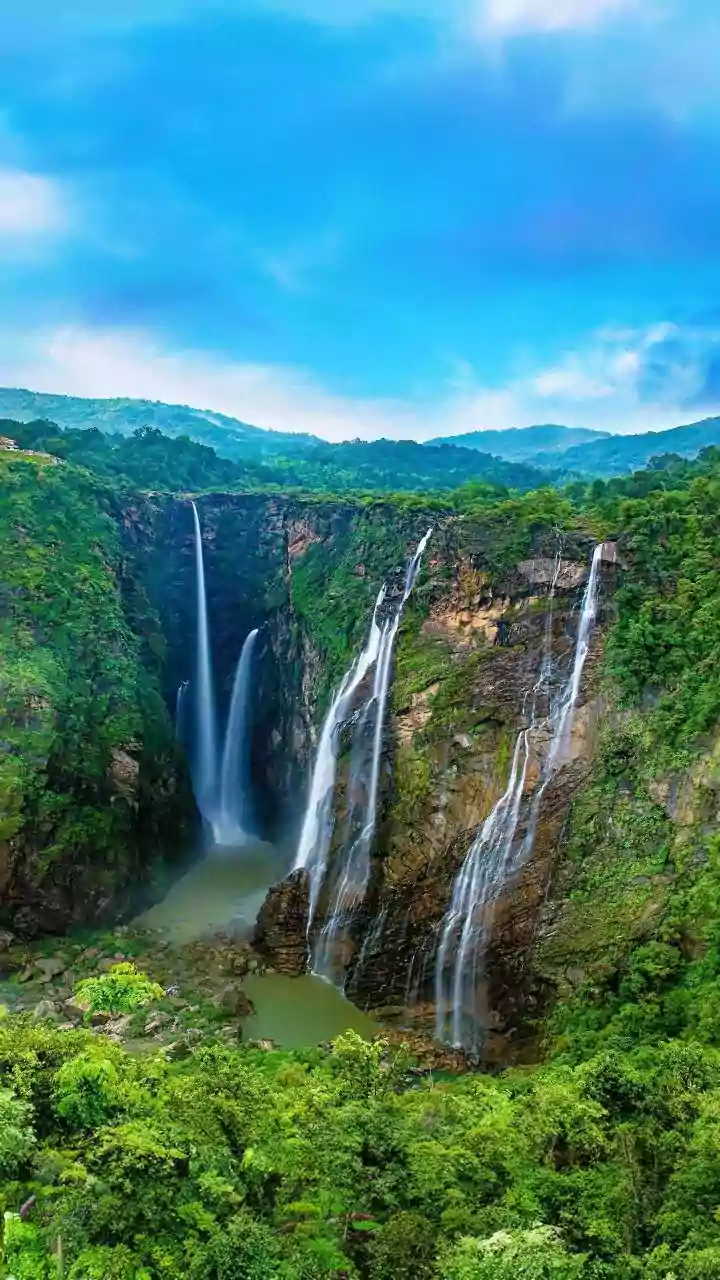
Locals in Bergen joke that they’re born with raincoats and galoshes. Known as Europe's rainiest city, Bergen sees precipitation over 200 days a year. But instead of being dreary, the city has adapted with a cheerful resilience. The rain washes the cobblestone streets to a glossy sheen and deepens the colors of the iconic wooden houses lining the Bryggen wharf, a UNESCO World Heritage site. When the mist rolls in from the surrounding seven mountains, the city takes on a moody, mysterious character. Cafes become cozy havens ('koselig,' as the Norwegians call it), perfect for sheltering from a shower with a cinnamon bun. The rain also feeds the region’s spectacular waterfalls, which are at their most impressive after a good downpour. In Bergen, rain is simply part of the city’s charming personality.
Kauai, Hawaii
Hawaii is synonymous with sunshine, but its oldest island, Kauai, owes its dramatic beauty to the rain. The heart of the island is Mount Waialeale, one of the wettest spots on Earth. This constant moisture has carved the island's breathtaking landscapes, including the emerald valleys and razor-sharp cliffs of the Na Pali Coast and the deep, majestic Waimea Canyon. While you can still find sunny beaches on the south shore, embracing the wetter north and east sides reveals the island's true soul. The rain creates countless waterfalls that cascade down mountainsides, fills the air with the scent of tropical flowers, and keeps the 'Garden Isle' impossibly lush. A passing shower is often followed by a brilliant rainbow, a constant reminder of the beautiful interplay between sun and rain.
Fiordland National Park, New Zealand
On New Zealand’s South Island, the remote Fiordland National Park is a place of sublime, raw beauty that is magnified by rain. This is where you’ll find the famous Milford Sound and Doubtful Sound, dramatic fiords carved by ancient glaciers. The area receives immense rainfall, and this is its secret weapon. On a dry day, the fiords are stunning. On a wet day, they are transcendent. The sheer granite cliffs come alive with thousands of temporary waterfalls, streaming down from the forests above like silver threads. The mist hangs low, shrouding the peaks in an aura of primeval mystery. Taking a cruise through the fiords during or just after a rainfall is an unforgettable experience, witnessing a landscape that feels ancient and very much alive, all thanks to the water that shapes it.