



The Body’s Inner Ecosystem
Our gut is home to trillions of microorganisms, including bacteria, viruses, and fungi, collectively known as the microbiome. This inner ecosystem is not just a passive bystander in digestion; it's a vital command center for our health. Gut microbes help
break down food, synthesize essential vitamins, regulate our immune system, and even influence our mood and cognitive function. On Earth, a diverse and balanced microbiome is a cornerstone of well-being. But in the extreme environment of space, this delicate balance is thrown into disarray, with potentially serious consequences for long-duration missions.
How Space Wreaks Havoc on the Gut
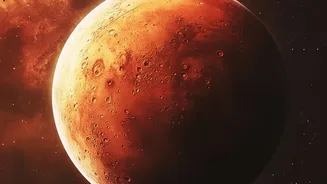
A trip to Mars is not a gentle ride. Astronauts are exposed to a relentless combination of stressors that directly impact their gut health. The primary culprits are microgravity, galactic cosmic radiation (GCR), a restricted diet, and the psychological stress of confinement. Studies on astronauts aboard the International Space Station (ISS) and in simulations have consistently shown changes in the gut microbiome. Microgravity, for instance, slows down the movement of food through the digestive tract, a condition which can contribute to constipation and other gastrointestinal issues. This slower transit time alters how gut bacteria function, forcing them to break down proteins instead of their usual carbohydrates, which can produce potentially harmful byproducts.
The Radiation Threat
Perhaps the most significant long-term threat is space radiation. Earth's magnetic field protects us from the constant bombardment of high-energy particles, but in deep space, astronauts are exposed. This radiation can directly damage the cells lining the intestine, making the gut barrier 'leaky'. A compromised gut barrier allows bacteria and inflammatory molecules to escape into the bloodstream, which can trigger systemic inflammation and disrupt the immune system. Animal models exposed to simulated space radiation show these exact effects, along with shifts in the microbiome that favor less beneficial bacteria.
A Cascade of Health Risks
An unhappy gut in space doesn't just mean digestive discomfort. The downstream effects are a major concern for mission success. A disrupted microbiome is linked to a weakened immune system, which is already suppressed by spaceflight, potentially making astronauts more susceptible to infections. It can impair the body's ability to absorb crucial nutrients from food, which is critical when every calorie counts. Furthermore, the well-established gut-brain axis means that microbial imbalance can affect mental health, contributing to the anxiety, cognitive decline, and sleep disturbances that astronauts sometimes report.
Fortifying the Gut for Deep Space
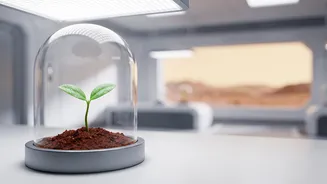
Recognizing the gut as a critical weak point, scientists are actively researching countermeasures. The goal is not just to prevent problems but to actively support a healthy microbiome. One of the most promising areas is nutrition. This includes developing specialized diets rich in fiber and antioxidants, possibly from fresh vegetables grown in space, to promote the growth of beneficial bacteria. Another strategy involves the use of probiotics (beneficial live bacteria) and prebiotics (fibers that feed those bacteria) to help maintain a healthy microbial balance. These could be delivered as supplements or engineered directly into space food, creating a personalized nutrition plan to keep each astronaut's inner ecosystem thriving millions of miles from home.