

The Foundation: Grains and Legumes
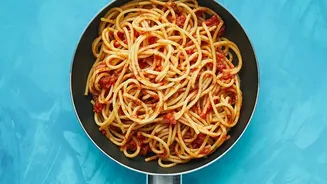
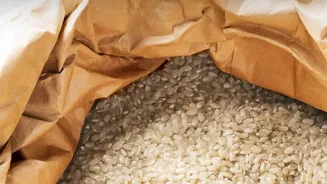
A well-stocked kitchen starts with a solid foundation of dry goods. Items like rice, pasta, oats, and dried or canned beans are the versatile workhorses of a smart pantry. A bag of long-grain white rice, for example, isn't just a simple side dish. It can be the base
for a stir-fry, a key component in a hearty soup, or the main ingredient in a creamy risotto. Similarly, chickpeas can be tossed into a salad, blended into hummus, or simmered in a flavourful curry. The key is to see these staples not as single-purpose items but as flexible building blocks for a week's worth of diverse meals. Stocking a few different pasta shapes, some lentils, and a grain like quinoa gives you endless possibilities for quick and affordable dinners.
The Workhorses: All-Purpose Vegetables
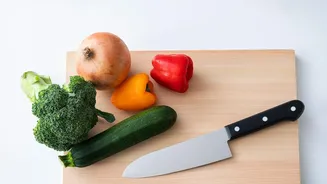
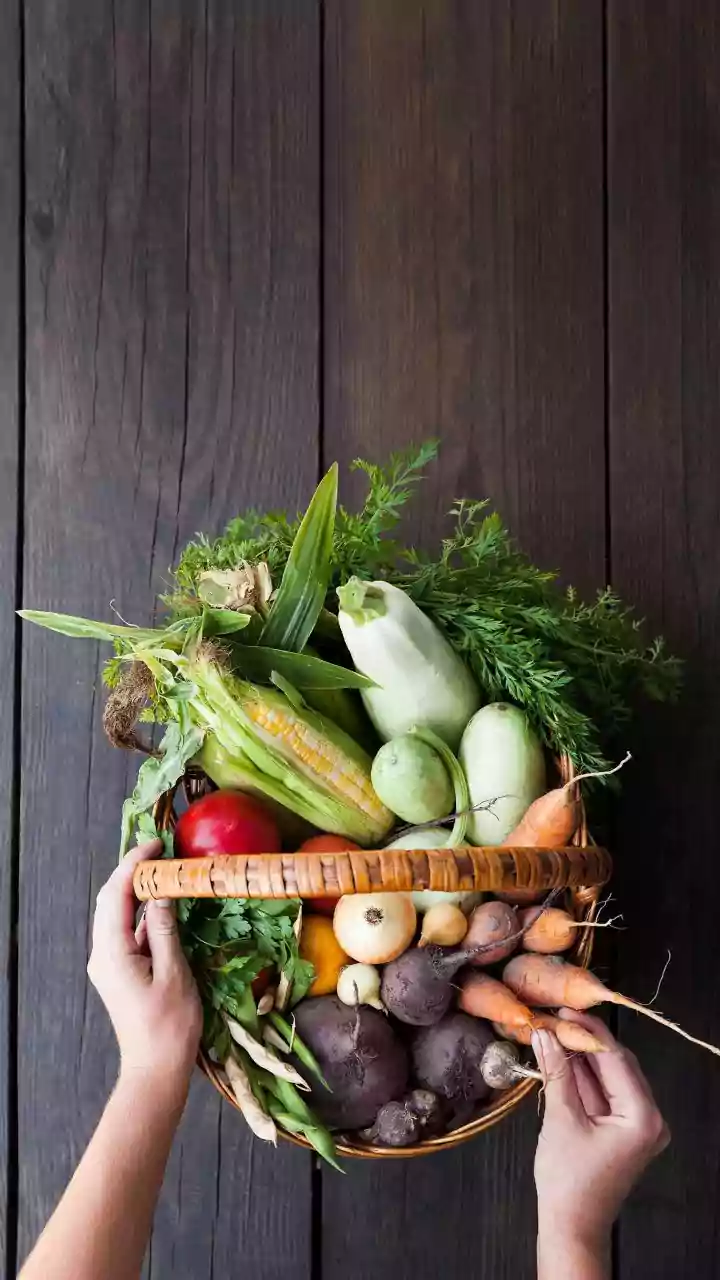
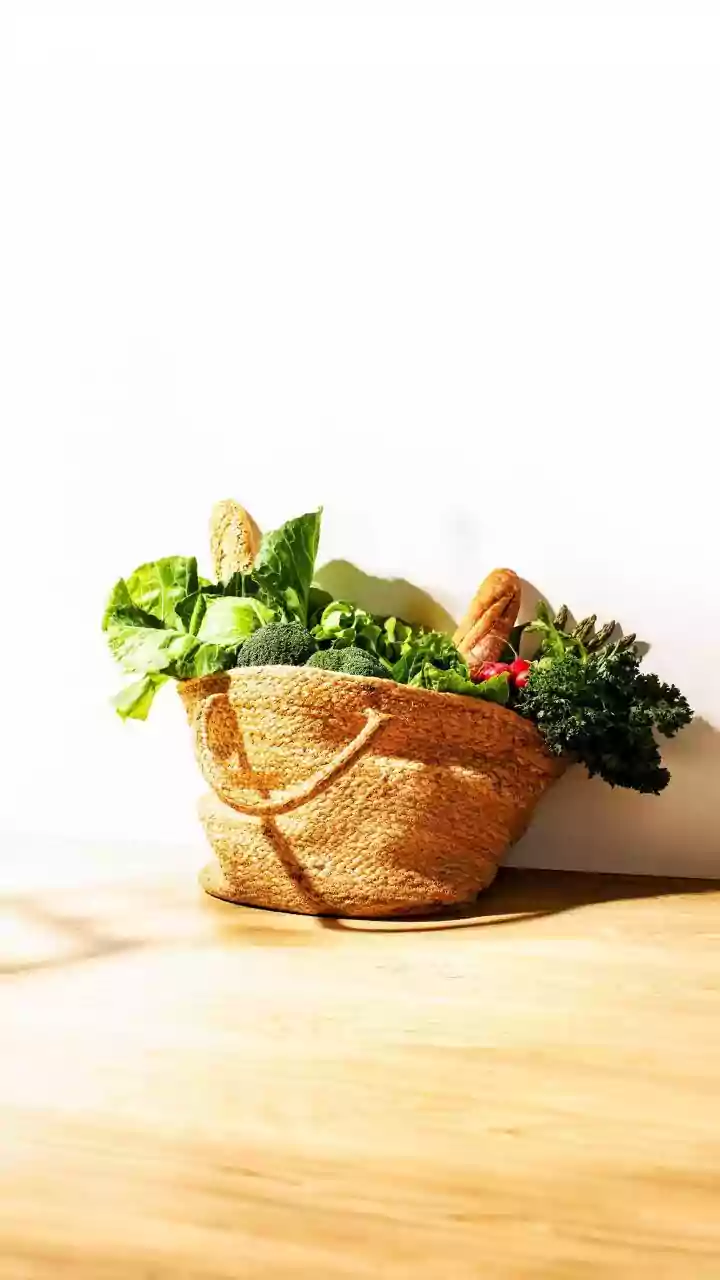
A few key vegetables form the flavour base for countless dishes across many cuisines. Onions and garlic are non-negotiable staples, providing the aromatic start for everything from Italian pasta sauces to Indian curries and Mexican salsas. Carrots and potatoes are similarly adaptable. They can be roasted until sweet and caramelized, boiled and mashed, or diced and added to stews and soups for substance. Keeping these root vegetables on hand means you always have the beginnings of a nutritious meal. Other great additions include bell peppers and leafy greens like spinach, which can be used both raw in salads or cooked into a variety of dishes. Buying these essentials allows you to anchor your meals for the week, reducing the need for multiple grocery trips.
The Flavour Builders: Essential Oils, Vinegars, and Spices
This is where you can truly transform a dish. A basic set of oils and vinegars can take an ingredient in completely different directions. Olive oil is perfect for dressings and general cooking, while a neutral oil like vegetable or canola is better for baking or high-heat frying. A splash of red wine vinegar can brighten a pan sauce, while balsamic vinegar adds sweetness to roasted vegetables. Your spice rack is a powerful tool for ingredient overlap. Spices are what prevent you from feeling like you are eating the same thing over and over. Cumin and chilli powder can steer chicken and onions toward a taco filling, while oregano and basil can turn them into a Mediterranean-style skillet. A core collection should include salt, black pepper, garlic powder, onion powder, paprika, and a versatile herb blend like Italian seasoning.
From Raw to Roasted: How Method Matters
The same ingredient can have a completely different taste and texture depending on how you cook it. Understanding basic cooking techniques is fundamental to making your ingredients work harder for you. Take a simple carrot. Eaten raw, it's crunchy and sweet. When you roast it, the dry, high heat caramelizes its natural sugars, making it tender and intensely flavourful. If you poach it, the carrot becomes soft and delicate, absorbing the flavours of the liquid. Sautéing, which involves cooking quickly in a hot pan with a little fat, keeps vegetables crisp-tender while giving them a delicious sear. Grilling imparts a smoky char that can't be replicated indoors. By mastering a few of these dry-heat and moist-heat methods, you unlock the ability to turn a single vegetable into several distinct culinary experiences, preventing mealtime boredom.
Crossing Cuisines: The Global Pantry
The beauty of ingredient overlap is seeing how staple foods are used across the globe. A chicken breast, for instance, is a blank canvas. Marinate it in yoghurt and spices for an Indian-style dish, simmer it with tomatoes and peppers for a Mexican-inspired stew, or slice it thin and stir-fry it with soy sauce and ginger for an Asian flair. Canned tomatoes are another global superstar; they form the base for Italian pasta sauces, Indian curries, and Mexican chilli. Thinking this way helps you plan strategically. When you buy a bag of onions, you can see it as the start of a French onion soup, a topping for an American burger, and a base for a Thai curry. This mindset of cross-utilization is the key to a more efficient, creative, and less wasteful kitchen.