



The ‘Pulled Pork’ Impostor
Mention jackfruit, and most people in the West think of one thing: a vegan substitute for pulled pork. It’s a culinary magic trick that has defined the fruit for a generation of eaters. Young, unripe green jackfruit has a neutral flavor and a stringy,
shreddable texture that, when doused in barbecue sauce, does a convincing impression of meat. It’s a clever use, but it’s also a form of typecasting that completely ignores the fruit’s other, more delicious identity. The jackfruit story in many parts of the world ends with a savory sandwich, but that’s where it should just be getting started. By focusing only on its unripe, savory application, we’ve been ignoring the true, sweet soul of the fruit. Ripe jackfruit is a completely different experience, one that’s primed for the dessert spotlight.
A Symphony of Tropical Flavors
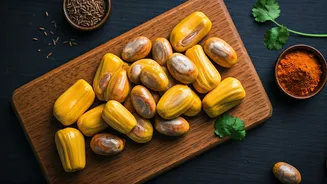
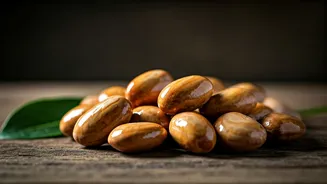
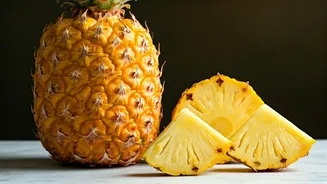
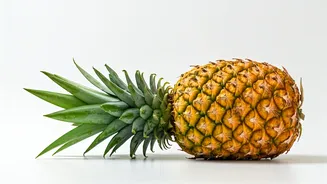
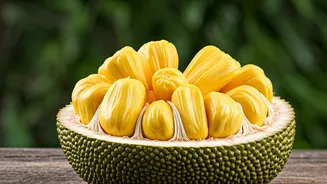
So what does ripe jackfruit actually taste like? Forget the neutral canvas of its unripe form. Ripe jackfruit is an explosion of tropical sweetness. Its flavor is often described as a complex medley, a fusion of banana, mango, pineapple, and even a hint of apple. The bright golden-yellow pods, or arils, have a dense, slightly chewy texture that some compare to gummy candy. The aroma is potent and unmistakable—a musky, sweet fragrance that announces its presence. While this strong smell can be divisive, for those who love it, it’s the prelude to a uniquely satisfying treat. This combination of intense, candy-like sweetness and a flavor that evokes the best of the tropics makes it a natural fit for desserts. It isn’t just sweet; it's interestingly sweet, offering a depth that one-note fruits can’t match.
A Pedigree of Sweetness
While it may seem like a novel idea in the West, using jackfruit in desserts is a long-standing tradition across South and Southeast Asia. In the Philippines, ripe jackfruit is a beloved ingredient in classics like halo-halo (a shaved ice sundae) and turon (sweet spring rolls). In India, it's used to make custards, jams (chakkavaratti), and cakes. Thai cuisine features exquisite desserts like sweet sticky rice stuffed into jackfruit pods and drizzled with coconut cream. These dishes aren’t just afterthoughts; they are celebrated preparations that highlight the fruit's unique properties. This rich history proves that jackfruit isn't a rookie in the world of sweets; it's a seasoned veteran waiting for wider recognition.
Reimagining the Dessert Menu
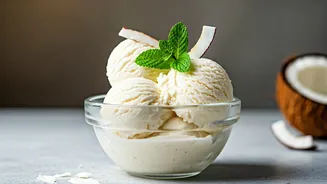
The potential for modern applications is immense. Imagine a jackfruit upside-down cake, where the fruit caramelizes into a rich, gooey topping, offering a tropical alternative to the classic pineapple. Its creamy, dense flesh is perfect for ice creams and cheesecakes, providing both flavor and a luscious texture. You could fold it into a coconut-scented bundt cake, chop it into a tropical fruit tart, or puree it for a vibrant mousse. Because its sweetness is so complex, it pairs beautifully with other flavors like coconut, ginger, cardamom, and lime. For home bakers, canned ripe jackfruit in syrup is an accessible starting point, removing the admittedly laborious process of breaking down one of the world's largest and stickiest fruits.