






First, What Is Joint Loading?
Before comparing these two activities, it is helpful to understand what 'joint loading' means. Simply put, it is the force exerted on a joint during any movement. This is not inherently bad; in fact, weight-bearing activities that load your joints are
essential for maintaining bone density and muscle strength. The key is the type, intensity, and duration of the load. There are two main types of forces to consider: compressive and shear. Compressive forces push the ends of the bones in a joint together, like when you stand or squat. Shear forces occur when forces act parallel to each other, causing a sliding or gliding motion within the joint. Both skating and Tai Chi load the joints, but they do so in remarkably different ways.
The Fluid Dynamics of Skating
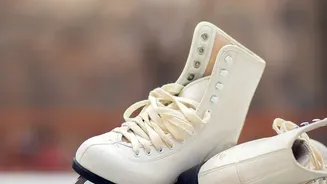
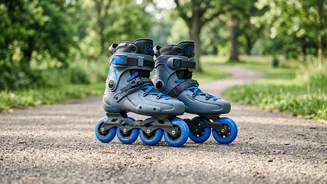
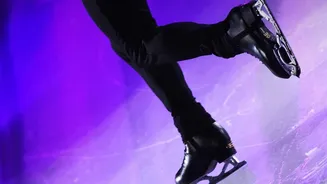
Skating, whether on ice or with inline skates, is known for its smooth, gliding motion. Unlike running, which involves repeated high-impact striking of the ground, skating keeps your feet in motion with minimal vertical jolts. This makes it a low-impact exercise that is often more tolerable for people with sensitive knees, hips, or ankles. The primary movement involves a powerful side-to-side push-off, which heavily engages the leg and gluteal muscles. This action creates significant compressive forces as you bend your knees to maintain a low center of gravity, but the impact is distributed smoothly. The constant need to balance also activates your core and the smaller stabilizing muscles around your hips and ankles.
The Controlled Flow of Tai Chi
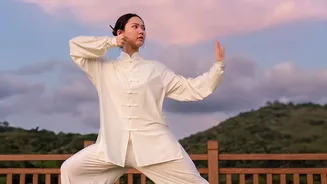
Tai Chi is an ancient Chinese practice characterized by slow, deliberate, and flowing movements. Often described as 'meditation in motion', it emphasizes body awareness, balance, and control. The practice involves continuous weight shifting from one leg to the other, deep knee bends, and gentle rotations of the torso and hips. This creates a unique loading pattern. The forces are applied slowly and sustained over a longer period, which can improve muscle strength, endurance, and joint stability. Numerous studies have shown that Tai Chi can reduce pain and stiffness for individuals with osteoarthritis, largely due to its low-impact nature and focus on improving flexibility and muscle control.
The Knee: A Tale of Two Forces
The knee joint experiences these activities very differently. In skating, the knees are held in a flexed position, and the propulsive force comes from extending the leg to the side. This is excellent for building strength in the quadriceps. However, maintaining this crouched posture can put sustained compressive pressure on the kneecap. In contrast, Tai Chi involves deep, slow knee bends that move the joint through a wider range of motion. This can enhance flexibility and stability if done correctly. However, poor form or sinking into a posture that is too low can increase knee joint load, potentially causing pain for some practitioners. Research indicates that higher postures in Tai Chi reduce unfavorable loads, making proper instruction crucial.
Hips, Ankles, and Overall Stability
Beyond the knees, both activities offer unique benefits for other joints. The lateral push-off in skating is fantastic for strengthening the hip abductor and adductor muscles, which are vital for pelvic stability. It also challenges and improves ankle stability as you balance on a narrow blade or set of wheels. Tai Chi's focus on slow, controlled weight transfers and circular movements is a masterclass in balance and proprioception—your body's awareness of its position in space. This can significantly improve stability, strengthen the core, and enhance coordination, which helps prevent falls, especially in older adults.
Making the Right Choice for You
So, which is better? The answer depends entirely on your goals and physical condition. If your primary goal is cardiovascular fitness and building lower-body power with minimal impact, skating is an excellent choice. It burns a significant number of calories and strengthens the legs and glutes efficiently. If you are seeking to improve balance, flexibility, mindfulness, and functional strength in a gentle, low-impact manner, Tai Chi is hard to beat. It is particularly beneficial for those managing chronic conditions like arthritis or seeking to improve their mind-body connection. For some, the ideal solution might even be a combination of both: using skating for cardio and Tai Chi for recovery, balance, and flexibility.