







The New Corner Office
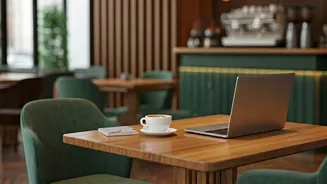
The scene is familiar across cities like Bangalore, Mumbai, and Delhi. Tables once reserved for conversations are now occupied by individuals with laptops open and earphones in. It’s no longer just students or aspiring writers; it’s startup founders,
freelance consultants, and corporate employees on a hybrid schedule. These spaces have evolved beyond being mere social hubs into what many now call the 'third place'—a crucial environment between home and the traditional office. This blend of professional ambition and casual comfort marks a significant shift in India's work culture, transforming the local café into a dynamic, flexible workspace. The ambient noise, once a distraction, is now seen by many as a productivity booster, providing a sense of energy without the pressures of a formal office.
Why The 'Workfe' Is Booming
Several factors are brewing this trend. The post-pandemic normalisation of remote and hybrid work is a primary driver. Companies have become more flexible, and employees are seeking alternatives to the isolation of working from home. According to industry experts, Gen Z and Millennial professionals, in particular, prefer open, dynamic environments over confined office spaces. Furthermore, the rise of the gig economy and a booming startup ecosystem means more people need flexible, affordable places to work and hold meetings without committing to a costly office lease. Cafes offer a ready-made solution: a desk, internet, and refreshments, all for the price of a coffee and a snack.
The Business of Brewing Productivity
Café owners have been quick to adapt to this new clientele. Chains like Third Wave Coffee, Blue Tokai, and Social are designing their spaces to be work-friendly from the ground up. This includes providing ample, easily accessible power outlets, high-speed Wi-Fi, and comfortable seating designed for longer stays. Some have gone a step further. Establishments like Social offer 'work from Social' passes, which bundle workspace access with food and beverage credits, formalising the arrangement. Others, like Dialogues Cafe in Bangalore, operate on a time-based model, charging patrons for the hours they spend, which includes unlimited Wi-Fi and coffee. This signals a clear evolution in the business model, from a simple eatery to a service-based workspace provider.
More Than Just A Desk And Wi-Fi
The appeal of a work-friendly café extends beyond its practical amenities. For many freelancers and remote workers, it provides a solution to the loneliness and lack of structure that can come with working from home. The environment offers a sense of community and the opportunity for casual networking. Seeing others focused and working can be motivating, creating a collective, productive energy. It also helps establish a healthier work-life boundary; stepping into a café can signal the start of the workday, and leaving it can signal the end, a ritual that is often lost when one's home is also their office.
Navigating The New Etiquette
This trend is not without its challenges. The primary tension lies in balancing the needs of long-staying workers with the café's business model, which traditionally relies on customer turnover. Not all cafes are equipped for or welcoming of laptop campers. As a result, an unwritten etiquette has emerged. Regulars understand the need to order food and beverages periodically to justify their long stay. Some cafes have designated quiet zones for deep work, while others transition from a coworking hub in the day to a lively social bar at night to manage crowd dynamics. For professionals, choosing the right café often involves checking for explicit work-friendly policies to ensure they are not overstaying their welcome.