

Why November is Prime Time
Planning a wildlife trip in November hits a sweet spot. The torrid heat of summer is a distant memory, and the heavy rains have subsided, replenishing water sources and painting the landscapes in brilliant shades of green. Temperatures are comfortable,
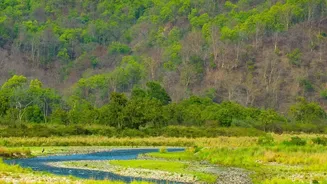
making for pleasant morning and afternoon safaris. It's also a fantastic time for photography, with soft, clear light and verdant backdrops. While the dense foliage can sometimes make spotting animals more challenging than in the dry summer months, the overall experience is far more comfortable. Many of India's premier national parks, which close during the monsoon, reopen their gates in October and are fully operational by November, welcoming the new tourist season with active wildlife.
Itinerary 1: The Classic Tiger Trail
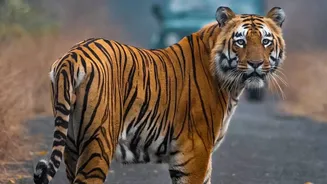
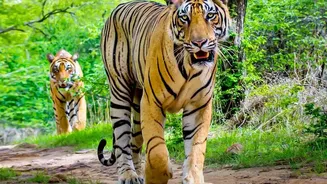
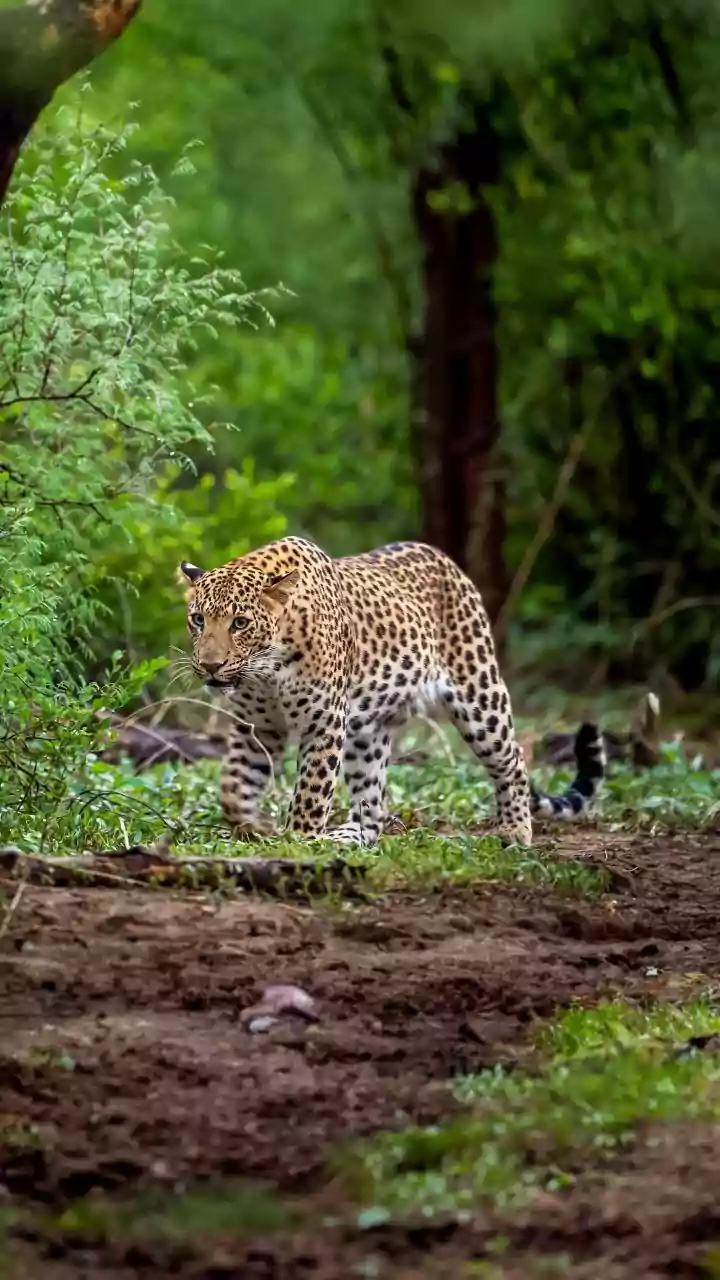
For many, Indian wildlife is synonymous with the Bengal tiger. For a classic tiger-centric itinerary, head to the heart of the country: Madhya Pradesh. Combining Bandhavgarh and Kanha National Parks offers a powerful one-two punch. Bandhavgarh is renowned for having one of the highest densities of tigers in India, increasing your chances of a memorable sighting. Kanha, the inspiration for Rudyard Kipling's 'The Jungle Book', offers a different flavour with its vast meadows and sal forests, and is home to not only tigers but also the rare hard-ground barasingha (swamp deer). Both parks reopen in October, and by November, conditions are ideal. Plan for at least two to three days at each park to maximise your opportunities with multiple safari drives.
Itinerary 2: Rhinos and Elephants of the East
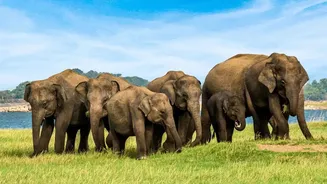
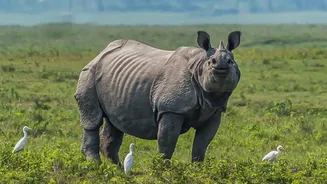
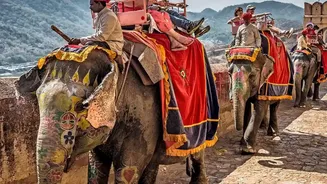
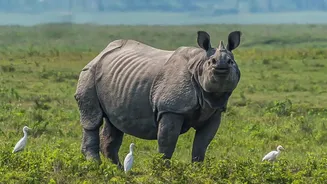
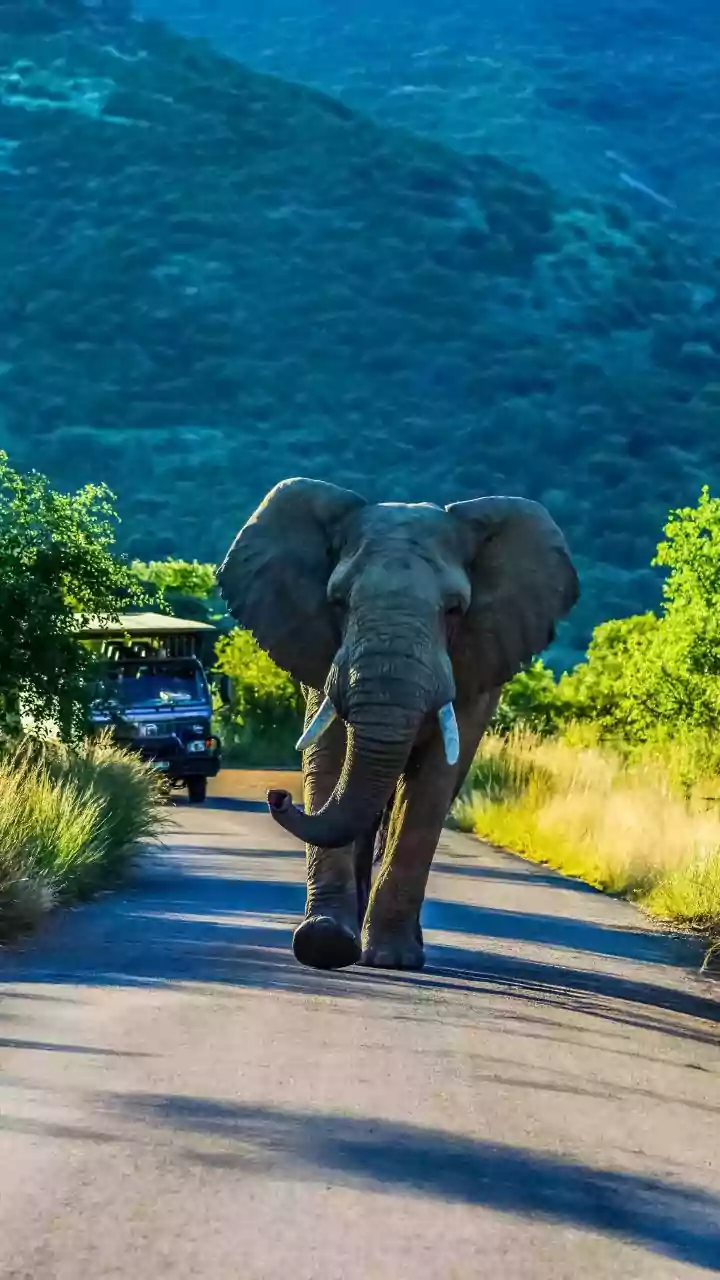
If you want to look beyond tigers and see some of India's other giants, an itinerary in Assam is unbeatable. The star here is Kaziranga National Park, a UNESCO World Heritage Site and the world's most important stronghold for the greater one-horned rhinoceros. After the annual floods, the park reopens in phases, with jeep safaris typically resuming in October and elephant safaris, which offer a unique vantage point, starting from November 1. The park's vast grasslands are also home to elephants, wild water buffalo, and a significant tiger population. You can pair a visit to Kaziranga with the nearby Manas National Park, another UNESCO site celebrated for its stunning biodiversity, including the rare golden langur and pygmy hog.
Itinerary 3: A Royal Mix of Furs and Feathers
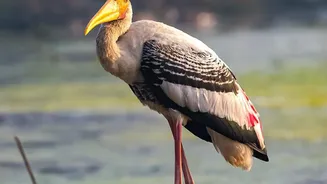
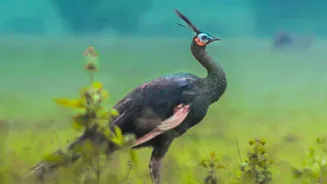
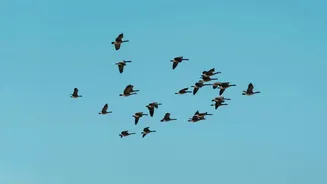
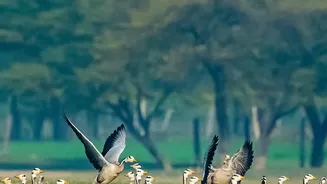
For a truly balanced trip that combines iconic predators with spectacular birdlife, look no further than Rajasthan. Start at Ranthambore National Park, famous for its tigers that roam amidst ancient forts and ruins. November is an excellent time to visit; the weather is comfortable, and the post-monsoon greenery provides a stunning backdrop for photography. From there, it's a relatively short journey to Keoladeo National Park in Bharatpur. This world-famous bird sanctuary, a UNESCO World Heritage site, becomes a bustling hub for migratory birds in winter. By November, thousands of birds, including waterfowl and raptors from as far as Siberia, have arrived, turning the wetlands into an avian paradise that you can explore by rickshaw or on foot.
Essential Planning Tips
Building a successful multi-park itinerary requires foresight. First, decide on your priority: are you singularly focused on tigers, or do you prefer a mix of species? Once you have a goal, book your safaris well in advance. Permits for popular parks and zones, especially for weekend dates in a pleasant month like November, sell out quickly. Booking is typically done online through the respective state's forest department portals. Arrange your accommodations and inter-park transfers next. Since you will be spending long hours in open jeeps, pack layers; mornings and evenings can be quite chilly, even if the afternoons are warm. Finally, be patient. Wildlife sightings are never guaranteed, but with a well-planned itinerary, you give yourself the best possible chance for an unforgettable journey into India's wild spaces.