





So, What Exactly Is a Micro-Trip?
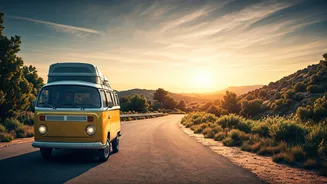
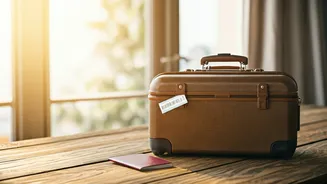
Think of micro-tripping as the travel equivalent of a snack. It’s not the elaborate, three-course meal of a two-week European tour, but a quick, satisfying bite that tides you over. A micro-trip is typically a short journey, lasting anywhere from one
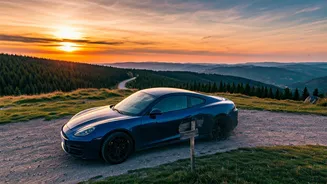
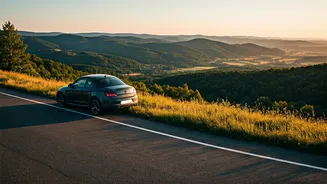
to three days, usually to a destination within a 150-250 kilometre radius. The preferred mode of transport is almost always by road, offering flexibility and a sense of adventure. Unlike traditional vacations that require months of planning, saved-up leave, and a significant budget, micro-trips are defined by their spontaneity and accessibility. They are the answer to a Friday morning text: “Want to drive to the hills tonight?”
The Drive Behind the Drive
Several factors are fuelling this trend, primarily a collective shift in work culture and well-being priorities. Post-pandemic, flexible and remote work arrangements have untethered many young professionals from their office desks. This newfound freedom means a ‘workation’ is no longer a fantasy; one can easily work from a homestay with a mountain view on a Friday. Furthermore, the spectre of urban burnout is very real. The high-pressure environments of modern jobs have created a deep-seated need for regular mental resets. Instead of waiting for burnout to hit before taking a long break, this generation is proactively scheduling small doses of decompression. The initial post-lockdown urge for ‘revenge travel’ has matured into a more sustainable, long-term habit of frequent, manageable escapes.
The Anatomy of a Perfect Micro-Trip
The logistics of a micro-trip are refreshingly simple. Planning is often done on the fly, sometimes just a day or two in advance. WhatsApp groups buzz with impromptu plans, and decisions are made quickly. Budgeting is also more manageable. Instead of a single large expense, costs are spread out over several smaller trips throughout the year. The rise of self-drive car rentals and bike rental services has made getting out of the city easier than ever. Accommodation choices lean towards boutique homestays, eco-resorts, and unique Airbnbs that offer a local, authentic experience rather than generic five-star hotels. The goal isn’t opulence; it’s experience. The itinerary is loose, with a focus on soaking in the atmosphere, trying local food, and simply unwinding rather than ticking off a long list of tourist attractions.
Popular Playgrounds for City Dwellers
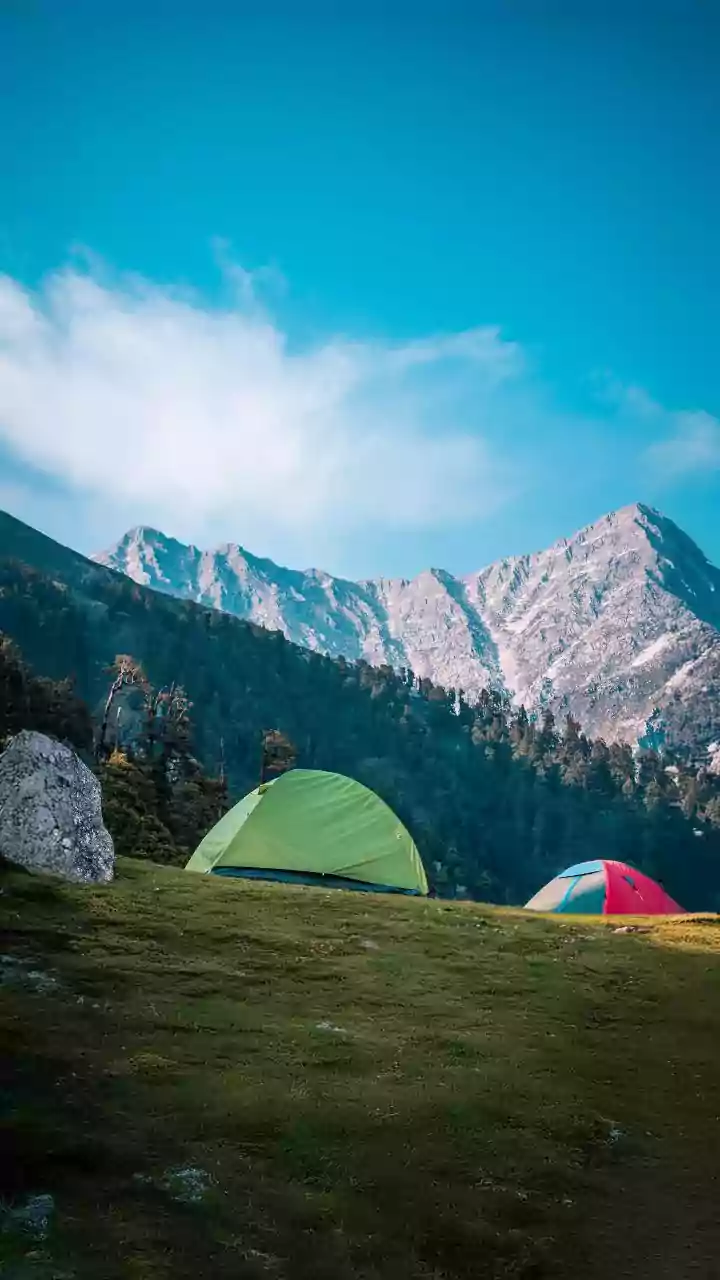
This trend is unfolding on the outskirts of every major Indian metropolis. For Delhiites, the Himalayan foothills are a perennial favourite, with weekend dashes to places like Kasauli, Rishikesh, and Lansdowne. Mumbaikars and Pune residents escape to the lush greenery of the Western Ghats, with Lonavala, Igatpuri, and Mahabaleshwar being popular choices for a quick monsoon or winter getaway. From Bengaluru, the well-trodden paths lead to the coffee plantations of Coorg and Chikmagalur or the serene landscapes of Wayanad. Similarly, Chennai’s youth find their coastal fix in the charming French quarters of Puducherry or the historic shores of Mahabalipuram. These destinations are thriving, with local economies getting a consistent boost from this steady stream of weekend visitors.
More Than Just a Getaway
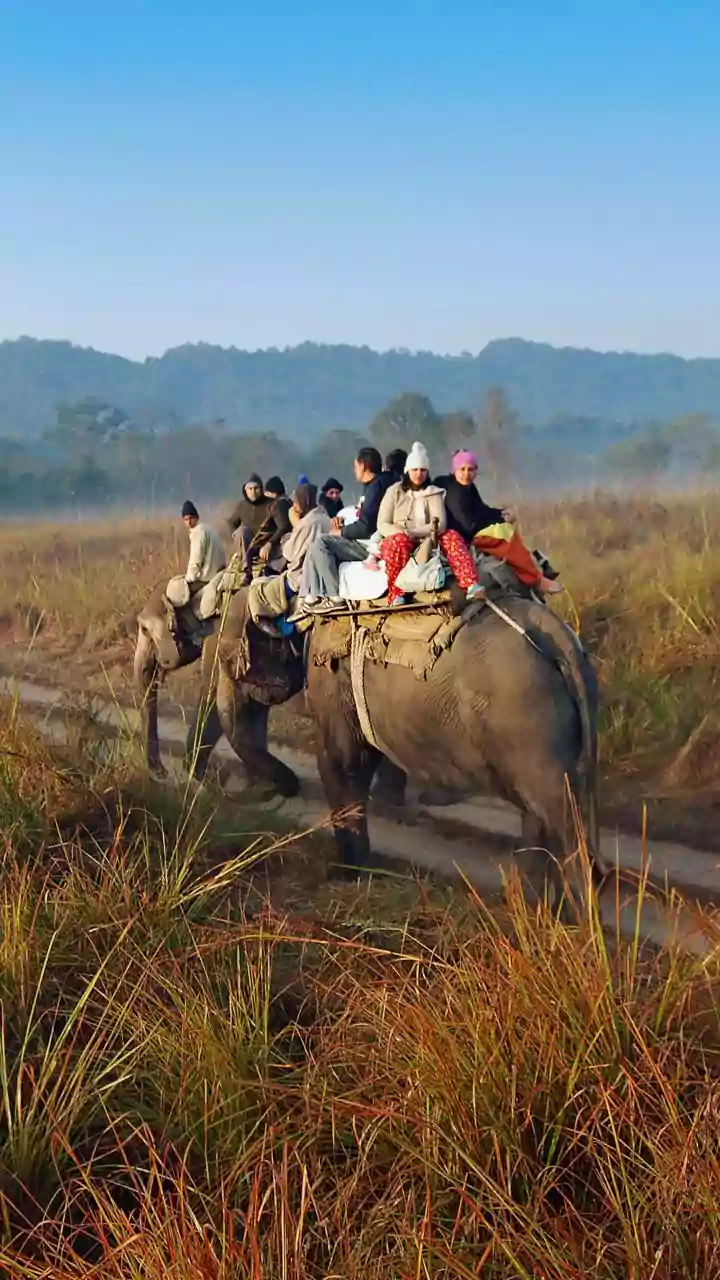
Micro-tripping is more than just a passing fad; it represents a fundamental re-evaluation of the relationship between work, life, and leisure. It prioritises consistent well-being over delayed gratification. For a generation that values experiences over possessions, collecting a dozen small, memorable journeys feels more enriching than owning one big-ticket item. This shift benefits not only the travellers but also the destinations. It promotes a more distributed form of tourism, encouraging exploration of lesser-known local gems and providing a year-round income stream for small businesses in these areas. It proves that you don’t need to cross oceans to find peace, adventure, or a change of perspective—sometimes, it’s just a few hours’ drive down the road.