
The Ancient Art of Fermentation
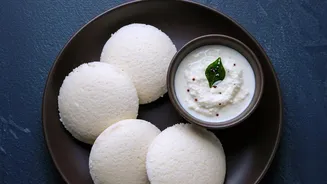
At its heart, the magic of idli and dosa batter lies in fermentation. This age-old process involves soaking rice and urad dal (black gram), grinding them into a paste, and allowing it to rest at room temperature for several hours, typically 8 to 14. During
this time, naturally occurring microorganisms on the surface of the grains begin to work their wonders. These microbes, primarily Lactic Acid Bacteria (LAB) and to a lesser extent, yeasts, break down the complex carbohydrates and proteins in the batter. This pre-digestion not only makes the resulting food easier on the stomach but also transforms its entire nutritional profile.
A Symphony of Good Bacteria
The fermentation process is a dynamic succession of microbes. In the initial hours, heterofermentative bacteria like Leuconostoc mesenteroides get to work, producing both lactic acid and carbon dioxide. The carbon dioxide gas gets trapped in the viscous batter, causing it to rise and creating the light, spongy texture of idlis and the airy crispness of dosas. As the process continues and oxygen levels drop, the environment becomes more acidic. This encourages the growth of other powerful LAB strains like Lactobacillus, Enterococcus, and Pediococcus cerevisiae, which contribute further to the tangy flavour and inhibit the growth of any undesirable pathogens. Studies have identified a rich diversity of these beneficial bacteria, with the genus Weissella now understood to be a major workhorse in the fermentation. These bacteria are the very definition of probiotics—live microorganisms that confer a health benefit when consumed.
Boosting Gut Health and Beyond
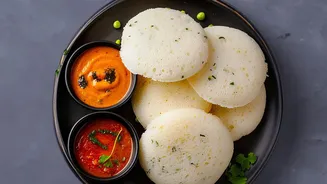
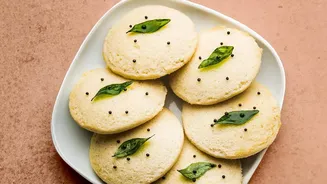
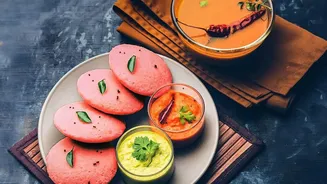
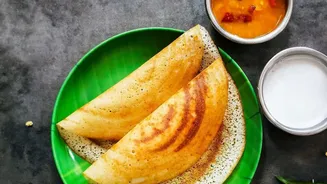
When you eat idli or dosa, you are consuming the beneficial byproducts of this fermentation. The process increases the bioavailability of nutrients, meaning your body can absorb minerals like iron and zinc more easily. Fermentation also leads to the synthesis of essential B-vitamins, including thiamine and riboflavin. The primary benefit, however, is for your gut. While the live probiotic bacteria themselves are largely destroyed by the heat of steaming or cooking, the fermentation process has created a food that is essentially 'pre-digested'. It is rich in fibre from the rice and dal, which acts as a prebiotic—food for the good bacteria already living in your gut. This helps maintain a healthy balance in your gut microbiome, which is crucial for smooth digestion, a strong immune system, and even mental well-being. The lactic acid produced during fermentation also helps promote a healthy gut environment.
The Homemade Advantage
The traditional method of making batter at home from scratch is where these benefits are most pronounced. The process relies on the natural microflora present on the lentils and rice. Urad dal, in particular, is critical as its surface microbiota effectively seeds the fermentation. Commercial, mass-produced batters may use different processes or include additives to ensure a longer shelf life, which can alter the microbial composition and the final nutritional value. While convenient, they may not offer the same rich, natural diversity of flora as a traditionally fermented homemade batter. Preparing it at home allows you to control the ingredients, the fermentation time, and ensure you're getting the most authentic and gut-friendly breakfast possible.