

The US midterm elections have concluded, but for the rest of the world, the real question is just beginning: who is in charge of American foreign policy? The answer lies in a constitutional tug-of-war between the President and Congress.
The President’s Foreign Policy Toolkit
In the American
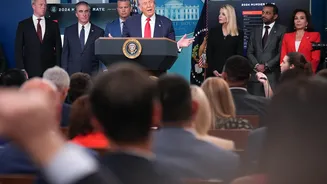
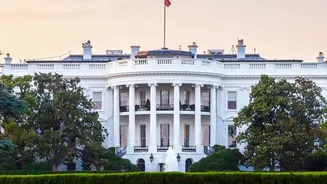
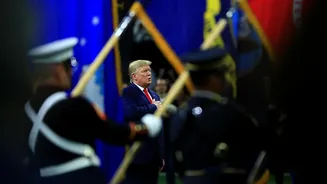
system, the President is the primary architect of foreign policy. The Constitution designates the president as the Commander-in-Chief of the armed forces, granting them the authority to deploy troops and direct military operations. They also have the power to negotiate treaties, recognise foreign governments, and appoint ambassadors. This gives the White House significant speed and latitude to act unilaterally on the world stage, whether by imposing economic sanctions or entering into executive agreements—international deals that don't require Senate approval. This is why a president, such as Donald Trump, can steer policy on major issues like trade tariffs and international conflicts largely on their own initiative.
How Congress Pulls the Levers
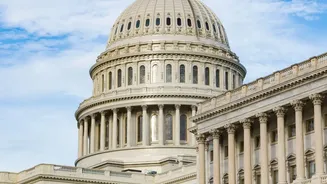
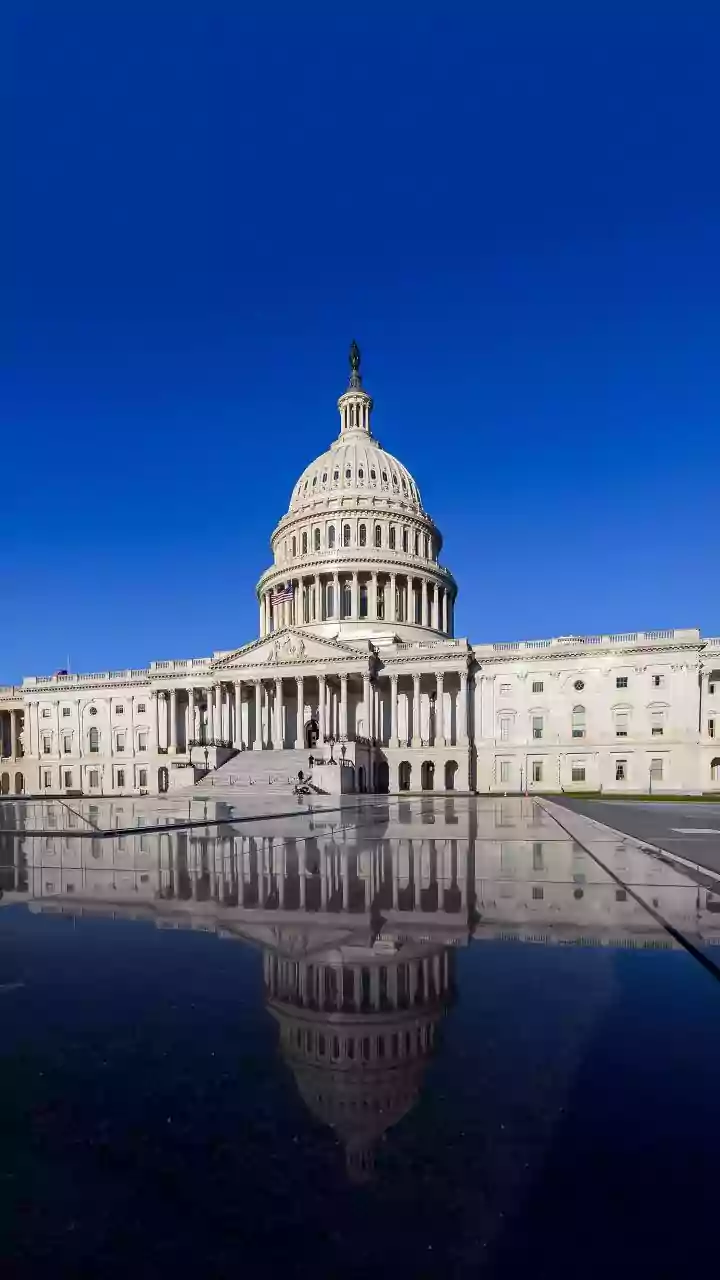
While the president leads, Congress holds powerful tools to check that authority. Its most significant lever is the 'power of the purse'. Congress controls all federal funding, meaning it can choose to finance—or cut funding for—military operations, foreign aid, and diplomatic programs. It also holds the sole power to formally declare war, though this has been replaced in modern times by resolutions authorizing military force. The Senate plays a crucial role by ratifying treaties, which requires a two-thirds vote, and confirming presidential nominees for key posts like Secretary of State and ambassadors. Through committees, Congress can also launch investigations, demand documents, and hold public hearings that scrutinize the administration's foreign policy decisions.
The Post-Midterm Power Shift
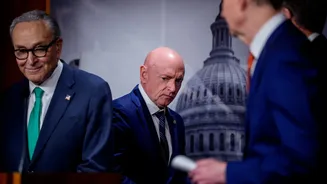
The results of the November 2026 midterm elections have significantly altered the political landscape in Washington. With Democrats securing control of both the House and the Senate, they now chair all congressional committees and control the legislative agenda. This gives them new leverage to challenge President Trump's foreign policy, which was a factor for voters concerned about the war in Iran and the economic impact of tariffs. Democrats are expected to increase scrutiny of military actions and use their funding power to influence policy on aid to allies. However, their power is not absolute. The President retains veto power, and overturning a veto requires a two-thirds supermajority in both chambers, which is a high bar to clear. This means that while Democrats can apply significant pressure and block new initiatives, reversing established policies like tariffs will be difficult without some Republican support.
Trump's Enduring Influence
Despite his party's losses in the midterms, President Trump remains the most powerful single actor in US foreign policy. Facing a Congress controlled by the opposition, presidents often lean more heavily on their executive and foreign-policy authority, where they have more freedom from legislative constraints. Analysts predict Trump may focus on cementing his legacy abroad during his final two years in office, potentially through actions related to ongoing conflicts or major negotiations. While some Republicans may distance themselves from the president following the election rebuke, Trump's influence over the party base remains a powerful force. This internal party dynamic, combined with the constitutional powers of the presidency, ensures he will continue to be a dominant, if contested, force in directing America's role in the world.