
Beyond the Rainbow
Our eyes are tuned to a narrow band of the electromagnetic spectrum called visible light. This spectrum is a continuous range of radiation, from long, low-energy radio waves to short, high-energy gamma rays. Think of it like a cosmic radio dial; visible light is just
one station. By building detectors for other 'stations'—like infrared and radio—we can perceive phenomena that are otherwise hidden. Infrared light, which we feel as heat, sits just beyond the red end of our visible spectrum. All objects with a temperature, even an ice cube, emit it. Radio waves have even longer wavelengths, allowing them to pass through obstacles like walls and clouds of cosmic dust that block visible light.
The Universe in Infrared
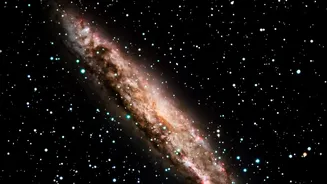
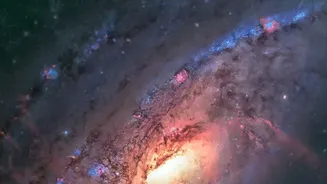
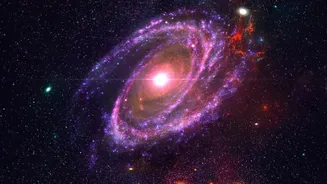
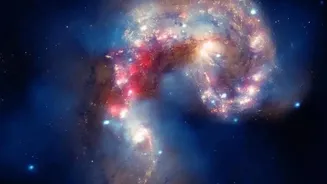
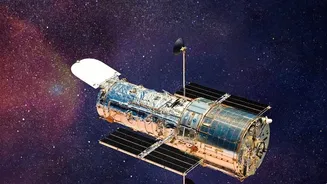
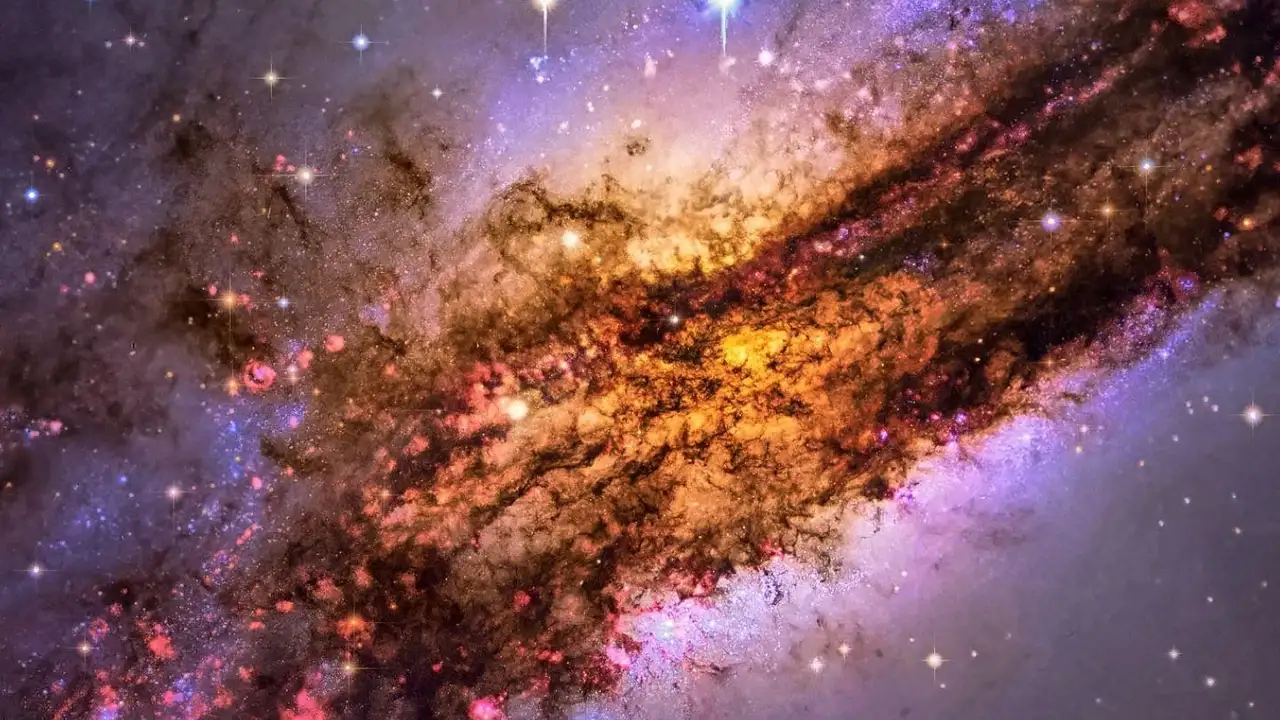
Infrared astronomy lifts a cosmic veil, allowing us to see what's hidden behind dense clouds of gas and dust. This is the magic behind NASA's James Webb Space Telescope (JWST), which is designed specifically to see the universe in infrared. With its powerful infrared instruments, JWST can peer into stellar nurseries where new stars and planets are forming, a process completely obscured in visible light. It can also detect the faint, heat-glow of objects that are too cool to shine brightly in visible light. Because of the expansion of the universe, light from the most ancient galaxies has been stretched into the infrared part of the spectrum. By detecting this, JWST acts like a time machine, showing us some of the first galaxies that ever formed.
Listening to Cosmic Whispers
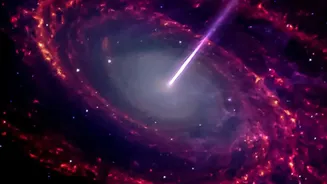
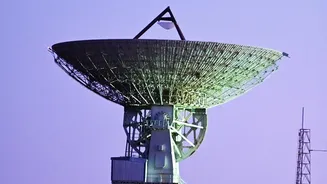
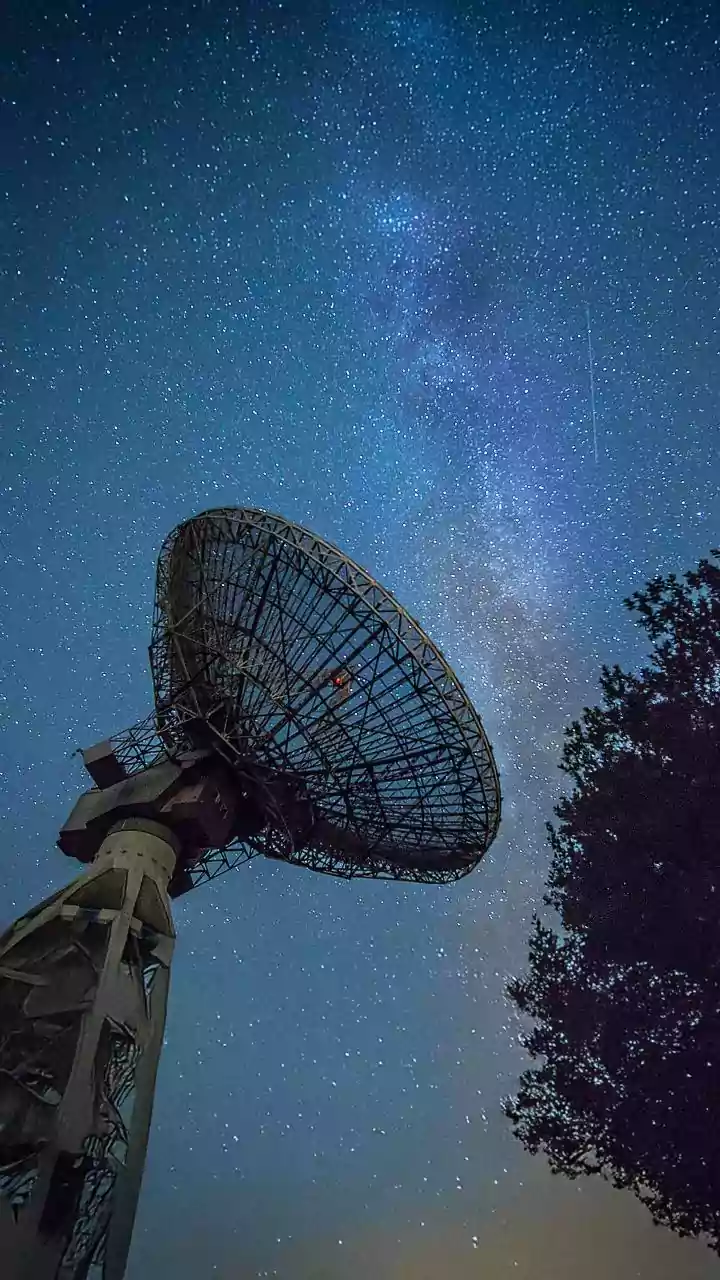
Radio telescopes reveal a universe that is dynamic and often violent, detecting phenomena that are completely silent in the visible spectrum. These giant dishes capture long-wavelength radio waves emitted by some of the most extreme objects in the cosmos. This includes pulsars, which are rapidly spinning, super-dense remnants of massive stars that sweep beams of radio waves through space like a cosmic lighthouse. Radio waves are also key to studying supermassive black holes at the centres of galaxies and can even detect the faint, afterglow of the Big Bang itself. India is home to a world-class facility, the Giant Metrewave Radio Telescope (GMRT) near Pune, which has been instrumental in major discoveries, including detecting faint signals from the early universe and helping find dozens of new giant radio galaxies.
From Space to Your Sofa
The technology used to explore the cosmos in radio and infrared has profound impacts on our daily lives. Every time you change the channel with a TV remote, you are using a beam of infrared light. Night vision goggles and thermal imaging cameras used by firefighters and in security systems work by detecting infrared radiation, essentially seeing body heat in complete darkness. Radio waves are even more ubiquitous. They carry the signals for our televisions, radios, and Wi-Fi. The principles of radio astronomy are even adapted for medical imaging technologies like MRIs, which use radio waves to help create detailed pictures inside the human body without any surgery. These invisible waves are not just for astronomers; they are fundamental tools of modern life.