





Why Add a Plant to Your Desk?
Placing a small plant on your desk does more than just fill a corner. Studies have shown that the presence of indoor plants can help reduce stress and increase feelings of well-being. Visually, they break the monotony of books and screens, adding a living
element that softens the space. While you'd need a dense jungle to truly purify the air in a room, plants like the snake plant and pothos are known for their ability to filter some common indoor pollutants. More importantly, they provide a sense of calm and a connection to nature, which can boost focus and creativity during long study sessions.
The Snake Plant: Upright and Unkillable
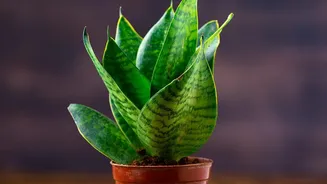
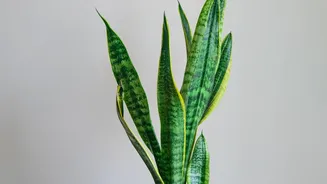
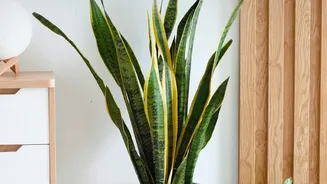
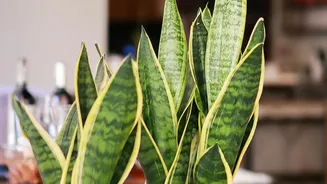
The snake plant, or Sansevieria, is famous for its resilience, making it a perfect choice for busy students and novice plant owners. Its stiff, architectural leaves grow vertically, meaning it has a small footprint and won't invade your precious desk space. Varieties range from the classic yellow-edged 'Laurentii' to the compact 'Zeylanica', offering different looks to suit your style. Often called 'nearly indestructible', its ability to thrive on neglect is its main selling point. It's also known for releasing oxygen at night, which is unique among houseplants.
Caring for Your Snake Plant
The key to snake plant care is to do less. They are highly susceptible to root rot, so overwatering is the biggest danger. Wait for the soil to dry out completely before watering—this could mean watering as infrequently as every two to six weeks, depending on the light and humidity in your room. Snake plants are adaptable to most light conditions, from low, indirect light to brighter spots. However, they will grow faster and have more vibrant colour in bright, indirect sunlight. Use a well-draining potting mix, such as one designed for cacti or succulents, to ensure its roots stay healthy.
The Pothos: A Cascading Classic
Pothos, also known as Devil's Ivy, is another champion of low-maintenance greenery. With its heart-shaped leaves and trailing vines, it adds a dynamic, flowing element to a study space. You can let the vines cascade down the side of a desk or bookshelf, or place it in a hanging planter above your work area. It's an incredibly forgiving plant that often gives clear signals when it needs something, like drooping slightly when thirsty. Its rapid growth provides a satisfying sense of accomplishment, making it a rewarding plant for beginners.
Caring for Your Pothos
Pothos is wonderfully easygoing. It thrives in bright, indirect light but tolerates low-light conditions well, making it suitable for rooms that don't get a lot of sun. Like the snake plant, it prefers its soil to dry out between waterings. A good rule of thumb is to water thoroughly when the top inch or two of soil feels dry. You can easily prune the vines if they get too long; simply snip just below a leaf node. These cuttings can even be placed in water to grow new roots, giving you more plants to decorate with or share.
Styling Your Green Study Buddies
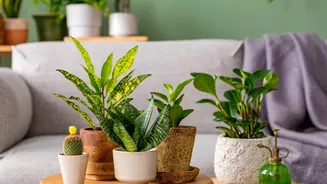
Integrating these plants into your study area is simple. For a minimalist look, choose small snake plants in sleek, simple pots that match your existing decor. They are perfect for sitting neatly beside a monitor or at the corner of a desk. Pothos can be placed on a high shelf, allowing its vines to create a green curtain effect that adds depth and interest. To save desk space, consider small hanging planters or wall-mounted pots. The container you choose is an opportunity to add personality, whether it's a colourful ceramic pot or a simple terracotta one.