


The Foundation: More Than Just Chai
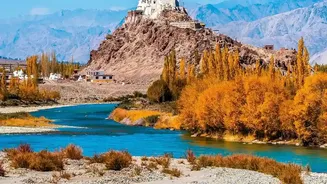
In a nation that thrives on countless cups of masala chai, the teas of Ladakh stand apart. Here, in the high-altitude desert of the Himalayas, traditional beverages are not merely for refreshment; they are a vital source of energy and warmth. The most
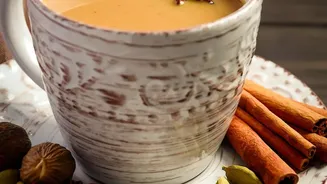
famous of these is 'gur gur chai', or salted butter tea. A world away from the sweet, milky chai of the plains, this creamy, savoury brew is a cornerstone of Ladakhi life. Traditionally made by churning tea leaves with yak butter and salt, it provides essential calories and hydration to counter the harsh, cold, and arid climate. This beverage is more than a drink; it's a symbol of hospitality, offered to every guest, and a ritual that brings families and communities together.
Unearthing Botanical Treasures
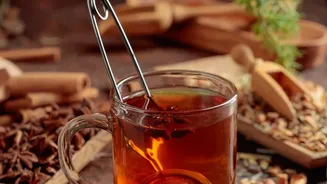
While butter tea is the region's calling card, Ladakh's botanical landscape offers a deeper layer of infusion heritage. The headline's mention of 'smoked' infusions points towards unique preparations that go beyond the everyday. This can refer to teas like Lapsang Souchong, where leaves are dried over pine-wood fires, imparting a distinctly smoky flavour, a practice found in Himalayan regions. However, it also encompasses the use of local, wild-foraged herbs and botanicals that carry earthy, complex, and sometimes smoky notes. In the short growing season, a variety of plants with medicinal properties flourish, from wild chamomile and peppermint to sea buckthorn. These are not just flavourings but are integral to the 'Amchi' system of traditional Tibetan medicine, where infusions are used for wellness and healing.
A Taste of the Wild Himalayas
Exploring these botanical infusions means tasting the landscape itself. Teas made from sea buckthorn, a vibrant orange berry that grows wild, offer a tangy, vitamin-packed brew that is both revitalising and delicious. Local enterprises often work with communities to harvest these native plants sustainably, creating infusions that feature wild rose, caraway, and chamomile. These ingredients are handpicked and often sun-dried, preserving their natural essence. In some traditions across the broader Himalayan region, certain teas are even packed into bamboo tubes and stored over fireplaces, allowing them to age and absorb a smoky character through a slow post-fermentation process. This method results in a complex flavour profile with notes of pinewood, caramel, and a pleasant bitterness, a true departure from mass-produced teas.
The Ritual of Preparation
The making of Ladakhi tea is a ritual in itself. For 'gur gur chai', the process traditionally involves a 'dongmo', a tall wooden churn. Tea leaves, often from a compressed brick, are boiled for an extended period to create a strong concentrate. This is then added to the churn with butter and salt and mixed vigorously until it becomes a frothy, homogenous liquid. This rhythmic churning is a skill passed down through generations. For the herbal 'tisanes', the preparation is simpler, often involving steeping dried flowers or leaves in hot water. Yet, each cup represents a deep connection to the land and the traditional knowledge of which plants to use, when to harvest them, and how to prepare them for both flavour and benefit.