





Why Monsoon Currents Are Unpredictable
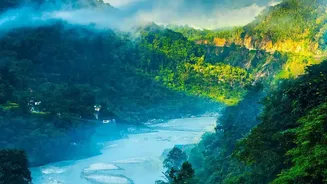
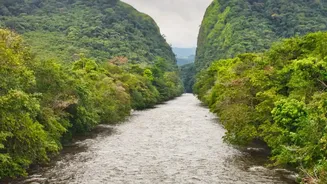
During the monsoon, Meghalaya’s rivers are fundamentally altered. Heavy, sudden rainfall can cause water levels to rise dramatically in minutes, a phenomenon known as a flash flood. This surge of water carries immense force, capable of moving large boulders
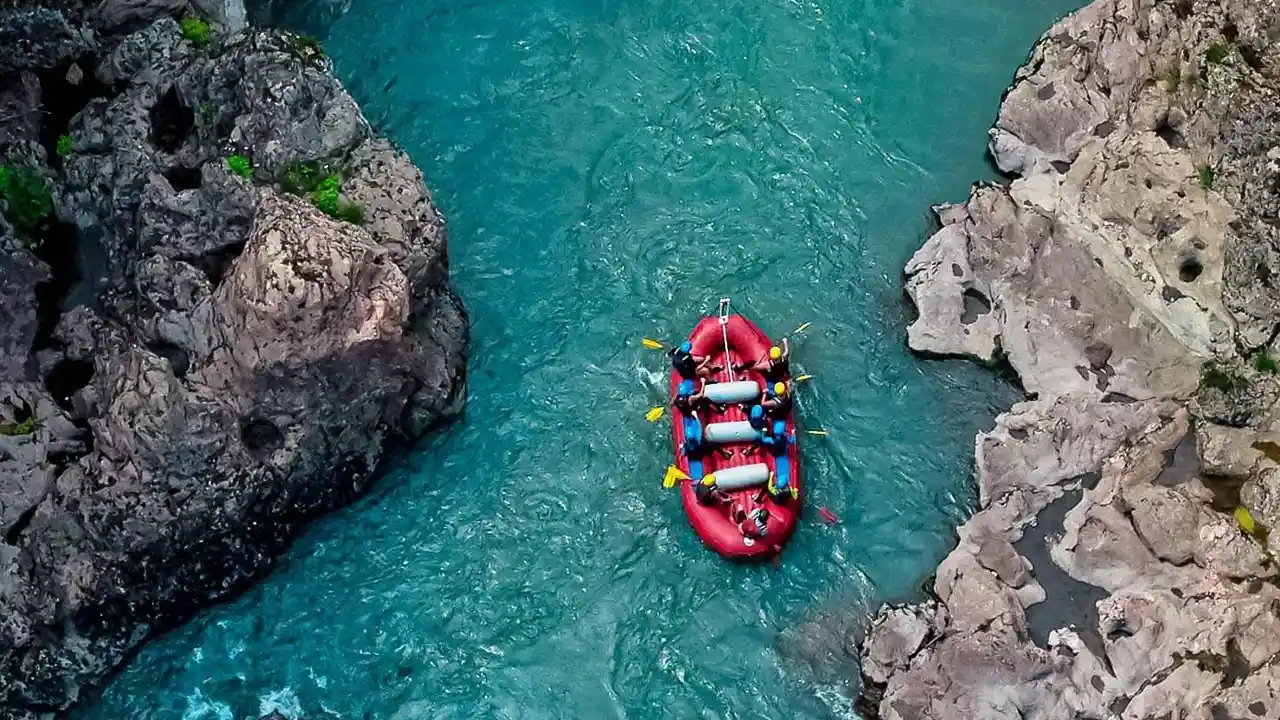
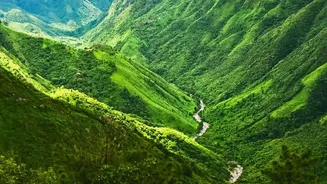
and creating powerful, fast-moving currents where none existed hours before. The geology of the Meghalaya Plateau, with its steep terrain, contributes to rapid runoff, meaning river systems respond almost immediately to downpours. This isn't just more water; it's a faster, more forceful, and debris-laden system that demands extreme caution. Local authorities regularly issue advisories, urging tourists to avoid rivers and waterfalls during and after heavy rain precisely because conditions can change so quickly.
Reading the Surface: Visual Clues of Danger
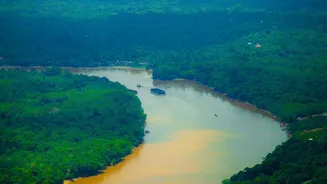
Before you even consider entering the water, stop and observe. The river's surface tells a story. Look for murky, brown water, which indicates high sediment content and likely a strong, fast flow carrying debris. Pay attention to the formation of Vs in the water. A V pointing downstream can indicate a clear channel, but a V pointing upstream signals an obstruction under the surface, such as a rock, which the water is flowing around. Also, watch for 'boils'—areas where water appears to be boiling on the surface. This is caused by turbulent water being forced up from below and indicates deep, powerful currents. Deceptively calm patches amidst choppy water can also be a sign of a rip current, which is a strong channel of water flowing away from the shore.
Hidden Hazards Beneath the Water
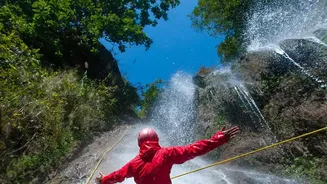
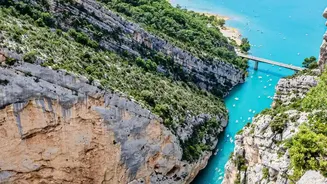
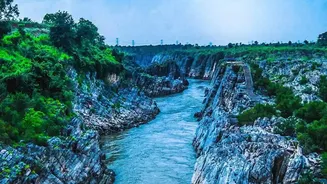
Some of the greatest dangers in a river are invisible from the bank. 'Strainers' are one of the most serious hazards; these are obstacles like fallen trees or submerged branches that allow water to pass through but will trap a person, pushing them underwater with incredible force. Another hidden threat is an 'undercut' rock, where the current has eroded the riverbank or a large rock from below, creating a cavity. The current can pull you into this space with no way out. In canyon environments, these features are common and extremely difficult to spot. Always assume these hazards exist, especially in narrow gorges and after heavy rains that can shift riverbeds and introduce new debris.
How to Roughly Gauge a River's Speed
You don't need special equipment to get a basic idea of the river's speed. A simple and effective method is the 'stick test'. Find a spot where you can safely stand near the edge and observe a clear stretch of water. Throw a stick into the current upstream from your position and watch how fast it travels a set distance. If it moves faster than a normal walking pace, the current is likely too strong to navigate safely on foot. Any current that can knock you off your feet is a drowning risk. Remember, it only takes about six inches of fast-moving water to sweep a person away, and two feet to float a vehicle.
The Golden Rules for Canyon and River Safety
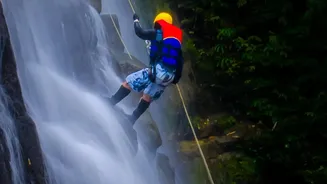
Official advisories from Meghalaya's district authorities provide clear, non-negotiable rules for safety. First, always check the weather forecast before you head out. Second, never go into canyons or near powerful rivers alone; it is best to go with an experienced local guide. Third, always wear a life jacket (Personal Flotation Device) when near water, even if you are a strong swimmer. Fourth, never stand on slippery rocks at the edge of waterfalls or fast-flowing rivers, as many accidents happen this way. Finally, have an emergency plan. Tell someone your exact plans and when you expect to return, and carry emergency contact numbers. If you have any doubt about the safety of a river, do not enter it. Turning back is the smartest decision you can make.