



1. The Autumn Jewel: Persimmon
Often mistaken for a pale tomato, the persimmon is a vibrant orange fruit that signals the arrival of fall. If you've been hesitant to try one, you’re not alone; many shoppers are unsure what to do with them. But unlocking their potential is simple. There
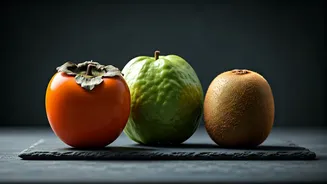
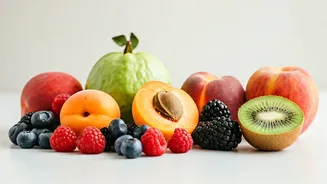
are two main varieties you'll find in U.S. stores: Fuyu and Hachiya. The Fuyu is squat and firm, perfect for eating raw like an apple (peeled or unpeeled). It’s crisp, sweet, and has subtle notes of cinnamon and honey. The Hachiya is acorn-shaped and must be eaten when it's jelly-soft to the touch; its flesh is custardy, rich, and intensely sweet, ideal for spooning directly from the skin or blending into smoothies and baked goods. Beyond its unique flavor, the persimmon is a nutritional workhorse. It’s packed with Vitamin A, which is crucial for vision, immune function, and cell growth. A single persimmon can provide a significant portion of your daily requirement. They are also a great source of fiber, which aids digestion and helps you feel full longer. To pick a good one, look for a Fuyu that is firm and brightly colored. For Hachiyas, seek out ones that are deep orange and feel like a water balloon—that’s when they’ve lost their astringency and are perfectly ripe.
2. The Tropical Powerhouse: Guava
Walk past the guava in the specialty produce section and you might catch its scent before you see it: a heady, floral, and unmistakably tropical aroma. This humble fruit, which can range from green to yellow to pink on the outside, is a nutritional superstar hiding in plain sight. Many Americans associate it with juice or paste, but fresh guava is an experience all its own. The flavor is a complex blend of strawberry, pear, and grapefruit—sweet, slightly tangy, and incredibly refreshing. What truly sets guava apart is its staggering Vitamin C content. A single serving can contain more than four times the Vitamin C of an orange, making it one of the best natural sources for boosting your immune system and supporting skin health. It’s also exceptionally high in dietary fiber, which promotes gut health and stable blood sugar. Don't be shy about the small, hard seeds in the center; they are perfectly edible and add a nice crunch. To enjoy, simply wash the guava, slice it into wedges, and eat it skin and all. It’s a perfect addition to a fruit salad, a great partner for cheese, or a fantastic snack on its own.
3. The Kiwi's Sweeter Cousin: Golden Kiwi
You know the green, fuzzy kiwifruit. But have you met its sophisticated cousin? The golden kiwifruit, with its smooth, bronze-colored skin and vibrant yellow flesh, is a game-changer. While the green variety has a signature tartness, the golden kiwi is consistently sweeter, with a flavor profile often described as a mix of mango and strawberry. Its less acidic nature makes it a favorite among those who find green kiwis too tangy. The convenience factor is also high. The skin is so thin and smooth that it’s technically edible, though most people prefer to slice it in half and scoop out the juicy flesh with a spoon—no peeling required. This makes it an ideal, no-mess snack for lunchboxes or a quick breakfast. Nutritionally, it follows the family tradition of being excellent for you. Golden kiwis are an exceptional source of Vitamin C, with a single fruit often providing well over 100% of your daily needs. They also offer a good amount of Vitamin E, potassium, and fiber. If you see these next to their green counterparts, grab a few. They offer a familiar form with a surprisingly different—and delightful—taste.