





Beyond the Meal Itself
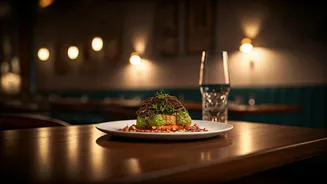
A restaurant's brand is no longer defined solely by its food. While quality and taste are essential, the overall customer experience is what transforms a one-time visitor into a loyal advocate. Think about a favorite restaurant. The memory is likely a collage
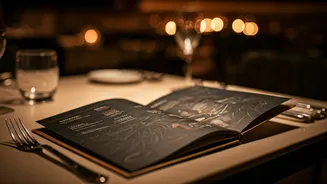
of sensations: the buzz of conversation, the specific lighting, the texture of the menu, and the way the staff made you feel. This is because branding has become the sum of all consumer experiences and associations with your restaurant. These elements combine to create an emotional connection that outlasts the meal itself, forming the foundation of a memorable brand that customers will return to and recommend.
The Potent Flavor of Nostalgia
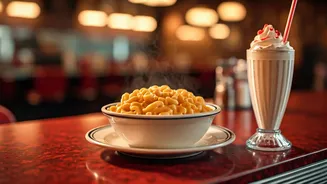
Nostalgia is a powerful tool in a restaurant's branding arsenal. Tapping into positive memories can create an immediate emotional shortcut, making customers feel a sense of comfort and familiarity. This can be achieved by reviving classic dishes, perhaps with a modern twist, or designing a space that evokes a cherished era. This strategy works because it connects the brand to a time when life felt simpler or more carefree, transferring those warm feelings directly onto the dining experience. When customers feel that nostalgic connection, they are often more likely to spend money and develop a deeper loyalty to the brand. A menu can be strategically designed to include dishes that trigger these feelings, creating a powerful bond rooted in shared cultural or personal history.
An Experience for Every Sense
The most powerful memories are multi-sensory. Beyond taste and sight, restaurants can strategically use sound, scent, and touch to craft an unforgettable atmosphere. Scent is particularly potent, as it is strongly tied to memory and emotion. The aroma of freshly baked bread or brewing coffee can make an establishment instantly more inviting and memorable. Sound also plays a crucial role; the right music can influence a customer's pacing and mood, encouraging them to relax and stay longer or facilitating a quicker turnover in a fast-casual setting. Even tactile elements, like the weight of the cutlery, the texture of the napkins, or the finish of the tabletops, contribute to the overall perception of quality and brand identity.
The Power of a Good Story
People don't just buy a product; they buy the story behind it. Storytelling allows a restaurant to build a unique identity and form a genuine, emotional connection with its customers. This narrative can take many forms: the history of the restaurant, the chef's personal journey, the origin of a signature recipe, or the commitment to sourcing ingredients from local suppliers. By sharing these stories through social media, menu design, and staff interactions, a restaurant becomes more than just a place to eat—it becomes a brand with personality and values. This narrative makes the dining experience more personal and memorable, giving customers a reason to feel connected to the brand beyond what's on their plate.
From Moments to Loyalty
Ultimately, turning memory into brand value is about consistency. A single great experience is a start, but building loyalty requires turning memorable moments into reliable rituals. This means ensuring that every touchpoint, from the online reservation system to the final thank you, aligns with the brand's desired emotional tone. By delivering a consistently positive and unique experience, restaurants encourage customers to return. When a customer knows they can count on a certain feeling—be it comfort, excitement, or a sense of belonging—the restaurant transitions from a simple option into a trusted destination. This emotional loyalty is far more valuable and durable than loyalty built on discounts alone.