



The Evolving Festive Palate
For generations, Navratri has been synonymous with fasting, with kitchens adopting a 'satvik' menu free of grains, onions, and garlic. While that tradition remains strong, a parallel culinary movement is gaining momentum. Restaurants and home cooks are
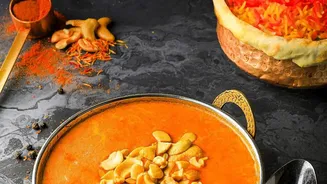
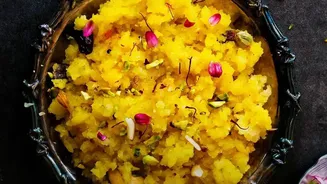
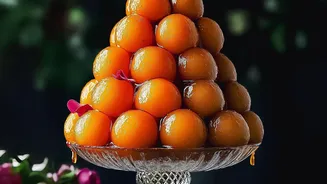
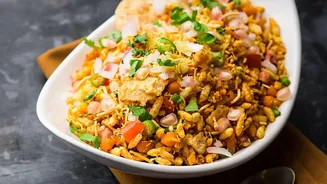
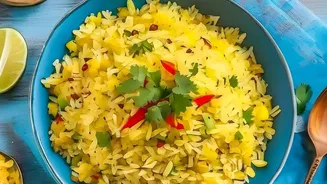
now exploring gourmet interpretations of fasting food. The focus is shifting from simple sustenance to curated dining experiences. Think less about basic preparations and more about 'kuttu' (buckwheat) tacos, 'samak' (barnyard millet) risotto, and baked sweet potato tikkis instead of deep-fried ones. The classic Navratri thali is also receiving a stylish makeover, with artisanal presentations in small bowls and deliberate plating. Desserts are no exception, with chefs crafting lauki mousse and jaggery phirni with makhana praline, proving that fasting food can be both innovative and sophisticated. This shift is driven by a desire for healthier, more visually appealing meals that feel both indulgent and compliant with tradition.
Styling the Sacred and Social Space
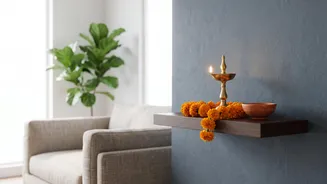
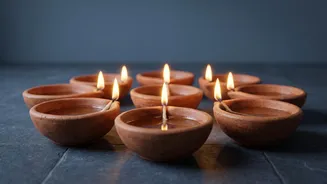
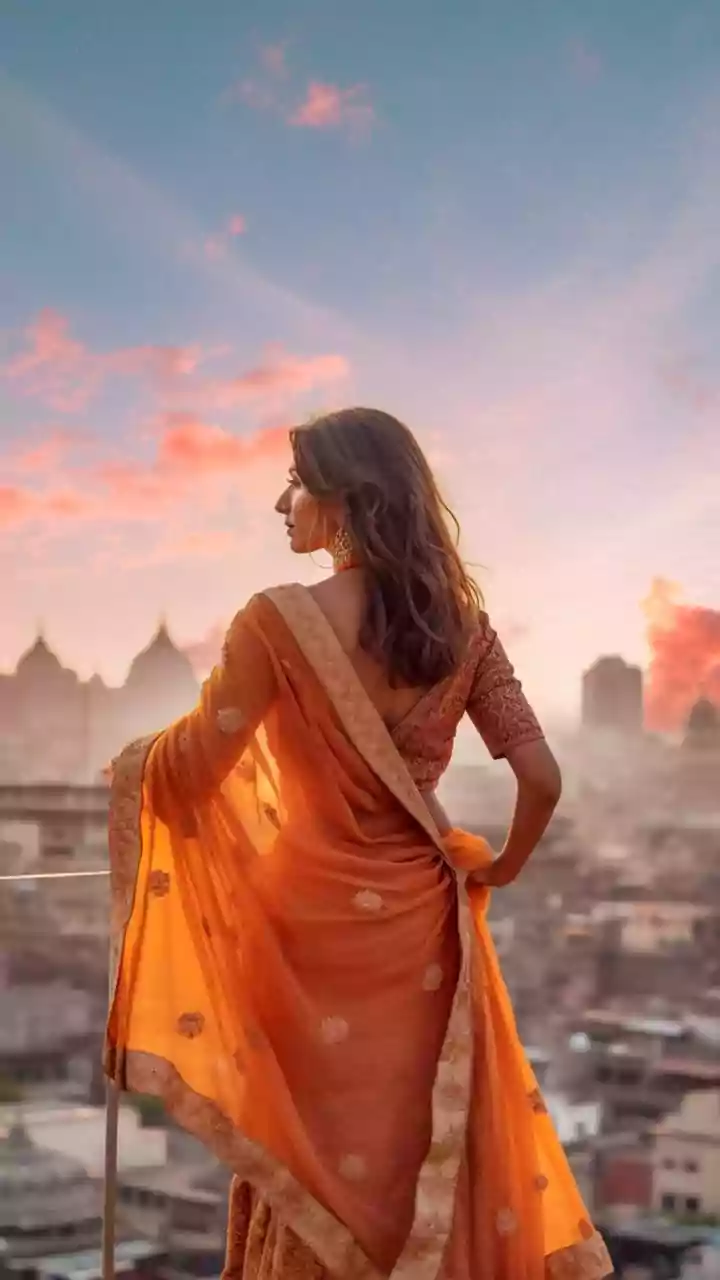
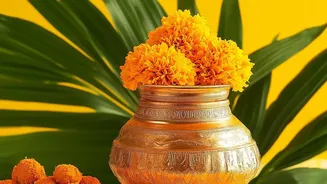
Home decor during Navratri is also seeing a significant evolution. While diyas, fresh flowers, and colourful rangolis remain staples, there is a growing trend of thematic and stylised home makeovers. Homeowners are moving beyond just decorating the pooja corner to creating a holistic festive atmosphere throughout the house. This includes aligning decor with the specific colour designated for each of the nine days, using matching cushion covers, drapes, and throws. There is also a notable fusion of traditional and modern aesthetics. Handcrafted torans are paired with elegant fairy lights, and brass urlis filled with floating candles sit alongside minimalist decor accents. Another significant trend is the move towards sustainability, with a preference for clay idols, reusable fabrics, and eco-friendly handmade decorations over synthetic alternatives. This approach allows families to personalise their space, making it a warm, inviting hub for gatherings that reflects both devotion and modern design sensibilities.
From Local Gatherings to Festive Getaways
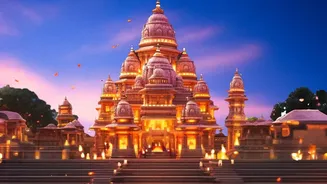
Perhaps the most significant new trend is the emergence of Navratri-themed travel. What was once a community-centric festival is now an opportunity for short-break holidays and spiritual retreats. Tour operators are curating special Navratri packages to destinations famous for their unique celebrations, like Gujarat for its vibrant garba nights and West Bengal for Durga Puja. These tours offer immersive cultural experiences, combining temple visits, festive rituals, and local sightseeing. The trend isn't limited to pilgrimage. Many are opting for wellness getaways in serene locations like hill stations, combining the festive period with a chance to relax and rejuvenate. This shift reflects a broader change where festivals are increasingly seen as a time for experiences and creating memories, extending the celebration from the home and neighbourhood to destinations across the country.
A Reflection of Modern India
This expansion of Navratri traditions is rooted in the commercialisation and changing social dynamics of modern India. The rise of a multi-crore industry around large-scale garba events, complete with corporate sponsorships and celebrity appearances, began decades ago and continues to grow. This has sparked debates about preserving cultural authenticity, with some, like actor Paresh Rawal, criticising the commercialisation of a pious festival. The trend has even extended to controversial online services offering to 'rent a garba partner', highlighting a peak in materialism that concerns cultural commentators. This evolution showcases a culture in transition, where ancient traditions are adapting to an experience-driven economy. While the core spiritual essence of Navratri remains, its modern expressions in food, style, and travel reflect a dynamic society finding new ways to celebrate its heritage.