



The Shift to Our Own Species
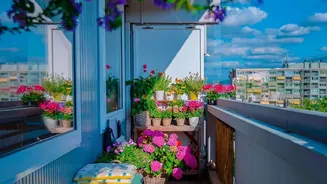
For years, the aspirational balcony garden was often filled with exotic, high-maintenance flowers that looked great in catalogues but struggled in the demanding Indian climate. A growing trend, however, is seeing a return to our roots. Urban gardeners
are increasingly favouring native plants—species that have evolved over millennia to thrive in local conditions. This isn't just about planting a few pots; it's a conscious shift away from delicate imports toward species that are naturally resilient to Indian heat, humidity, and monsoons. This local approach means creating a garden that is not only beautiful but also intelligent, sustainable, and deeply connected to its environment.
Why Go Native? The Ecological Advantage
Choosing native plants offers a host of benefits that go far beyond aesthetics. Firstly, they are champions of water conservation. Adapted to local rainfall patterns, native species require significantly less watering once established, a crucial advantage in a water-conscious world. They also boast a natural resistance to local pests and diseases, which means you can avoid using harsh chemical pesticides. Perhaps most importantly, native plants are vital for local biodiversity. They provide essential food and shelter for native bees, butterflies, birds, and other pollinators, turning your balcony into a small but functional part of a larger ecosystem. By planting native species, you are actively helping to restore a piece of nature in the urban jungle.
Bring Your Balcony to Life: Easy-to-Grow Natives
The best part about this trend is how accessible it is. Many beautiful, hardy native plants are perfectly suited for container gardening on balconies. For fragrant flowers, consider the beloved Jasmine (Mogra or Chameli), whose intoxicating scent is a cultural staple. Hibiscus (Gudhal) offers large, vibrant blooms and thrives in sunny pots. For a splash of cheerful colour, Marigolds (Genda) are incredibly easy to grow and naturally deter pests. Climbers like Aparajita (Butterfly Pea), with its stunning blue flowers, can beautifully adorn railings and trellises. And no Indian home feels complete without Tulsi (Holy Basil), a revered herb that's also a natural air purifier and mosquito repellent. Other excellent choices include the hardy Bougainvillea, Ixora with its bright clusters, and the night-blooming Parijat.
A Deeper Cultural Connection
Gardening with native plants also nurtures a connection to our cultural heritage. Many of these species are woven into the fabric of Indian life, holding significance in festivals, medicine, and daily rituals. The Curry Leaf plant (Kadi Patta) is a kitchen garden essential, bringing fresh aroma to countless dishes. Tulsi is not just a plant but a sacred symbol in many households. The fragrance of Jasmine is tied to memories and traditions passed down through generations. By cultivating these plants, gardeners aren't just decorating a space; they are curating a living collection of stories, scents, and traditions that feel uniquely Indian. It transforms the balcony from a purely ornamental space into one with deeper meaning and purpose.
Getting Started on Your Native Garden
Starting your own native balcony garden is simple. Most of these plants thrive with at least 4-6 hours of sunlight. The key is to avoid overwatering; let the top layer of soil dry out before watering again. Use a well-draining soil mix, which you can create by adding compost and sand to standard garden soil. This is especially important to prevent root rot during heavy monsoons. Feed your plants with organic compost about once a month during their growing season. You can source these plants from local nurseries, which are increasingly stocking native varieties as the demand grows.