





The High Cost of Good Intentions
We've all been there. Enthused by a new recipe or a health kick, we stock our refrigerators with fresh, vibrant produce. But life gets busy, plans change, and that bunch of coriander, bag of spinach, or punnet of raspberries gets pushed to the back. Before
we know it, it’s a soggy, unusable mess destined for the bin. This isn't just a personal failure; it's part of a much larger issue. In India, household food waste is a significant problem, with estimates suggesting that the average person discards around 50-55 kg of food each year. A large portion of this is perishable produce that spoils before it can be consumed. This not only wastes the money spent but also the resources used to grow, transport, and sell that food.
Identify the Delicate Items
Not all fruits and vegetables are created equal in terms of shelf life. The key to this strategy is knowing which items are most likely to spoil quickly. These 'delicate' items are the prime candidates for a change in purchasing habits. This group includes most leafy greens like spinach, coriander, and mint, which tend to wilt and turn slimy. Soft herbs such as basil and dill are also highly perishable. Berries, including strawberries and raspberries, are notorious for their short lifespan and susceptibility to mould. Other items to watch include mushrooms, which can become rubbery or spotty, and green beans. Heartier produce like potatoes, onions, carrots, and cabbage, on the other hand, can still be bought in larger quantities as they last significantly longer when stored correctly.
The Ready-to-Eat Advantage
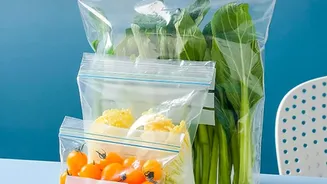
This is where the 'smaller, ready-to-eat' strategy shines. Opting for pre-washed, pre-cut, and pre-portioned produce removes a major barrier to consumption: preparation time. When you're tired after a long day, the thought of washing, peeling, and chopping can be enough to make you opt for a less healthy, more convenient meal. Having ready-to-use vegetables makes it just as easy to toss a handful of spinach into your dal or add sliced mushrooms to an omelette. While pre-cut options might seem more expensive per gram, the cost can be justified if it means you actually use the food you buy, thereby eliminating the money lost on discarded produce. Buying only what you need for the next one or two meals is a powerful way to ensure freshness and fight waste.
But What About Nutrition?
A common concern is that pre-cut produce is less nutritious than its whole counterpart. It's true that exposure to oxygen, light, and heat can cause some nutrient degradation, particularly of sensitive vitamins like Vitamin C. However, studies show that as long as the produce is fresh and has been kept properly chilled, the nutrient loss is often minimal. The nutritional difference between eating pre-cut vegetables and eating no vegetables at all is immense. The convenience factor often leads people to consume more vegetables than they otherwise would, which is a significant health win. When buying pre-cut, always check the packaging date and ensure the product is well-refrigerated in the store. Avoid packages with excess moisture or produce that looks dehydrated.
Smarter Shopping, Smarter Storage
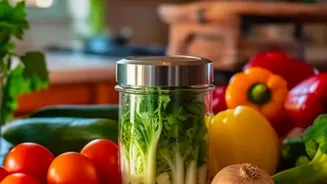
Adopting this strategy requires a small shift in mindset from weekly bulk-buying to more frequent, targeted trips. Plan your meals for the next 2-3 days and buy only the delicate produce you need for that period. For leafy greens, storing them in a sealed bag with a paper towel can absorb excess moisture and extend their life. Soft herbs can be stored like a bouquet of flowers, with their stems in a glass of water in the fridge. This 'just-in-time' approach to shopping for perishables, combined with smart storage for all your produce, is the most effective way to keep your crisper full of fresh, usable ingredients rather than disappointment.