



The Significance of Sattvic Eating in Shravan
Shravan coincides with the monsoon season, a time when Ayurveda suggests our digestive fire, or 'agni', is naturally weaker. The traditional diet during this month, known as a 'sattvic' diet, supports this physiological shift. It emphasizes pure, light,
and easy-to-digest foods that calm the mind and body. This means avoiding heavy, tamasic (dull) and rajasic (stimulating) foods like onion, garlic, and non-vegetarian items. Instead, the focus shifts to seasonal produce that is fresh, hydrating, and packed with nutrients to boost immunity against common monsoon ailments. Eating seasonally during Shravan is not just a religious ritual; it's a time-tested practice for holistic well-being.
Gourds: The Unsung Heroes of Monsoon
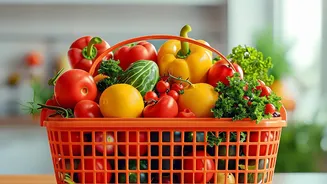
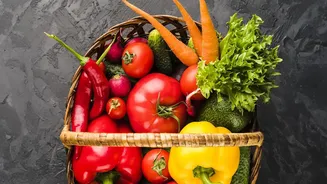
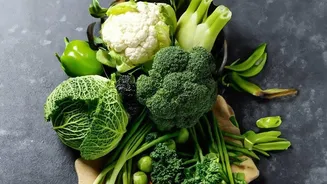
Gourds are a cornerstone of the Shravan diet for good reason. Vegetables like bottle gourd (lauki), ridge gourd (turai), and pumpkin (kaddu) are abundant during the monsoon. They are incredibly light on the stomach, high in water content, and easy to digest, which is ideal when digestive strength is low. Lauki, in particular, is known for its cooling properties. These vegetables can be prepared in simple, flavourful ways without onion or garlic, often using cumin, green chillies, and rock salt (sendha namak) for seasoning, making them perfect for fasting meals.
Root Vegetables for Sustained Energy
While many fasts can leave you feeling depleted, incorporating the right root vegetables provides sustained energy. Potatoes, sweet potatoes (ratali), and taro root (arbi) are permitted and widely consumed during Shravan fasts. Sweet potatoes are a fasting essential, packed with fibre, vitamins, and complex carbohydrates that keep you full and energized. They can be simply boiled and eaten with a sprinkle of rock salt or roasted for a satisfying snack or meal component. These vegetables ground the diet, providing the necessary fuel to get through the day while observing fasts.
Cucumber: The Ultimate Hydrating Snack
Cucumber is another excellent choice for Shravan. Comprising mostly water, it is extremely hydrating and cooling for the body, helping to combat bloating and keep the system refreshed. Its light nature makes it a perfect addition to a sattvic diet. A simple cucumber salad, perhaps with roasted peanuts and a squeeze of lemon, can be a refreshing and satisfying dish that adheres to fasting rules. It provides essential nutrients without taxing the digestive system, making it a smart and simple choice for the season.
Monsoon Fruits: Nature’s Sweet Offerings
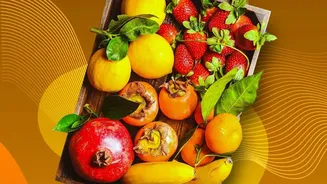
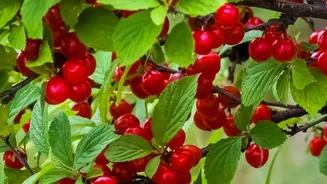
Shravan is also a time to enjoy a variety of seasonal fruits. Monsoon brings with it an abundance of fresh produce like apples, bananas, and pomegranates. Fruits are a primary source of natural sugars, vitamins, and antioxidants, providing instant energy and hydration. They are a cornerstone of any fasting diet ('vrat'). Other seasonal gems like pears and peaches are also excellent choices. They are rich in fibre and Vitamin C, which helps boost immunity during a season known for infections. Incorporating a variety of these fruits ensures you get a wide spectrum of nutrients.
Embracing a Balanced Approach
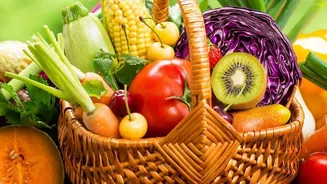
While fruits and vegetables are central to the Shravan diet, a balanced approach is crucial for maintaining health and energy. Relying solely on fruits can lead to blood sugar fluctuations and leave you feeling hungry. To create a more rounded and satisfying diet, it's wise to combine these fresh picks with other sattvic staples. Vrat-friendly flours like buckwheat (kuttu) and amaranth (rajgira), along with dairy products like milk and curd, and energy-dense nuts can be included. This combination ensures you receive a mix of carbohydrates, protein, and healthy fats, allowing you to observe the holy month in a way that nourishes both body and soul.