







What is an Experience-First Holiday?
For decades, a successful holiday was measured by the number of landmarks ticked off a list. That model is quickly becoming outdated. Experience-first travel flips the script entirely. Instead of planning a trip around a place, travellers are now planning it
around an activity or a feeling. It’s the difference between seeing a market and taking a cooking class with a local chef, or between lying on a beach and getting a scuba certification to explore the reefs below. Recent industry reports show that a growing number of tourists, especially in the Asia-Pacific region, are building entire trips around singular passions like wellness retreats, music festivals, or sports tournaments. This shift is about prioritising personal enrichment and creating lasting memories over simply collecting photos.
Why This Shift is Happening Now
The post-pandemic world has fundamentally changed our priorities. After years of restrictions, travellers are seeking more meaningful connections and purpose-driven journeys. There's a pent-up demand not just to travel, but to truly live and feel something new. More than 90% of Asia-Pacific travellers now say that activities are a key, intentional part of their travel budget, a figure higher than the global average. This desire for authenticity is also a reaction to overtourism and cookie-cutter holidays. People are now more willing to explore a single neighbourhood deeply than to rush through five cities in a week. In India, for instance, younger generations are increasingly valuing travel experiences over savings, driving a boom in this sector.
Theme Parks: From Rides to Immersive Worlds
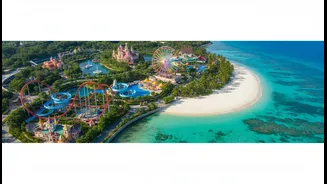
Even traditional attractions like theme parks are evolving to meet this new demand. The focus is no longer just on rollercoasters, but on building entire, immersive worlds that let you live out a story. Japan is a major hub for this evolution, with the recent opening of PokéPark Kanto in Tokyo, which allows fans to wander through a forest spotting Pokémon in their 'natural habitat'. Similarly, Ghibli Park offers a chance to step directly into the enchanting worlds of Studio Ghibli's films. These parks, along with others like the new Fantasy Springs at Tokyo DisneySea and Donkey Kong Country in Osaka, are designed for deep engagement, turning a day trip into a narrative adventure.
Islands: More Than Just Sun and Sand
The classic island getaway is also getting an experiential makeover. While beautiful beaches are still a draw, travellers are now looking for more. An island trip might now be centred on a multi-day trek to a volcanic crater lake in Lombok, Indonesia, or joining a marine conservation program in the Philippines. In places like Palawan, tours focus on kayaking through hidden lagoons and learning about sustainable tourism. The rise of eco-resorts across Southeast Asia, like those in the Johor Marine Park in Malaysia or Song Saa Private Island in Cambodia, cater to this by offering experiences that connect guests with local culture and environmental stewardship, from supporting turtle conservation to participating in reef restoration.
The Boom in Bookable Activities
The ease of finding and booking these unique activities is a major driver of the trend. Digital platforms have made it simple to plan a holiday around specific interests. Research shows that nearly a quarter of travellers now choose an activity before even selecting their destination. You can book a lantern-making workshop in Hoi An, Vietnam, an elephant sanctuary visit in Chiang Mai, Thailand, or a K-pop dance class in Seoul with just a few taps. This 'à la carte' approach allows for deep personalisation. It empowers travellers to build a trip that is perfectly tailored to their passions, whether that’s history, cuisine, adventure, or wellness, making the journey uniquely their own.