

The Hidden Dangers in Every Puddle
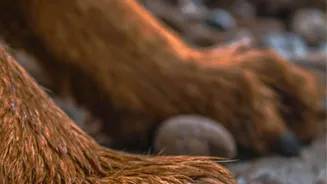
While a little mud seems harmless, the constant dampness of the monsoon creates a perfect breeding ground for bacteria and fungi. When your dog’s paws remain wet for extended periods, they become vulnerable to a range of painful conditions. The skin between
the paw pads can become soft and weak, making it prone to irritation and injury. This persistent moisture can lead to pododermatitis, a painful inflammation of the paws, characterised by redness and swelling. Fungal infections, like yeast, thrive in these damp, warm crevices between the toes, causing intense itchiness, a distinct musty odour, and discoloration of the surrounding fur. Furthermore, stagnant water in puddles can harbour harmful bacteria, including the one that causes leptospirosis, a serious disease that can be contracted if your dog drinks from or wades through contaminated water.
Your Essential Post-Walk Paw Cleaning Kit
Being prepared can turn paw cleaning from a chore into a quick, effective routine. You don’t need a lot of expensive gear; a few simple items kept by the door will make all the difference. First, a highly absorbent microfibre towel is a must-have for getting paws as dry as possible. Next, you'll need a way to wash away the grime. This could be a gentle paw cleanser, dog-friendly antiseptic wipes, or a simple container of lukewarm water. For long-haired breeds, a small pair of grooming scissors is useful for keeping the fur between the paw pads trimmed, as this hair can trap significant amounts of mud and moisture. Finally, consider a soothing paw balm or wax. This isn't just a cosmetic treat; it helps to moisturise and heal pads that may become dry or cracked from repeated exposure to wet conditions and creates a protective barrier.
A Step-by-Step Guide to Perfect Paw Care
The key to preventing infections is a consistent routine after every single walk. Start as soon as you get inside to avoid tracking muck through the house and to tackle moisture immediately. First, use a towel or pet-safe wipe to remove any visible mud and debris. Pay close attention to the gaps between the toes and around the nails, as this is where dirt loves to hide. Next, wash the paws. You can use a dedicated paw washer, a shallow tray of water, or simply a washcloth soaked in warm water with a tiny amount of dog-friendly shampoo. Once washed, the most critical step is to dry them thoroughly. Use a clean, absorbent towel and gently pat and squeeze each paw, ensuring you dry the areas between the pads completely. Trapped moisture is the primary cause of many monsoon-related paw issues. Finally, inspect each paw for cuts, scrapes, thorns, or any signs of irritation before applying a thin layer of paw balm to protect the pads.
Red Flags: When to See a Veterinarian
Diligent cleaning will prevent most problems, but it's important to know the signs of a developing infection. If you notice your dog is constantly licking, chewing, or biting at their paws, it's a clear indicator of discomfort. Visually inspect their paws under good light. Warning signs include redness and swelling, especially between the toes, or a foul, musty smell. You might also see some discharge, which can be yellow, brown, or clear, or notice that the skin looks crusty or scaly. Any changes in your dog's gait, such as limping or a reluctance to put weight on a particular foot, should also be taken seriously. While mild irritation might resolve with home care, if you see any of these signs persisting or worsening, it is crucial to consult a veterinarian promptly to get an accurate diagnosis and appropriate treatment.