

Why the Shift to Secluded Spots?
The draw of popular waterfalls near Mumbai and Pune often comes with the downside of traffic jams and large crowds, diminishing the experience of being in nature. In response, trekkers, families, and solo travellers are increasingly venturing off the beaten
path. They are trading well-known names for the thrill of discovery and the peace of hearing nothing but the roar of cascading water. This shift is fuelled by a desire for more authentic connections with nature and the joy of finding a slice of paradise away from the hustle. Social media plays a role, with stunning images of these hidden gems inspiring others to seek them out, yet many remain tranquil escapes for those willing to make the journey.
Devkund Waterfall: The Pool of the Gods
Tucked away inside a dense forest near Bhira village in Raigad district, Devkund Waterfall is a reward for the persistent trekker. The name translates to "the bathing pond of the gods," and the sight lives up to the name: a powerful plunge waterfall that empties into a stunningly clear, blue-green pool. The trek itself is a major part of the appeal, spanning roughly 5-6 km one way and taking about two to three hours. The trail winds through lush forests and requires a couple of stream crossings, making it a moderate but immensely satisfying adventure. Note that authorities often close the trek during peak monsoon months (typically June to September) due to dangerously high water levels, so it's crucial to check local conditions before planning a trip. The best time to visit is just after the monsoon, from October to February, when the water flow is still majestic and the pool is at its most beautiful.
Kataldhar Waterfall: Lonavala’s Hidden Giant
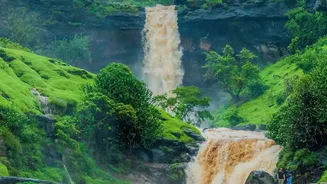
While Lonavala is famous for its waterfalls, Kataldhar remains one of its best-kept secrets. Located in the Ulhas Valley, this gigantic waterfall, approximately 350 feet high, is not for the casual tourist. Reaching it involves a challenging trek through a dense, dark forest where sunlight barely touches the ground in places. The trail is confusing and slippery, making a local guide highly recommended, if not essential. The name 'Kataldhar' means 'waterfall from a rock cliff,' and its most unique feature is the huge cave that has formed behind the cascade, allowing trekkers to stand behind the sheet of falling water. This trek is considered moderate to difficult and takes about three hours one way. The experience is raw and wild, offering a stark contrast to the more commercialised spots nearby.
Thoseghar Falls: A Roaring Spectacle in Satara
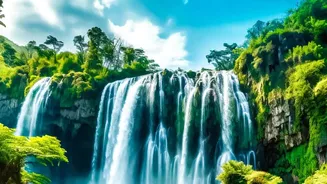
Located about 20 km from Satara city, Thoseghar is not a single fall but a series of cascades, with the tallest plunging from a height of nearly 200 meters. The sound of the main waterfall can be heard from a distance, creating a sense of anticipation as you approach. Unlike other waterfalls that require strenuous treks, Thoseghar is more accessible, with a well-maintained viewing platform that allows for safe and spectacular views of the gorge. This makes it an ideal destination for families and those not looking for a difficult hike. The area becomes a lush paradise during the monsoon months of July to November. For those wanting more, the Chalkewadi windmill farms and the historic Sajjangad Fort are located nearby.
Vajrai Waterfall: India’s Tallest Three-Tiered Fall
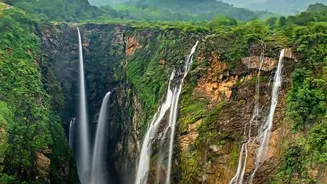
Claimed to be one of India's tallest waterfalls, Bhambavli Vajrai Waterfall near Satara is a magnificent three-step cascade plunging from a height of around 1,840 feet (560 meters). The waterfall is the origin of the Urmodi River and remains a relatively tranquil spot, free from the usual crowd of vendors. Its location near the famous Kaas Plateau, a UNESCO World Heritage site, makes it a great addition to a longer trip. While there's a viewing point, reaching the base involves a more adventurous trek that can be risky during heavy monsoons due to slippery paths and the presence of leeches. Swimming is strictly prohibited due to the depth of the pools. The best time to visit is during the monsoon when the fall is at its most powerful, offering a truly humbling display of nature's force.