





The 'Little Brain' Gets a Big Promotion
Historically, the cerebellum—a densely folded structure at the back of the brain—was credited with one primary job: coordinating movement. If you could walk a straight line, catch a ball, or type a sentence, you had your cerebellum to thank. This view
was so established that for decades, research into movement disorders like ataxia, dystonia, and essential tremor focused almost exclusively on this motor control function. The thinking was straightforward: if movement is impaired, the problem must lie in the brain's motor command centre. This perspective, while not wrong, is now understood to be dramatically incomplete. Science is revealing that the 'little brain' has a far more expansive and complex role than ever imagined.
Discovering a Hidden Social Network
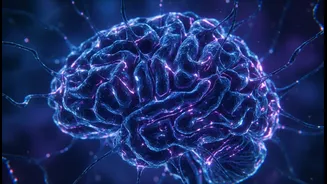
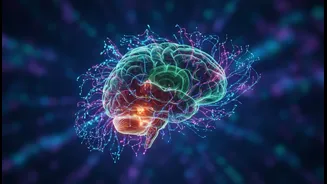
The major shift began when modern neuroimaging technologies allowed scientists to see the brain in action with unprecedented detail. Functional MRI (fMRI) studies started showing the cerebellum lighting up during tasks that had nothing to do with movement, such as language processing, memory recall, and even emotional regulation. Researchers discovered that the cerebellum is densely interconnected with parts of the cerebral cortex responsible for higher-order thought, decision-making, and social cognition. It wasn't just a motor device; it was a crucial node in distributed brain-wide networks that govern who we are and how we think and feel. This has led to the identification of the 'cerebellar cognitive affective syndrome', a set of non-motor symptoms like impaired executive function and mood changes that can result from cerebellar damage.
Connecting the Dots to Movement Disorders
This new understanding has profound implications for movement disorders. For years, clinicians have known that conditions like Parkinson's disease are not just about tremors or stiffness; they often involve significant non-motor symptoms like depression, anxiety, and cognitive decline. The traditional model, which focused solely on the basal ganglia, couldn't fully explain these aspects of the disease. The research shift toward cerebellar networks provides a compelling explanation. If the cerebellum is a hub that connects motor control with cognition and emotion, then dysfunction in its circuits could logically produce both motor and non-motor symptoms simultaneously. Studies now show that the same neural pathways connecting the cerebellum to the cortex that are involved in thought and emotion are disrupted in disorders like dystonia and Parkinson's, providing a unified theory for a complex set of symptoms.
A New Frontier for Treatment
This paradigm shift isn't just academic; it's opening a new frontier for treatment. Understanding that the cerebellum is a key player in widespread brain networks gives researchers a new, and in some cases better, target for therapies. For example, deep brain stimulation (DBS), a procedure that uses implanted electrodes to regulate abnormal brain activity, has traditionally targeted other brain regions. Now, clinical researchers are exploring the cerebellum as a promising target for DBS to treat tremors and other movement disorders that haven't responded well to conventional approaches. Similarly, non-invasive techniques like transcranial magnetic stimulation (TMS) are being applied to the cerebellum to improve symptoms in conditions like spinocerebellar ataxia, Parkinson's, and essential tremor, with promising initial results. By targeting the cerebellum, these therapies may be able to modulate the entire dysfunctional network, potentially alleviating both motor and non-motor symptoms.