






What is AI-Ready Hiring?
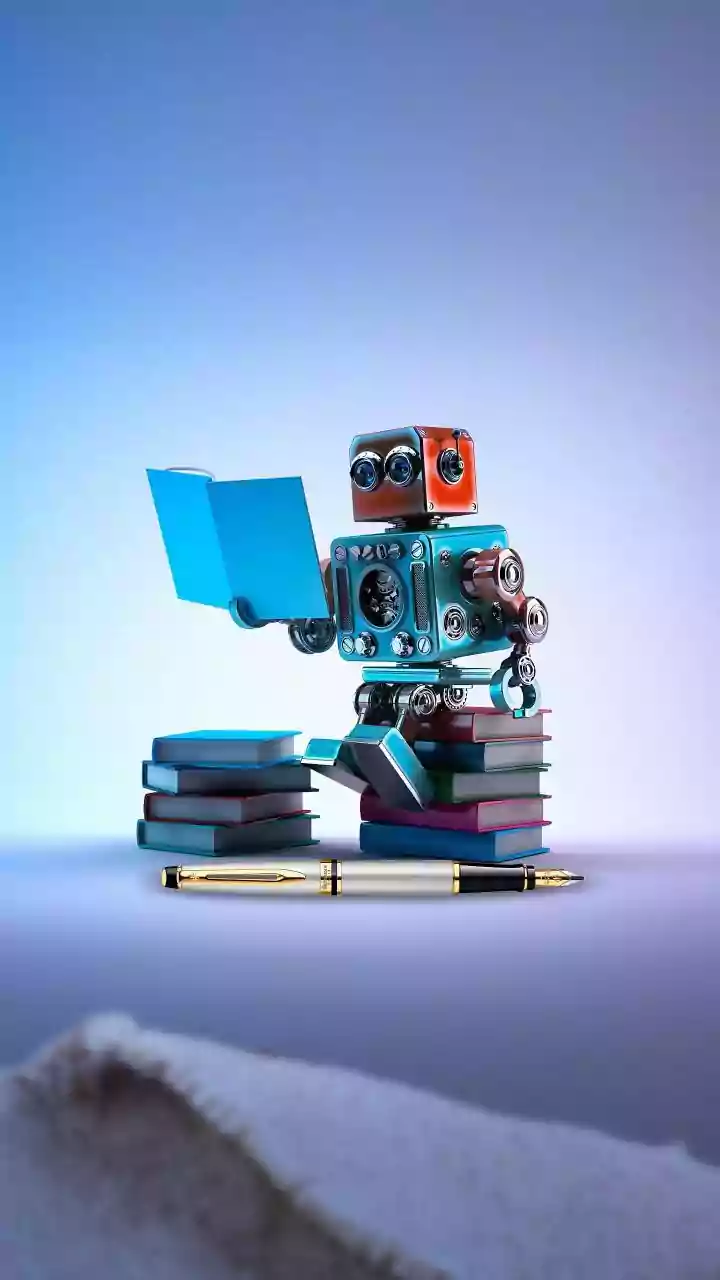
Forget images of robots conducting interviews. 'AI-ready hiring' refers to companies using smart software to make recruitment more efficient. The most common tool is the Applicant Tracking System (ATS), which acts as a digital gatekeeper. When a company
in Bengaluru receives thousands of applications for a single role, an ATS can scan and rank every resume in minutes based on how well it matches the job description. This isn't just about speed; AI tools also help with scheduling interviews, sending automated updates, and even analyzing skills across different languages, a huge advantage in India's diverse talent pool. For job seekers, this means the first hurdle is no longer a person, but an algorithm.
The New Gatekeeper: Your Resume vs. The ATS
Since an AI system is likely the first 'reader' of your resume, you need to write for it. These systems aren't impressed by fancy graphics, columns, or tables; in fact, these elements can confuse them and lead to your resume being rejected. The key is a clean, single-column format with standard headings like 'Work Experience' and 'Education'. More importantly, you must tailor your resume for every single application. This involves carefully reading the job description and using the exact keywords and skill phrases mentioned. If the ad asks for 'data analysis' and your resume says 'data interpretation,' the system might not see a match. Aiming for an 80-90% keyword match significantly increases your chances of passing the initial screening.
Beyond the Resume: AI in Assessments and Interviews
Getting past the ATS is just the first step. Increasingly, companies are using AI in later stages too. This includes AI-proctored online tests that monitor for cheating, gamified assessments that evaluate problem-solving skills, and even one-way video interviews. In these video interviews, an AI might analyze your speech patterns and word choices to assess communication clarity and confidence. Some platforms in India are even launching free 'AI Interview Prep Lounges' where candidates can practice with an AI, receive instant feedback, and build confidence before facing a real recruiter. This trend shows that demonstrating your skills is becoming as important as listing them.
Developing an 'AI-Proof' Skillset
While it's crucial to understand how to navigate AI hiring tools, the long-term strategy is to build skills that AI cannot easily replicate. Employers are increasingly looking for a combination of technical ability and uniquely human strengths. Technical skills in high demand include AI/ML, data analytics, cloud computing, and cybersecurity. But beyond that, soft skills like critical thinking, creativity, emotional intelligence, and complex problem-solving are becoming more valuable because they are hard to automate. Companies are shifting from hiring based purely on degrees to a 'skills-first' approach. This means your ability to learn, adapt, and collaborate matters more than ever.
The Human Element Still Decides
It's easy to feel like you're just trying to please a machine, but remember: AI is a tool to filter, not to make the final decision. The goal of all this technology is to reduce the massive volume of applications to a manageable shortlist of the most qualified candidates for a human recruiter to connect with. Your personality, your enthusiasm, and how well you fit into the company's culture are things a human assesses in the final interview rounds. AI is changing the rules of the game, but the final goal remains the same: to prove you're the best person for the job. Your strategy should be to optimize your application for the AI screen while ensuring your authentic voice and accomplishments shine through for the human who will ultimately hire you.