





What's Old Is New Again
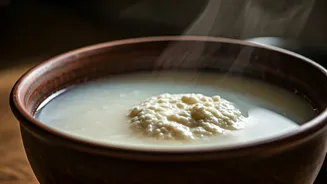
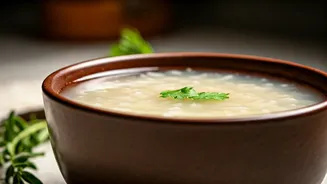
Before you dismiss it as another fleeting social media craze, understand that fermented rice water and curd-based soups are deeply rooted in Indian culinary traditions. Known as 'pazhamkanji' in Kerala, 'panta bhat' in Bengal, or simply 'geeli bhaat'
in many households, the practice of soaking leftover cooked rice in water and letting it ferment overnight is centuries old. It was the original farmer's breakfast—a nourishing, cooling, and energy-boosting meal. Similarly, curd-based drinks and soups like 'chaas' (buttermilk) or 'majjige huli' have always been staples for their digestive and hydrating properties. What we're seeing now isn't an invention, but a modern appreciation for the profound health benefits our grandparents knew all along.
The Science of Fermentation
So, what’s the magic behind fermentation? It’s a natural process where microorganisms like bacteria and yeast break down carbohydrates—like the starch in rice—into other substances, including lactic acid. This process does several wonderful things. First, it acts as a natural preservative. Second, it makes the food easier to digest by pre-breaking down complex components. Third, and most importantly for gut health, it creates a rich environment for probiotics. These are the 'good' bacteria that are essential for a healthy digestive system. When you consume fermented foods, you're essentially delivering reinforcements to the beneficial bacteria colony living in your gut.
Probiotic Powerhouses: Rice and Curd
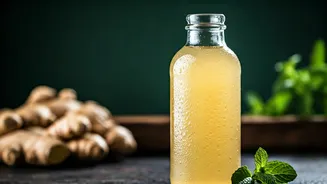
Let’s look at the two stars of this trend. Fermented rice water is a treasure trove of goodness. The fermentation process increases the bioavailability of micronutrients like iron, potassium, and calcium from the rice. It's also packed with B-vitamins, particularly B12, which is often harder to get from plant-based diets. The liquid is teeming with lactic acid bacteria, which helps maintain a healthy gut pH and supports the immune system.
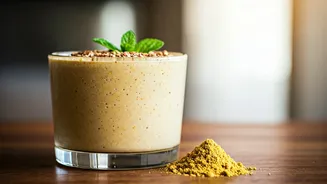
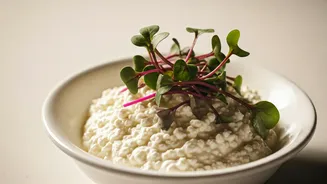
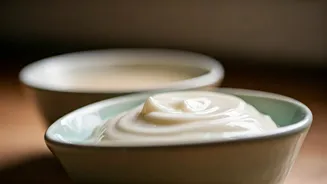
Curd (dahi), on the other hand, is India's most famous probiotic. A good quality, live-culture curd contains strains of Lactobacillus, a well-studied probiotic that aids digestion, helps prevent infections, and can ease symptoms of bloating and indigestion. When you make a simple 'soup' or drink by blending curd with water and spices, you're creating a delicious, easily digestible vehicle for these beneficial microbes.
How They Boost Your Digestion
The connection to better digestion is clear. A healthy gut is defined by a diverse and balanced population of microorganisms, known as the gut microbiome. Modern diets, stress, and antibiotics can disrupt this balance, leading to issues like bloating, gas, acidity, and irregular bowel movements. Incorporating fermented rice water and curd soups helps repopulate your gut with beneficial bacteria. These probiotics line your digestive tract and help break down food more efficiently, improve nutrient absorption, and prevent harmful bacteria from taking over. Think of it as tending to a garden; these foods provide the seeds and nourishment for a healthy internal ecosystem to flourish.
An Accessible Wellness Solution
Perhaps the most appealing aspect of this trend is its simplicity and accessibility. In a wellness market flooded with expensive powders, exotic supplements, and complicated regimes, this approach goes back to basics. It uses humble, everyday ingredients found in nearly every Indian kitchen. There’s no need for special equipment or costly products. It’s a sustainable, affordable, and natural way to support your digestive health. By embracing these traditional preparations, you're not just following a trend; you're connecting with a culinary heritage that has prioritized gut health for generations.