


From Family Kitchens to Viral Reels
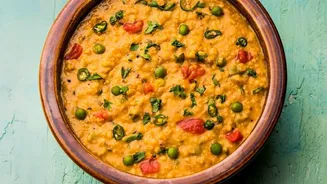
For generations, the arrival of the monsoon has dictated the menu in Indian households. The craving for chai and pakoras is almost a national reflex. These aren't just meals; they are traditions, with recipes for everything from Maharashtrian kanda bhaji
to Bengali khichuri passed down through families. Today, however, these long-held culinary traditions are finding a vibrant new life online. Home chefs, armed with smartphones and family recipes, have become digital storytellers. They are using platforms like Instagram and YouTube to document and share the regional specialties that define an Indian rainy day, and in doing so, are preserving a rich culinary heritage for a generation more accustomed to swiping than to slow-cooking.
A Menu for a Rainy Day
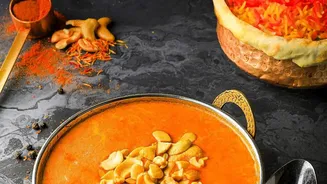
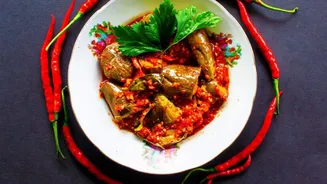
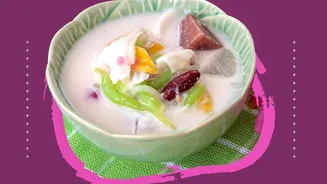
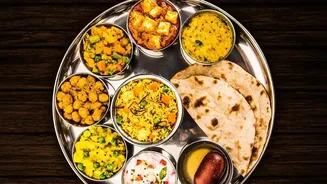
The digital monsoon menu is diverse and deeply regional. While classics like samosas, roasted corn (bhutta), and various pakoras remain stars, home chefs are digging deeper into their local repertoires. Viewers are being introduced to lesser-known gems that go far beyond the usual suspects. A scroll through social media might reveal a tutorial for Parippu Vada from Kerala, crispy lentil fritters perfect for a downpour. Elsewhere, you might find a recipe for Sindhi Kadhi, a comforting tamarind-based curry loaded with vegetables, presented by a creator who explains its household significance. From the Pithla Bhakri of Maharashtra to the Dal Baati Churma of Rajasthan, these chefs are creating a digital map of India's monsoon comfort foods, showcasing how every region celebrates the season differently.
More Than Just a Recipe
What makes these home chefs so compelling, especially to younger viewers, is their authenticity. This isn't about polished, restaurant-style cooking. It's about real food from real kitchens. The most successful creators blend culinary instruction with personal stories, memories, and cultural context. A video about a specific dish is often a window into a family's history or a community's traditions. This narrative approach transforms a simple recipe into an experience. By sharing the 'why' behind a dish—why it's eaten during the monsoon, what makes it special, or the memory it evokes—these chefs build a genuine connection with their audience, turning viewers into a community.
Why Younger Generations Are Hooked
Gen Z's relationship with food is multifaceted; they crave authenticity, are open to experimentation, and are heavily influenced by social media. The home chef trend caters perfectly to these sensibilities. Short-form videos on platforms like Instagram Reels offer quick, visually engaging content that is easy to consume. For young Indians, many of whom may live away from home or feel disconnected from their culinary roots, these creators offer a bridge to their heritage. They are discovering that regional food is not just 'old people food' but a vibrant and diverse world of flavour. This digital exposure is driving a broader curiosity, encouraging young people to look beyond generic Indian food and explore the specific cuisines of states like Nagaland, Karnataka, or Himachal Pradesh.