





The Magic of Post-Monsoon Travel
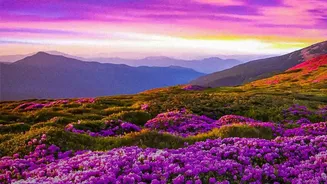
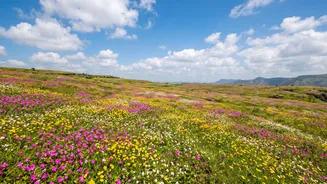
For a few precious weeks each year, the region around Satara undergoes a magical transformation. The highlight is the Kaas Plateau, a UNESCO World Heritage site, which sheds its rocky exterior for a fleeting, vibrant carpet of wildflowers. This natural
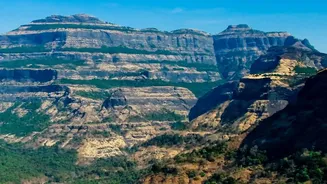
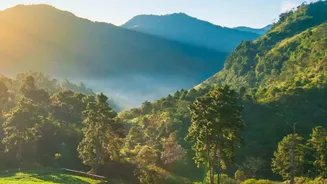
spectacle, often called Maharashtra's Valley of Flowers, makes the post-monsoon period from late August to early October the absolute best time for a visit. The air is fresh, the hills are cloaked in a thousand shades of green, and the waterfalls are still gushing with monsoon-fed intensity, offering a sensory feast for nature lovers and photographers alike. The flowering peaks in September, making it the ideal window for this road trip.
Planning Your Route
The journey to Satara is as scenic as the destination itself, easily accessible from both Mumbai and Pune. From Mumbai, the drive is approximately 260-280 kilometres and takes about five to six hours via the smooth Mumbai-Pune Expressway and then NH48. An early start is recommended to bypass city traffic and enjoy the beautiful stretches of the Western Ghats in daylight. From Pune, the trip is much shorter, around 130 kilometres, typically taking about three hours. While Satara is well-connected by train and bus, a car offers the flexibility to explore the surrounding attractions at your own pace, turning a simple visit into a comprehensive road trip adventure.
The Star Attraction: Kaas Plateau
Kaas Plateau, or Kaas Pathar, is home to over 850 species of flowering plants, many of which are endemic and rare. The flowers bloom in waves, so the plateau's colour palette can change weekly. Early in the season, you might find carpets of purple balsams and yellow Smithia flowers, while later blooms bring different hues to the landscape. The area is an eco-sensitive zone, and visitor numbers are capped daily to protect the fragile ecosystem, so booking your entry slot online in advance is essential. Designated walking trails allow visitors to get close to the flowers without causing damage, ensuring the preservation of this natural wonder for years to come. Don't miss a short walk to the serene Kaas Lake nearby, which offers a peaceful retreat amidst the floral beauty.
Beyond the Blooms: Exploring Satara
While Kaas is the main draw, the region around Satara is dotted with other must-visit spots that are especially stunning after the rains. Just a short drive from the plateau are the majestic Thoseghar Waterfalls, a series of cascades that are at their most powerful during and right after the monsoon. For a dose of history and panoramic views, head to the Sajjangad Fort, the final resting place of Sant Ramdas. Another worthy detour is Bamnoli, a quiet village on the serene backwaters of the Koyna River, where you can enjoy a peaceful boat ride. For those with more time, the towering Vajrai Waterfall and the sprawling Chalkewadi windmill farms offer further opportunities for exploration and photography.
Essential Tips for Your Trip
Timing is everything. Aim for mid-September to early October for the best chance to see the flowers in full bloom, but always check for current updates as the season can vary based on rainfall. Since this is a popular time, book your accommodation in Satara well in advance, especially for weekend travel. When visiting the plateau, wear comfortable walking shoes suitable for uneven terrain. Carry a light jacket or rainwear, as the weather can be unpredictable. Remember to stay on the designated paths to protect the delicate flora. Finally, pack your camera and a portable battery pack, because from the misty hills to the colourful blossoms, you will find endless moments worth capturing.