



The Direct Link: Crude to Your Commute
It all starts with crude oil, the raw material for both Aviation Turbine Fuel (ATF) used in aircraft and the petrol and diesel that power our cars, buses, and trucks. When the price of Brent crude—the international benchmark—goes up, the cost for Indian
oil marketing companies to import and refine this oil also rises. This increase is passed down the chain, forming the base price of the fuel you buy. Since 2017, India has followed a 'daily pricing' mechanism, meaning retail fuel prices can change every day based on a 15-day rolling average of international rates and currency exchange movements. This system makes the link between global volatility and local pump prices incredibly direct.
Aviation: Flying Through Financial Turbulence
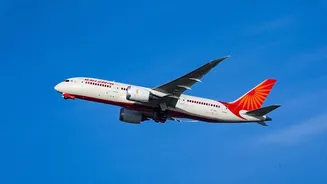
For Indian airlines, fuel is the single largest operating expense. ATF can account for anywhere between 30% and 50% of an airline's total costs, and sometimes even more during periods of extreme price volatility. When ATF prices surge, airlines are caught in a difficult position. They can either absorb the increased cost, which eats into their already thin profit margins, or pass the burden onto passengers through higher ticket prices. A sustained period of high fuel costs often leads to fare hikes of 15-25% on major routes. In more severe cases, airlines may be forced to reduce flight frequencies on less profitable routes or even ground parts of their fleet to cut losses, threatening connectivity and convenience for travellers.
On the Road: The Double Impact of Costlier Fuel
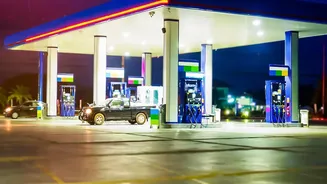
For road travel, the impact is twofold. First, private vehicle owners feel the immediate pinch at the petrol pump. Every rupee increase per litre adds up, making daily commutes and long-distance drives more expensive. Second, and more broadly, is the effect on public transport and logistics. Higher diesel prices directly increase the operating costs for trucking fleets, which transport everything from fresh produce to consumer goods across the country. These higher transportation costs are inevitably passed on to consumers in the form of more expensive goods and services, contributing to overall inflation. Bus operators also face pressure to increase ticket fares, making public transport more costly for millions.
The Government’s Tightrope Walk
When fuel prices spike, all eyes turn to the government for relief. The primary tool at its disposal is to cut taxes. Central excise duty and state-level Value Added Tax (VAT) make up a significant portion of the retail price of petrol and diesel, sometimes accounting for over half the total cost. However, reducing these taxes presents a major dilemma. While it provides immediate relief to consumers, it also strains government finances by reducing a crucial source of revenue. Policymakers must perform a difficult balancing act: cushioning the public from price shocks without compromising the country's fiscal health. Recently, the government has also explored price stabilisation mechanisms for ATF to give airlines more cost predictability.