






The Science of Staying Cool
High humidity is uncomfortable because it prevents your sweat from evaporating, which is your body's natural cooling system. When moisture lingers on your skin, you feel sticky and overheated. The best fabrics for this climate work by allowing air to
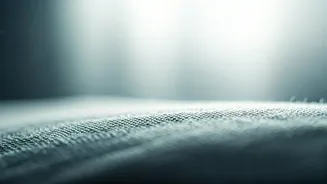
circulate and by managing moisture effectively. Breathability, which is determined by a fabric's fibre structure and weave, is crucial. It allows air to pass through, reducing heat buildup. Additionally, a fabric's ability to either absorb moisture or wick it away from the skin helps you stay dry and comfortable.
Linen: The Undisputed Champion
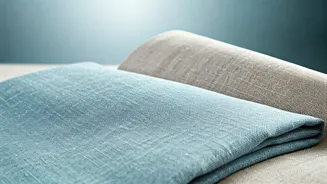
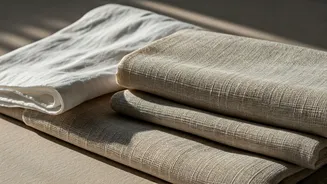
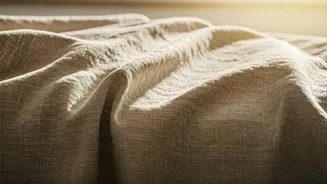
Linen is widely considered the gold standard for hot, humid weather. Made from the flax plant's hollow fibres, it has a naturally loose weave that allows for exceptional airflow, keeping you cool. Linen can absorb a significant amount of moisture—up to 20% of its own weight—before it even starts to feel damp, and it releases that moisture quickly. This rapid drying prevents the sticky, clinging sensation common with other fabrics. While its tendency to wrinkle is well-known, that relaxed look is part of its charm for casual wear. For a less wrinkled appearance, linen-cotton blends are a great alternative.
Cotton: The Versatile Classic
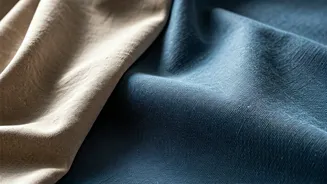
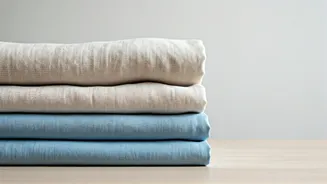
Cotton is a soft, breathable, and widely available natural fibre, making it a go-to for warm weather. However, not all cotton is created equal. The weave of the fabric is just as important as the fibre itself. Lightweight varieties like cotton voile, chambray, and muslin are excellent for humidity because their open weave allows for better airflow. On the other hand, heavy, dense cotton like thick jersey can absorb sweat but dries very slowly, leaving you feeling damp and heavy. For superior performance, look for Pima cotton, which has longer fibres that create a softer, more breathable fabric.
Rayon and Lyocell (Tencel): The Silky Performers
Rayon and its modern cousin, Lyocell (often sold under the brand name Tencel), are semi-synthetic fabrics made from regenerated cellulose, typically from wood pulp. They are prized for being extremely lightweight with a smooth, silky feel that is cool to the touch. These fabrics are highly breathable and excellent at moisture management. Tencel, in particular, can absorb up to 50% more moisture than cotton and releases it efficiently, keeping your skin dry. This makes it an exceptional choice for humid climates, offering a comfortable drape without trapping heat.
Fabrics to Avoid in Humidity
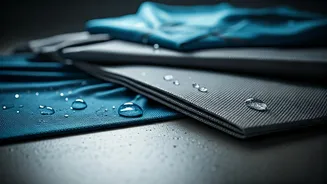
Just as important as knowing what to wear is knowing what to avoid. Heavy, non-breathable fabrics will trap heat and moisture, making you feel much hotter. Steer clear of polyester and nylon unless they are specifically designed as performance wear with moisture-wicking properties. In general, these synthetic fabrics lack breathability and can cause sweat to build up against your skin, leading to discomfort and odor. Heavy denim and thick, fuzzy fabrics like fleece and velvet should also be reserved for cooler, drier days.