






Your Gut: An Inner Ecosystem
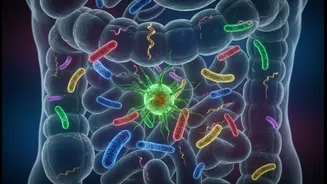
Before diving into sweeteners, it’s important to understand what’s happening inside your digestive system. Your gut is home to a bustling community of trillions of microorganisms, including bacteria, viruses, and fungi, collectively known as the gut microbiome.
This inner world isn't just about digestion; it plays a critical role in your overall health. A balanced and diverse microbiome helps regulate your immune system, influences your mood, and is essential for breaking down food and absorbing the nutrients your body needs to create energy. When this delicate balance is thrown off—a state called dysbiosis—it can have ripple effects throughout the body, with one of the most commonly reported symptoms being persistent fatigue.
How Sweeteners Enter the Picture
Artificial sweeteners, also called non-nutritive sweeteners (NNS), are sugar substitutes that provide intense sweetness with few to no calories. Common examples include aspartame, sucralose, and saccharin, found in countless products from diet sodas to sugar-free yoghurts. For a long time, they were considered 'metabolically inert,' meaning they were thought to pass through the body without being broken down or causing a reaction. However, because many sweeteners are not fully absorbed, they travel to the lower gastrointestinal tract, where they come into direct contact with your gut microbiome. This is where the interaction begins, and where scientists are now focusing their attention.
A Shift in the Microbial Population
A growing body of research, much of it from laboratory and animal studies, shows that non-nutritive sweeteners can directly alter the composition of the gut microbiome. Studies have shown that sweeteners like sucralose and saccharin can inhibit the growth of beneficial bacteria, such as Lactobacillus and Bifidobacterium, while potentially allowing more harmful strains to flourish. This shift can reduce the overall diversity of your gut ecosystem. A recent and extensive lab study from the University of Cambridge tested 39 common sweeteners and found that about three-quarters of them altered the growth of at least one species of gut bacteria. These findings suggest sweeteners are not as passive as once believed.
The Connection to Energy and Fatigue
So, how does a change in gut bacteria translate to feeling tired? The link is multifaceted. Firstly, an imbalanced microbiome can impair your body's ability to absorb essential energy-producing nutrients like B vitamins and iron from your food. Secondly, gut dysbiosis can lead to a 'leaky gut,' where the intestinal lining becomes more permeable, allowing bacterial components to enter the bloodstream. This can trigger a low-grade, body-wide inflammatory response. This constant state of internal stress is a major energy drain and is strongly associated with feelings of fatigue, brain fog, and malaise, even if you're getting enough sleep. Some studies have also directly linked fatigue in otherwise healthy people to specific shifts in gut bacteria that mirror patterns seen in chronic fatigue syndrome.
What Should You Do?
The science on sweeteners and gut health is still evolving, and results in humans have been mixed, with effects often depending on the type of sweetener, the dose, and the individual's own unique microbiome. For most healthy people, occasional use of artificial sweeteners is unlikely to cause significant harm. However, if you rely on them heavily or experience chronic fatigue and digestive issues, it might be worth considering their role in your diet. Experts suggest that stevia-based sweeteners may be a gentler option for the microbiome. Ultimately, focusing on a diet rich in whole foods, fiber, and fermented products like yogurt and kefir is a proven strategy to support a diverse and resilient gut, which is your best foundation for sustained energy.