



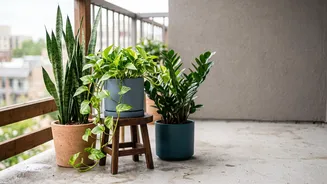
The Shift to Smarter Greenery
For years, the go-to for many aspiring balcony gardeners was often whatever was trendy or exotic. However, city dwellers are now facing a hard truth: many of those delicate imports struggle in our climate. The result is often a cycle of wilting plants
and waning enthusiasm. Today, a practical shift is underway, driven by busy lifestyles, water scarcity concerns, and a growing desire for sustainable living. Gardeners are moving away from high-maintenance choices and embracing plants that are naturally suited to our environment. This isn't about giving up on a beautiful garden; it's about choosing plants that want to be here, making the entire experience more rewarding and less of a chore.
Why Native Plants Reign Supreme
Choosing native plants is perhaps the most significant change a balcony gardener can make. These species have evolved over thousands of years to thrive in your specific region's soil, rainfall, and temperature fluctuations. Because they are already adapted, they require significantly less water, a crucial benefit in cities with water constraints. Furthermore, native plants are naturally resistant to local pests and diseases, which drastically reduces the need for chemical pesticides. By planting indigenous species like Tulsi, Hibiscus, or Marigold, you are not just adding beauty; you are creating a tiny, supportive ecosystem. These plants provide essential food and shelter for local wildlife, such as butterflies, bees, and birds, helping to boost urban biodiversity.
The Low-Maintenance Advantage
The phrase 'low-maintenance' is music to the ears of any busy professional or gardening novice. Plants that fall into this category are resilient and forgiving, making them perfect for the realities of city life. They tolerate occasional neglect and irregular watering schedules without protest. This advantage means you can enjoy the mental wellness benefits of gardening—like reduced stress and an improved mood—without the pressure of a demanding routine. A low-maintenance balcony garden is one that works with your life, not against it. It ensures that your green space remains a source of joy and relaxation, offering a higher success rate for beginners and ensuring the hobby sticks.
Top Plants for Your City Balcony
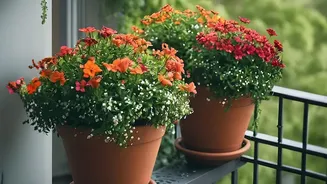
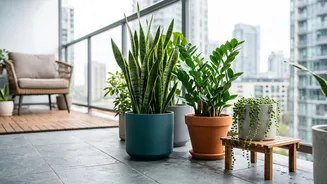
Ready to get started? Here are some fantastic native and low-maintenance plants that are perfect for Indian city balconies: Tulsi (Holy Basil): A culturally significant and incredibly hardy herb. It thrives in sunlight, requires moderate watering, and is known for its pest-repellent properties. Bougainvillea: For a burst of vibrant colour, nothing beats Bougainvillea. It is famously drought-tolerant and loves the sun, making it ideal for hot, exposed balconies. Marigold (Genda): Cheerful, easy to grow from seed, and a staple in Indian culture. Marigolds are sun-loving and help deter pests, making them a great companion plant. Snake Plant: If you fear you have a 'black thumb', this is the plant for you. It's almost indestructible, tolerates low light and infrequent watering, and is an excellent air purifier. Aloe Vera: A useful and hardy succulent that thrives on neglect. It needs plenty of sun and very little water, perfectly suited for a sunny, dry spot on your balcony. Curry Leaf Plant (Kadi Patta): Grow your own fresh curry leaves! This fragrant plant loves sunlight and moderate watering and is a must-have for any Indian kitchen garden.
A Few Simple Starting Tips
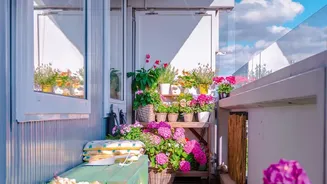
Transforming your balcony doesn't need to be overwhelming. Start small with one or two plants. Before you buy, observe your balcony to see how many hours of direct sunlight it gets and choose your plants accordingly. Most vegetables and flowering plants need at least four to six hours of sun. Ensure your pots have drainage holes at the bottom to prevent waterlogging, which is a common cause of plant failure. Instead of using heavy garden soil, which compacts in pots, opt for a lighter, well-draining potting mix. Finally, get into the habit of checking the soil's moisture with your finger before watering. More plants are lost to overwatering than underwatering.