








Understanding the Inflation Spike
India's retail inflation, measured by the Consumer Price Index (CPI), climbed to 5.54% in September 2026, a significant jump from the previous month. The main driver behind this increase is the sharp rise in food prices. The Consumer Food Price Index (CFPI)
registered an even more concerning increase, hitting 7.74% in September. This trend is putting renewed pressure on household budgets, especially in urban areas where families depend almost entirely on retail markets for their daily needs. The inflation rate was notably higher in rural areas (8.06%) compared to urban centres (7.18%), but the absolute cost pressures remain a significant challenge for city dwellers.
What's Driving Up Your Grocery Bill?
A closer look at the data reveals specific items are responsible for the surge in kitchen expenses. Onion prices have seen a dramatic year-on-year inflation of over 100%. Other staples like ginger, garlic, and lemons have also become significantly more expensive. According to government price monitoring, 41 out of 42 essential commodities saw a price increase over the last year. This broad-based rise means that it's not just one or two items affecting your budget, but a wider range of daily necessities, from vegetables and pulses to spices and edible oils. The only notable exception in the food basket was potatoes, which saw a price decline.
The Bigger Economic Picture
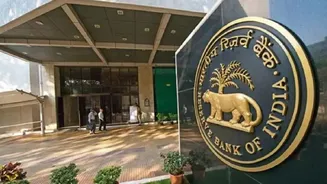
Several factors are contributing to this inflationary pressure. A weaker-than-average monsoon and the looming threat of El Niño could impact future crop production, potentially keeping supplies tight and prices high. Global geopolitical tensions can also disrupt supply chains and increase the cost of energy and fertilisers, which in turn affects food transportation and production costs. While the Reserve Bank of India (RBI) has revised its inflation forecast for the financial year to 5.2%, it projects that price pressures will persist, especially in the coming months. Despite these challenges, the Indian economy shows resilience, with strong GDP growth projected at around 7.1% for the year.
Smart Strategies to Manage Kitchen Costs
While you can't control inflation, you can adapt your spending habits to soften the blow. Meal planning is one of the most effective tools; creating a weekly menu and a strict shopping list helps prevent impulse purchases. Prioritise buying seasonal fruits and vegetables from local markets, as they are typically fresher and more affordable. Consider purchasing non-perishable staples like dals and rice in bulk from wholesale stores to get a better per-unit price. Many households are already adapting by chasing offers, switching to cheaper store brands, or even growing some of their own food. Another simple but effective strategy is to reduce food waste by using what you already have in your pantry before buying more.
The Rise of 'Sachet' Economics
The financial strain is also changing consumer behaviour in notable ways. There is a growing preference for smaller, low-priced packs of everyday consumer goods. Instead of buying larger, family-sized products, many are opting for single-use sachets or small packs priced at ₹5 and ₹10. This allows households to manage their monthly cash flow more effectively by purchasing essentials in smaller quantities as needed, even if the per-unit cost is sometimes higher. This trend highlights the immediate budget constraints that families are facing and their creative ways of navigating a high-cost environment.